
Enterprise Software (SaaS) • 1 day ago • Jessica Mahone
Enterprise software has traditionally been designed around a simple objective: digitize business processes. Customer records moved into CRM platforms. Invoices migrated into finance systems. Employee information shifted into HR applications. Projects found homes inside collaboration software.
The transition from paper-based operations to cloud platforms dramatically improved productivity, but it also introduced a new challenge. Most enterprise SaaS applications manage workflows without truly understanding them.
They execute predefined sequences, assign tasks, send notifications, and automate approvals, yet they rarely analyze whether the workflow itself remains the best possible way to achieve business objectives.
As organizations grow more complex, inefficient processes become embedded inside sophisticated software ecosystems.
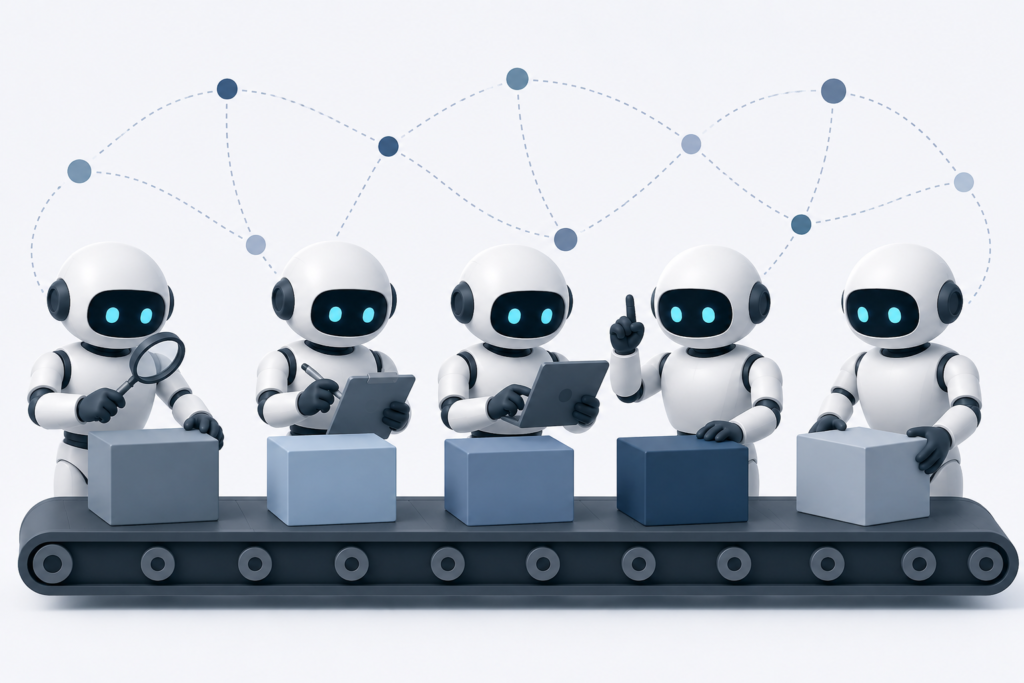
This is creating demand for an entirely new software capability known as Enterprise Workflow Intelligence. Rather than simply automating business processes, workflow intelligence continuously observes operational patterns, identifies friction points, predicts inefficiencies, and recommends—or even implements—better ways of working. For B2B organizations pursuing operational excellence, this emerging architectural layer could become one of the most valuable components of enterprise software.
What Is Enterprise Workflow Intelligence?
Enterprise Workflow Intelligence is an intelligent software capability that continuously analyzes business processes across multiple SaaS platforms to understand how work actually flows through an organization. Instead of relying solely on predefined workflow diagrams, the system studies operational behavior in real time.
It identifies bottlenecks, unnecessary approvals, duplicate activities, delays, resource constraints, and repetitive patterns. The result is a living model of enterprise operations that evolves alongside the business. Workflows become adaptive rather than static.
Why Traditional Workflow Automation Has Reached Its Limits
Workflow automation has transformed enterprise productivity. However, most automation platforms simply accelerate existing processes. If an inefficient workflow is automated, it often becomes an inefficient workflow executed faster.
Organizations rarely revisit the structure of long-established business processes because changing them can be disruptive. Over time, legacy approvals, redundant validations, and unnecessary handoffs accumulate. The software faithfully executes outdated logic without questioning whether the process still delivers value. Workflow intelligence introduces continuous optimization instead of permanent configuration.
From Process Execution to Process Understanding
Conventional SaaS platforms answer one question: What should happen next?
Workflow intelligence answers a more strategic question: Should this happen at all?
The platform examines operational history across departments and identifies opportunities to simplify business activities. Multiple approval steps may become unnecessary. Tasks performed by different teams may overlap. Sequential activities may execute more efficiently in parallel. Business operations evolve based on evidence rather than assumptions.
Building a Connected Enterprise Process Graph
Enterprise workflows rarely exist inside a single application. A customer onboarding journey may involve CRM software, contract management, finance systems, identity management, collaboration tools, procurement platforms, and customer support applications. Workflow intelligence connects these interactions into a unified operational graph.
Instead of isolated processes, organizations gain visibility into complete business journeys. Leaders understand how decisions made in one department influence performance across the enterprise. Operational optimization becomes systemic rather than departmental.
Artificial Intelligence as a Process Advisor
Artificial intelligence is increasingly integrated into enterprise software, but its greatest long-term value may lie in process optimization rather than content generation. Workflow intelligence provides AI with operational context. The platform can recommend:
- Removing redundant approvals
- Reordering process steps
- Consolidating repetitive tasks
- Predicting workflow delays
- Balancing workloads across teams
- Optimizing resource allocation
- Improving service delivery paths
- Reducing manual interventions
- Identifying automation opportunities
- Enhancing cross-functional collaboration
AI becomes a continuous process consultant operating alongside every business function.
Measuring Business Friction Instead of Activity
Traditional enterprise dashboards emphasize productivity metrics such as completed tasks or transaction volumes. Workflow intelligence focuses on friction.
Where do approvals stall? Which departments create delays? Which activities add minimal business value? Which handoffs increase operational risk?
Understanding friction allows organizations to improve process quality instead of simply increasing process speed. This shift fundamentally changes how enterprise performance is evaluated.
Creating Self-Improving SaaS Ecosystems
One of the most powerful characteristics of workflow intelligence is continuous learning. Every completed workflow contributes new operational knowledge. The system refines optimization models based on actual business outcomes. Successful process improvements become reusable across departments. The enterprise gradually develops software ecosystems capable of improving themselves through accumulated operational experience. Optimization becomes continuous rather than project-based.
Reducing Enterprise Complexity
Business complexity grows naturally as organizations expand. New products introduce additional approvals. Acquisitions create duplicate processes. Regional operations develop local variations. Technology landscapes become increasingly fragmented. Workflow intelligence identifies complexity that no longer serves strategic objectives. Processes become leaner without sacrificing governance or compliance. Operational simplicity becomes a measurable competitive advantage.
Improving Employee and Customer Experience
Employees often experience frustration when navigating fragmented workflows. Customers encounter delays caused by internal inefficiencies they cannot see. Workflow intelligence improves both experiences simultaneously.
Simplified internal operations enable faster customer responses, smoother onboarding, quicker issue resolution, and more consistent service delivery. Employees spend less time coordinating processes and more time creating value. Customers experience organizations that appear faster, more connected, and more reliable.
The Future of Enterprise SaaS
The next generation of enterprise software will not compete solely through features or automation capabilities. It will compete through intelligence. Applications will increasingly understand how work moves across organizations and actively improve those processes over time. Enterprise Workflow Intelligence represents a shift from workflow management to workflow evolution. Rather than executing yesterday’s processes, software will help organizations design better processes every day.
As digital transformation continues to mature, enterprises that embrace workflow intelligence will operate with greater agility, lower operational cost, stronger collaboration, and faster innovation. The future of SaaS is not simply software that automates work. It is software that continuously discovers better ways for work to happen.