
Cybersecurity • 12 days ago • Jessica Mahon
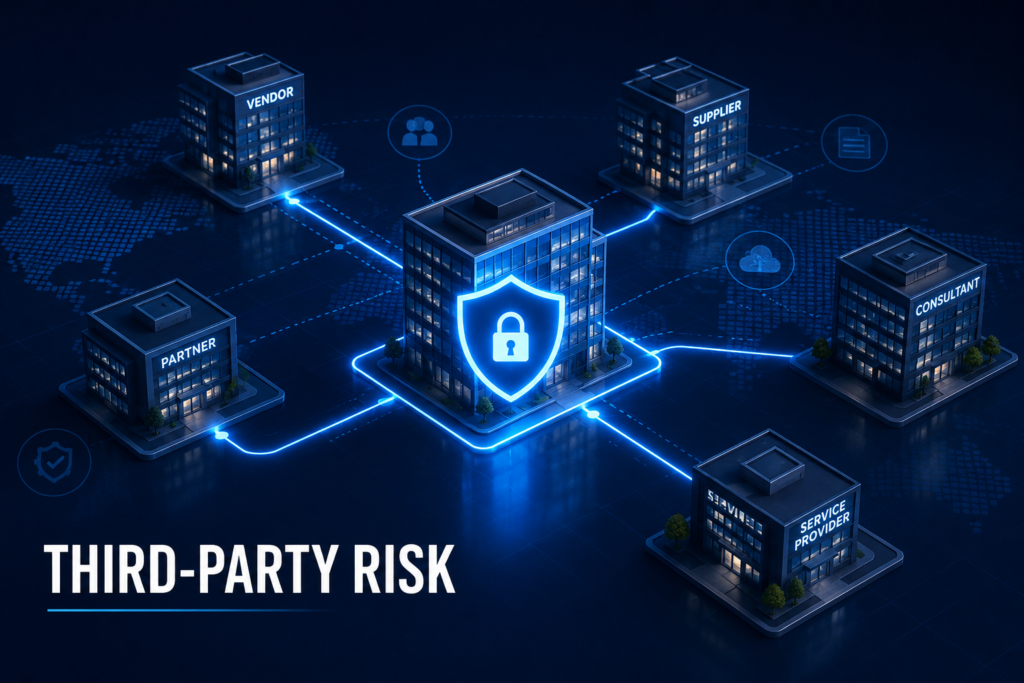
In the modern business ecosystem, organizations rarely operate alone. Vendors, suppliers, contractors, consultants, managed service providers, cloud partners, and software platforms all require some level of access to corporate systems and data. This interconnected environment has accelerated innovation and efficiency, but it has also created one of the most underestimated cybersecurity risks in the B2B landscape: third-party access.
Many organizations invest heavily in protecting their internal networks while overlooking the reality that external partners often possess the same level of access as employees. Cybercriminals have recognized this weakness. Rather than attacking a well-defended target directly, they increasingly look for vulnerabilities within the broader business ecosystem.
The result is a growing third-party access crisis that is reshaping how organizations think about cybersecurity, trust, and digital resilience.
Why Third-Party Risk Is Different
Traditional cybersecurity strategies focus on protecting internal assets. Firewalls, endpoint security tools, employee training, and identity management systems are all designed to reduce organizational risk. Third-party access introduces a different challenge. When a vendor connects to business systems, the organization loses a degree of visibility and control. Security teams may not know:
- How the vendor protects its systems
- Whether vendor employees follow security best practices
- How access credentials are stored
- What security tools are deployed
- How quickly incidents are detected and reported
A company may have world-class cybersecurity controls internally while unknowingly inheriting vulnerabilities from external partners. This makes third-party risk one of the most complex security challenges facing B2B organizations today.
The Hidden Expansion of the Attack Surface
Every external relationship expands the organization’s digital footprint. A marketing platform may access customer information. A payroll provider may handle employee records. A software vendor may maintain administrative access to production systems. A managed service provider may oversee critical infrastructure. Individually, these relationships appear manageable. Collectively, they create an extensive network of interconnected access points. Security leaders increasingly describe this as the “extended enterprise”—a reality where organizational boundaries are no longer clearly defined.
The challenge is that attackers only need one weak link. A single compromised vendor account can potentially provide access to systems that would otherwise be extremely difficult to penetrate.
Why Traditional Vendor Assessments Are No Longer Enough
Many organizations perform security assessments before onboarding a vendor. Questionnaires are completed, policies are reviewed, and compliance certifications are verified. While these steps remain important, they often create a false sense of security.
Cybersecurity is not static. A vendor that appears secure during onboarding may experience significant security changes later. New technologies, staffing changes, acquisitions, software deployments, or evolving threat landscapes can alter risk profiles rapidly. Common weaknesses include:
- Excessive permissions
- Dormant accounts
- Shared credentials
- Lack of multi-factor authentication
- Poor access monitoring
- Infrequent security reviews
Risk assessments conducted once a year are often insufficient in an environment where threats evolve continuously.
The Rise of Identity-Based Attacks
One reason third-party risk has become such a hot topic is the growing focus on identity. Modern cybercriminals are increasingly targeting identities rather than networks. Instead of attempting to breach infrastructure directly, attackers seek legitimate credentials that provide authorized access.
Third-party users frequently become attractive targets because:
- They often possess elevated privileges
- Their accounts may receive less monitoring
- They may access multiple customer environments
- Security controls vary between organizations
Once attackers gain access to a trusted identity, they can operate with reduced suspicion and potentially move deeper into business systems. This shift has elevated identity security from a technical concern to a strategic business priority.
Building a Modern Third-Party Cybersecurity Strategy
Organizations can no longer treat vendor security as a procurement exercise. It must become an ongoing operational discipline. Effective strategies typically include continuous oversight rather than one-time assessments. Key practices include:
- Implementing least-privilege access policies
- Enforcing multi-factor authentication
- Continuously monitoring third-party activity
- Conducting regular access reviews
- Removing unused accounts promptly
- Segmenting vendor access from critical systems
- Establishing incident reporting requirements
The objective is not to eliminate third-party relationships but to manage them intelligently. Organizations that balance security with operational efficiency are often best positioned to reduce risk without slowing business growth.
Why Zero Trust Changes the Conversation
The emergence of Zero Trust security frameworks has significantly influenced how organizations approach third-party access. Rather than assuming trust based on network location or business relationships, Zero Trust requires continuous verification. This means every user, device, application, and connection must demonstrate legitimacy before access is granted.
For third-party users, this approach can dramatically reduce risk by ensuring that access is:
- Verified continuously
- Limited to specific resources
- Monitored in real time
- Revoked when no longer required
The focus shifts from trust to validation.
The Future of B2B Cybersecurity
As businesses become increasingly interconnected, third-party access will continue to expand. New technologies, cloud services, automation platforms, artificial intelligence solutions, and digital partnerships will create additional dependencies between organizations. This reality demands a new mindset. The strongest cybersecurity programs will not be defined solely by their internal defenses. They will be measured by how effectively they secure the broader ecosystem of partners, vendors, suppliers, and service providers that support business operations.
The future of B2B cybersecurity is no longer just about protecting your organization. It is about understanding and securing the network of relationships that make modern business possible. Organizations that embrace continuous visibility, identity-centric security, and proactive third-party risk management will be better equipped to navigate an increasingly connected digital landscape. In a world where trust can become a vulnerability, managing third-party access may prove to be one of the most important cybersecurity investments an organization can make.