
Advanced robotics and autonomous systems are rapidly moving from industrial assembly lines into everyday life. While early robotics focused on repetitive mechanical tasks within controlled factory environments, today’s systems integrate artificial intelligence, computer vision, sensor fusion, and machine learning to operate with greater autonomy and adaptability.
Modern robots are no longer confined to predictable environments. They are navigating warehouses, assisting in surgeries, delivering packages, and even exploring remote or hazardous terrains. This evolution represents a major shift from automation to autonomy.
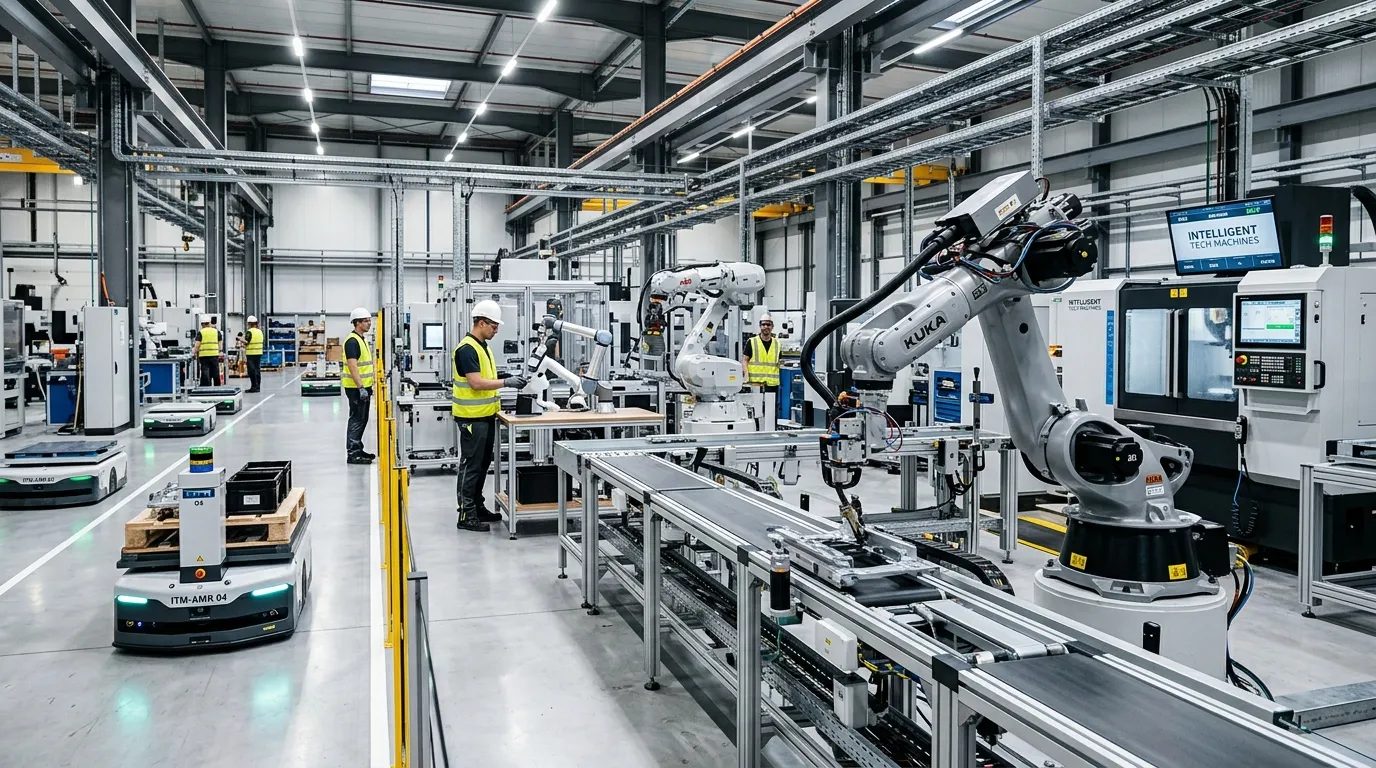
Industrial robotics remains a cornerstone of advanced manufacturing. Automotive factories have long relied on robotic arms for precision assembly. However, newer collaborative robots — often called “cobots” — are designed to work alongside humans safely. These systems use sensors to detect human presence and adjust movement accordingly, increasing productivity while maintaining safety.
Companies such as Boston Dynamics have pushed robotics into dynamic mobility, developing machines capable of navigating uneven terrain and performing complex physical tasks. These innovations open possibilities for disaster response, logistics, and defense applications.
Autonomous vehicles represent another high-profile frontier. Self-driving systems combine lidar, radar, cameras, and AI algorithms to interpret surroundings and make driving decisions in real time. While full autonomy is still under refinement, semi-autonomous systems are already integrated into consumer vehicles.
In healthcare, robotic systems assist surgeons with high-precision procedures. Robotics enhances minimally invasive surgery by increasing stability and accuracy. Meanwhile, AI-driven diagnostics improve medical imaging interpretation.
Warehouse automation is also accelerating. Autonomous mobile robots navigate distribution centers, transporting goods efficiently. These systems reduce manual labor strain and optimize order fulfillment speed.
Key components of advanced robotics systems include:
- Machine learning for decision-making
- Computer vision for object recognition
- Sensor fusion for environmental awareness
- Real-time processing capabilities
- Safety and control mechanisms
Cloud computing enhances robotic intelligence by enabling remote updates and large-scale data processing. Providers such as Amazon Web Services support robotics platforms with scalable infrastructure for simulation and analytics.
Despite rapid advancement, robotics faces challenges.
Ethical considerations emerge when machines make autonomous decisions. In transportation, decision-making algorithms must prioritize safety under uncertain conditions. Regulatory frameworks are still evolving to address liability and operational standards.
Technical limitations also remain. Fully autonomous navigation in unpredictable environments requires advanced perception and real-time adaptation. Edge computing is becoming increasingly important to reduce latency in time-sensitive tasks.
Workforce implications are significant. Automation may displace certain manual roles while creating demand for robotics engineers, AI specialists, and maintenance professionals. Reskilling initiatives are essential to manage this transition.
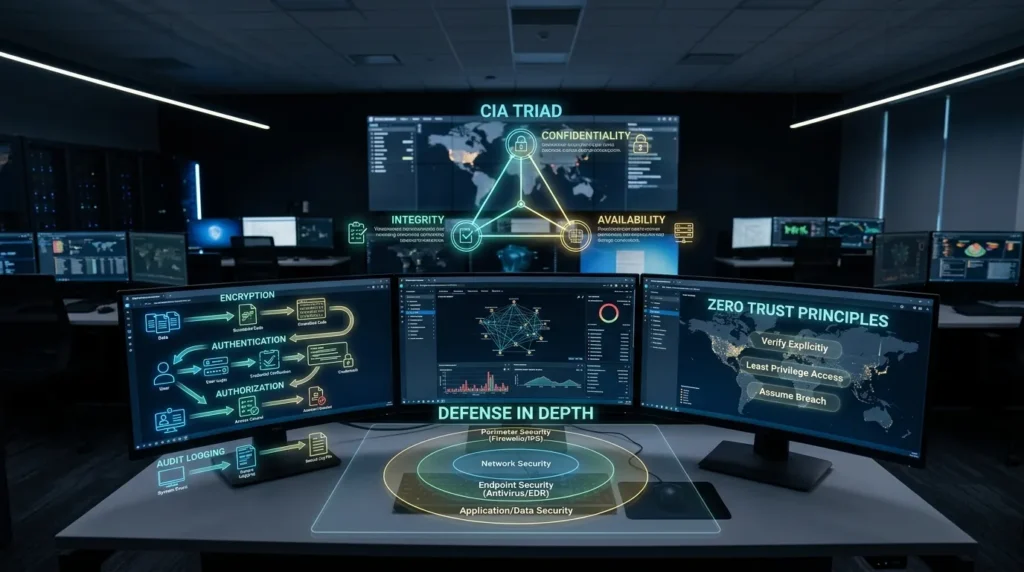
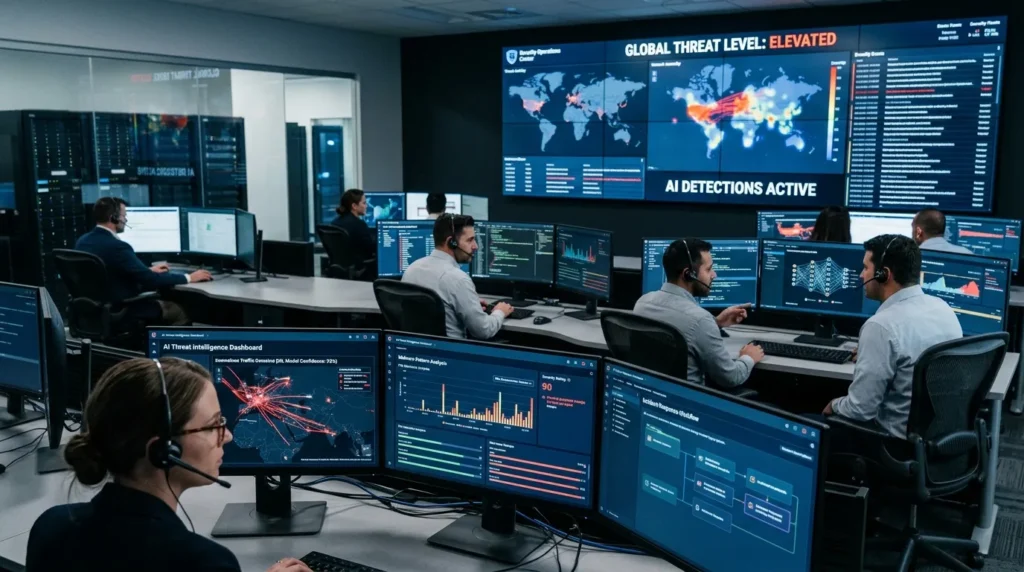
Security risks must also be addressed. Connected autonomous systems may become targets for cyberattacks. Strong encryption, monitoring, and secure firmware updates are critical safeguards.
The convergence of AI and robotics signals a future where machines operate with increasing independence. However, autonomy does not eliminate the need for human oversight. Hybrid models combining human judgment with machine precision will likely dominate near-term deployments.
Advanced robotics and autonomous systems represent a foundational component of deep tech innovation. Their ability to perform complex physical tasks in dynamic environments extends the reach of automation beyond traditional boundaries.
As research continues and hardware matures, intelligent machines will become more integrated into everyday infrastructure — reshaping industries and redefining how humans interact with technology.