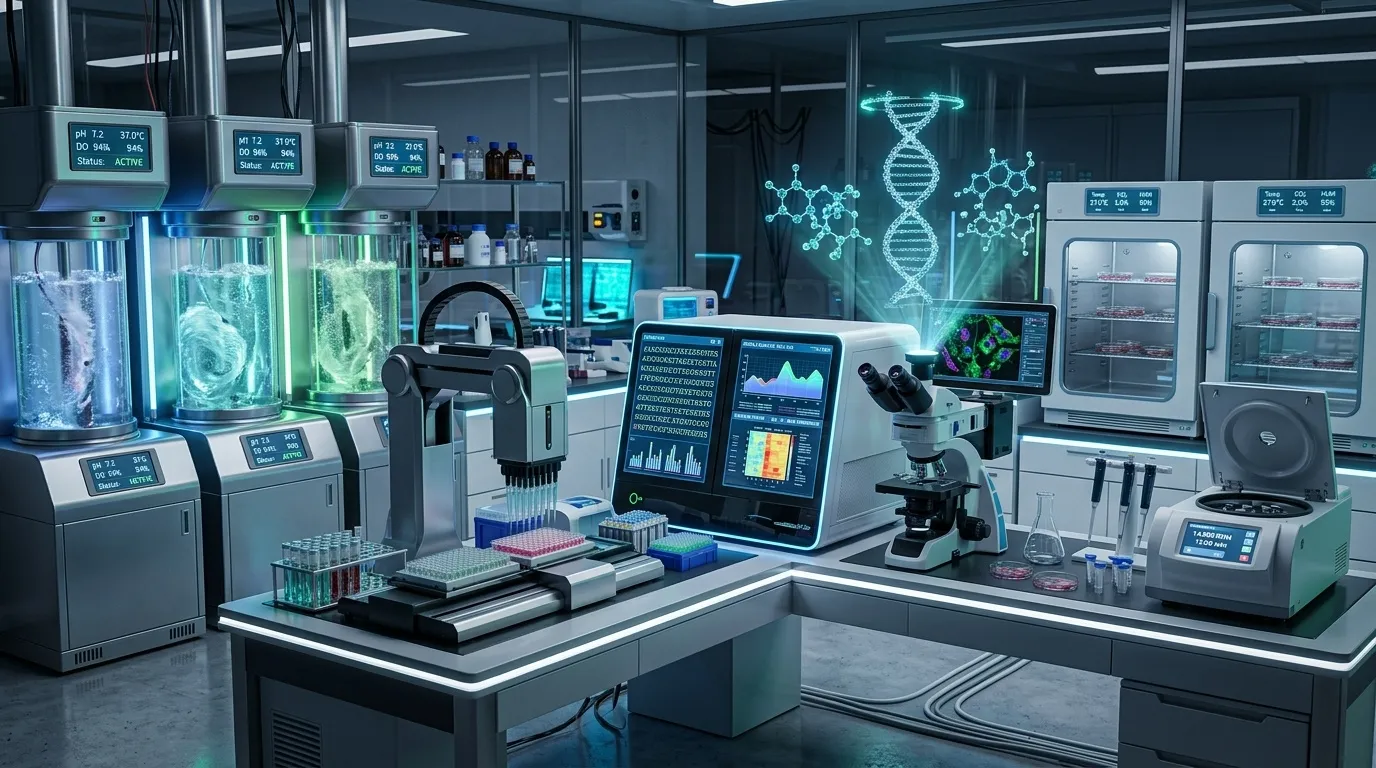

Biotechnology and synthetic biology represent some of the most profound and impactful domains within deep tech. Unlike digital technologies that manipulate data, biotechnology works directly with living systems — DNA, cells, and biological processes. Synthetic biology goes a step further by redesigning or engineering biological components to create new functions and capabilities.
At its core, biotechnology leverages biological processes to develop medical treatments, improve agriculture, and produce sustainable materials. Synthetic biology applies engineering principles to biology, enabling scientists to design organisms with specific characteristics.
One of the most transformative tools in biotechnology is gene editing. Technologies such as CRISPR allow researchers to modify DNA with unprecedented precision. This capability has significant implications for treating genetic disorders, developing disease-resistant crops, and advancing personalized medicine.
Pharmaceutical research has been revolutionized by biotechnology. Instead of relying solely on chemical synthesis, researchers now use biological pathways to produce targeted therapies. Personalized medicine tailors treatment plans based on an individual’s genetic profile, increasing effectiveness while reducing side effects.
Companies such as Moderna demonstrated the power of biotechnology during global health crises by rapidly developing mRNA-based vaccines. mRNA platforms represent a shift from traditional vaccine development toward programmable biological solutions.
Synthetic biology extends beyond healthcare. Researchers are engineering microorganisms to produce biofuels, biodegradable plastics, and sustainable chemicals. These innovations address environmental challenges by reducing dependence on fossil fuels.
Key areas of biotechnology innovation include:
- Gene editing and genome engineering
- mRNA-based therapies
- Personalized medicine
- Agricultural biotechnology
- Bio-manufacturing and sustainable materials
Despite its potential, biotechnology raises complex ethical and regulatory questions. Gene editing, particularly in human embryos, prompts debates about long-term societal impact. Regulatory oversight ensures safety and prevents misuse.
Data science increasingly intersects with biotechnology. Advanced computational models analyze genetic data at scale. AI-driven research accelerates drug discovery by predicting molecular interactions. Cloud platforms provide infrastructure for managing massive biological datasets.
Security concerns also arise in synthetic biology. Engineered organisms must be carefully controlled to prevent unintended environmental release. Biosafety protocols are critical in research laboratories.
Commercialization timelines in biotechnology are typically longer than in software industries. Clinical trials, regulatory approval, and manufacturing scale-up require significant time and capital investment. Venture capital and government funding often support early-stage research.
Workforce expertise in biotechnology combines biology, chemistry, engineering, and data science. Universities and research institutions play central roles in advancing knowledge and innovation.
Biotechnology’s impact extends beyond healthcare and agriculture. Synthetic biology may contribute to climate change mitigation through carbon capture technologies and alternative energy solutions.
The convergence of biotechnology with AI and advanced analytics accelerates discovery cycles. Instead of relying solely on laboratory experimentation, researchers simulate biological interactions digitally before conducting physical trials.
Ultimately, biotechnology and synthetic biology represent a deep integration of engineering and life sciences. Their ability to modify living systems responsibly could address some of humanity’s most pressing challenges — from disease to food security and environmental sustainability.
As research continues, ethical governance and responsible innovation will determine how these technologies shape the future.
Biotechnology is not just about understanding life — it is about redesigning it carefully and responsibly to improve global well-being. that may reshape industries as profoundly as the internet once did.