
Enterprise SaaS procurement processes have evolved significantly as cybersecurity risks and regulatory scrutiny increase. Security and compliance assessments are no longer secondary evaluations conducted late in the sales cycle; they are now core decision criteria that directly influence vendor selection.
As organizations move mission-critical workloads into cloud-based platforms, SaaS vendors must demonstrate robust data protection capabilities, mature governance frameworks, and compliance readiness.
Enterprise procurement teams typically require detailed security documentation before approving contracts. This includes:
- SOC 2 Type II audit reports
- Penetration testing summaries
- Encryption-at-rest and encryption-in-transit standards
- Data residency policies
- Incident response procedures
Multi-tenant SaaS architectures require strong logical data isolation to ensure that customer data remains segregated securely. Vendors must clearly document how tenant environments are separated within shared infrastructure.
Identity management integration has also become essential. Platforms such as Okta frequently integrate with enterprise SaaS ecosystems to provide Single Sign-On (SSO), multi-factor authentication (MFA), and identity lifecycle management.
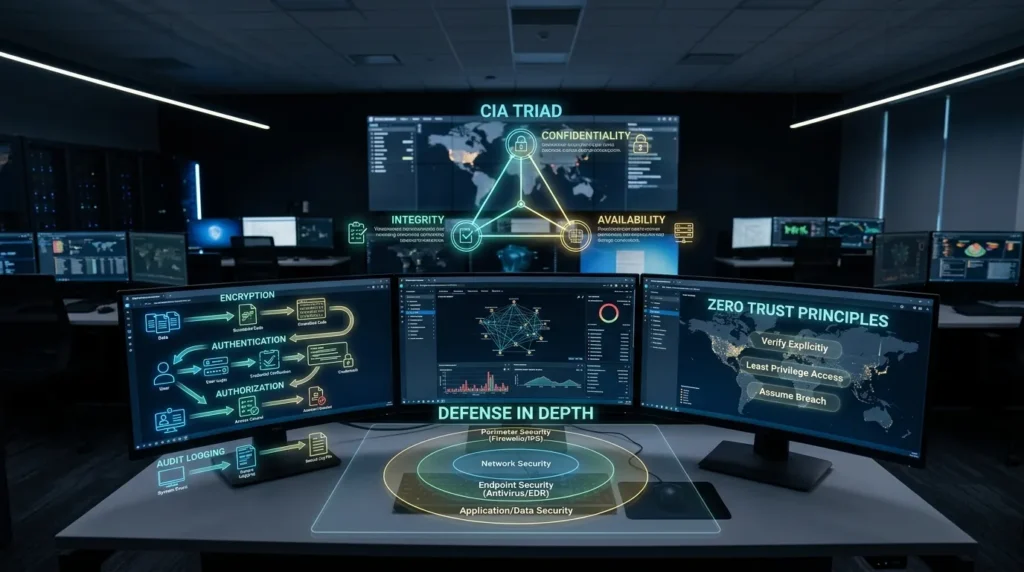
Zero Trust principles are increasingly applied to SaaS access models. Enterprises require granular role-based access controls and audit logs that track user activity comprehensively.
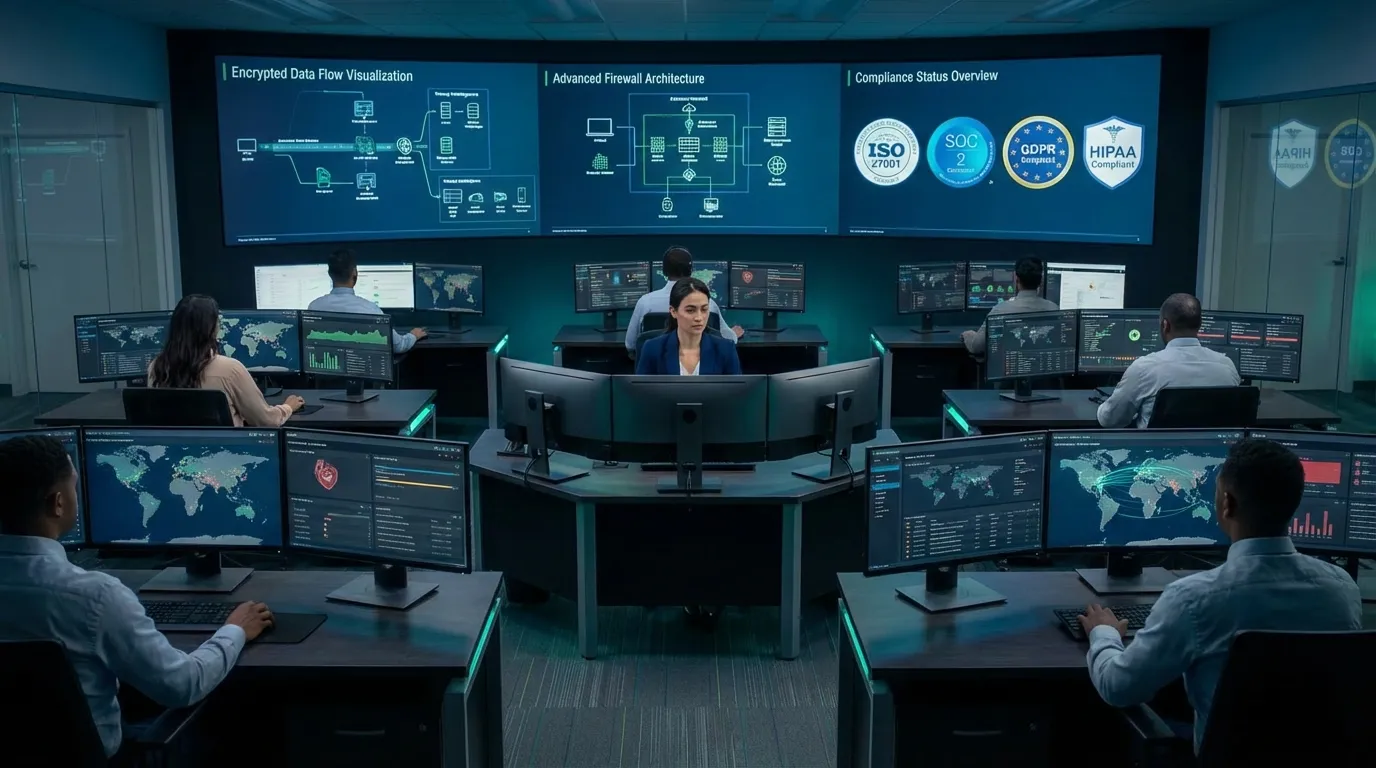
Regulatory compliance requirements further intensify scrutiny. Industries such as healthcare, financial services, and government contracting mandate adherence to specific frameworks.
SaaS vendors may need to demonstrate compliance with:
- GDPR data protection standards
- HIPAA safeguards (for healthcare platforms)
- Financial audit controls
- Industry-specific certifications
Platforms like Salesforce maintain extensive compliance documentation portals to support enterprise due diligence reviews.
Procurement cycles have lengthened as security questionnaires become more detailed. Security teams conduct independent evaluations and often require remediation plans for identified gaps before contract execution.
From the vendor perspective, maintaining compliance certifications has become a continuous investment. Audit readiness requires structured documentation, security monitoring tools, and ongoing vulnerability management programs.
Encryption practices are closely examined. Enterprises expect:
- AES-256 encryption for stored data
- TLS-based encryption for data transmission
- Customer-managed encryption key options
Data residency and sovereignty requirements also influence procurement decisions. Multinational enterprises often require data to remain within specific geographic regions.
Incident response transparency is another growing priority. Vendors must clearly define notification timelines and escalation procedures in the event of a breach.
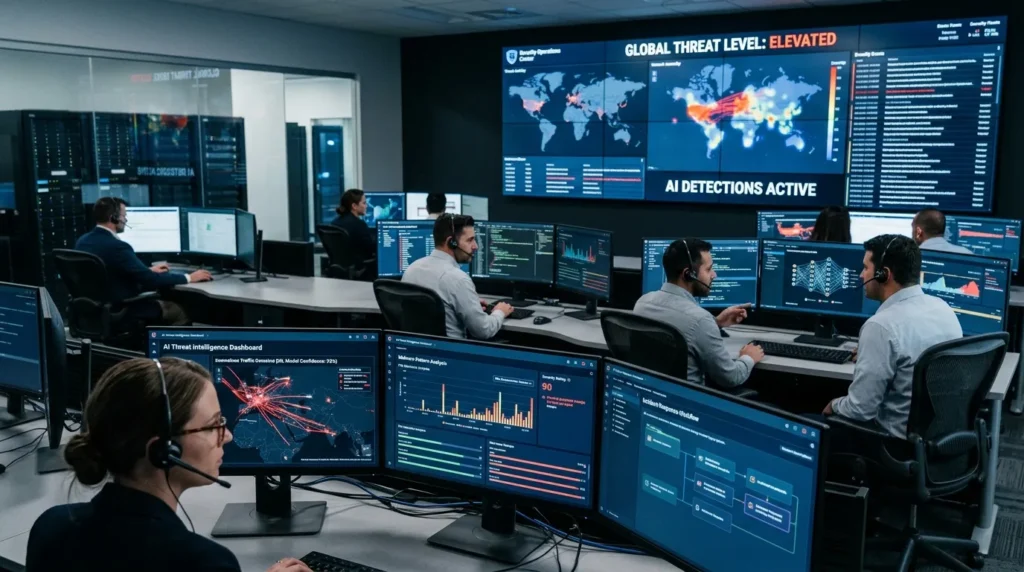
As SaaS platforms increasingly integrate artificial intelligence capabilities, enterprises are also assessing model security and data usage practices.
Security posture now directly impacts sales velocity. Vendors with proactive compliance documentation and mature governance processes gain competitive advantage during enterprise evaluations.
Ultimately, SaaS security due diligence reflects a broader shift: enterprise software is no longer viewed as peripheral infrastructure — it is core to operational continuity.
Organizations cannot afford reputational or financial damage resulting from third-party vendor vulnerabilities.
As cyber threats grow more sophisticated and regulatory oversight intensifies, security and compliance readiness have become foundational requirements in enterprise SaaS procurement strategy.