

No matter how advanced an organization’s cybersecurity defenses may be, the reality is clear: cyber incidents are inevitable. Attackers continuously adapt, new vulnerabilities emerge, and human error remains a persistent risk factor. The difference between a minor disruption and a catastrophic breach often depends not on prevention alone, but on preparation.
Incident response and cyber resilience focus on what happens after a security event occurs. They determine how quickly an organization can detect, contain, and recover from an attack while minimizing operational and reputational damage.
Incident response is a structured approach to managing cybersecurity incidents. Rather than reacting in chaos, organizations follow predefined procedures designed to restore normal operations efficiently. A well-developed incident response plan outlines roles, responsibilities, communication protocols, and technical steps to address different types of incidents.
The incident response lifecycle generally includes several phases:
- Preparation
- Detection and analysis
- Containment
- Eradication
- Recovery
- Post-incident review
Preparation is the foundation. Organizations must establish dedicated response teams, define escalation paths, and ensure that monitoring systems are in place. Without preparation, response efforts become fragmented and delayed.
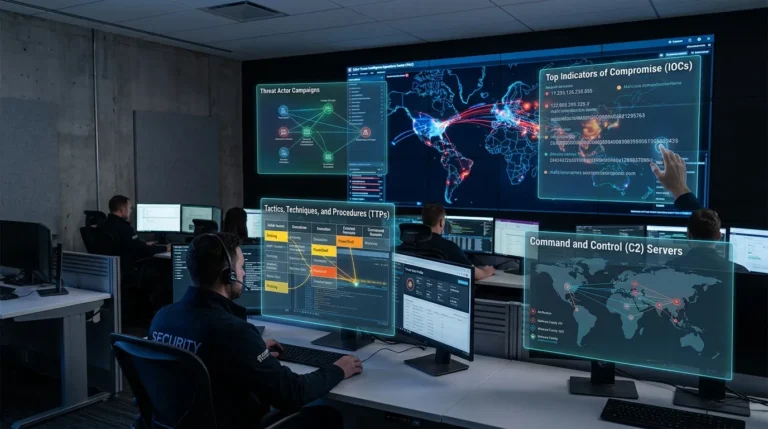
Detection and analysis involve identifying suspicious activity and confirming whether a security event has occurred. This requires continuous monitoring of logs, network traffic, and system behavior. Rapid detection limits the attacker’s ability to escalate privileges or move laterally.
Containment focuses on limiting the damage. Compromised systems may be isolated from the network to prevent further spread. Temporary controls may be implemented to block malicious traffic.
Eradication removes the threat entirely. This may involve deleting malicious files, patching vulnerabilities, resetting credentials, or rebuilding systems.
Finally, the post-incident review evaluates lessons learned. Security teams analyze what went wrong, what worked effectively, and how defenses can be improved.
While incident response focuses on immediate action, cyber resilience emphasizes long-term continuity. Cyber resilience ensures that an organization can continue operating even during or after a significant attack.
Resilience relies heavily on robust backup strategies. Regular data backups, stored securely and tested frequently, allow organizations to restore operations quickly. In ransomware scenarios, reliable backups can prevent attackers from holding data hostage.
Business continuity planning also plays a key role. Critical functions must be identified and prioritized. Alternate processes or systems should be available in case primary systems are compromised.
Key components of strong incident response and resilience include:
- A documented and tested incident response plan
- Dedicated response teams with clear authority
- Centralized logging and monitoring systems
- Secure and regularly tested data backups
- Defined communication strategies for stakeholders
Communication is often overlooked but critical. During major incidents, organizations must communicate transparently with employees, customers, regulators, and partners. Delayed or unclear messaging can damage trust significantly.
Regular drills and tabletop exercises strengthen preparedness. Simulated scenarios allow teams to practice response procedures under controlled conditions. These exercises reveal weaknesses before real attackers exploit them.
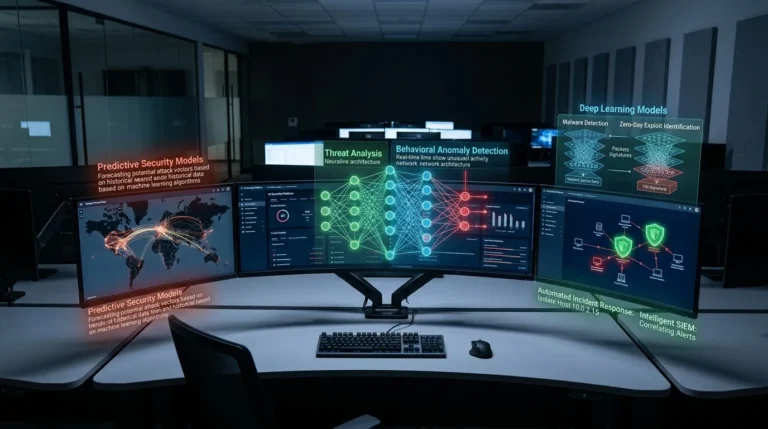
Automation increasingly supports incident response efforts. Security orchestration tools can isolate compromised devices automatically, block malicious IP addresses, and initiate containment workflows without waiting for manual intervention.
However, automation does not replace human judgment. Complex incidents require analysis, coordination, and decision-making that technology alone cannot provide.
Ultimately, incident response and cyber resilience acknowledge a fundamental truth: security breaches may occur despite strong defenses. What defines an organization’s strength is how effectively it responds and recovers.
Prepared organizations limit damage, protect their reputation, and restore operations quickly. Unprepared organizations face prolonged downtime, financial loss, and erosion of customer trust.
In a world where cyber threats are constant, resilience is not optional — it is a strategic necessity.