
Cybersecurity is entering a new era. As digital transformation accelerates, technologies such as artificial intelligence, cloud computing, IoT devices, and edge infrastructure are reshaping how organizations operate. At the same time, attackers are becoming more sophisticated, leveraging automation and AI to scale their campaigns. The future of cybersecurity will not simply be about stronger defenses — it will be about smarter, adaptive systems capable of responding in real time.
The threat landscape is expanding in both scale and complexity. Ransomware attacks are increasingly targeted and coordinated. Phishing campaigns are becoming highly personalized using data harvested from social platforms. Supply chain attacks exploit trusted vendors to infiltrate multiple organizations simultaneously. The traditional reactive security model cannot keep pace with this evolution.
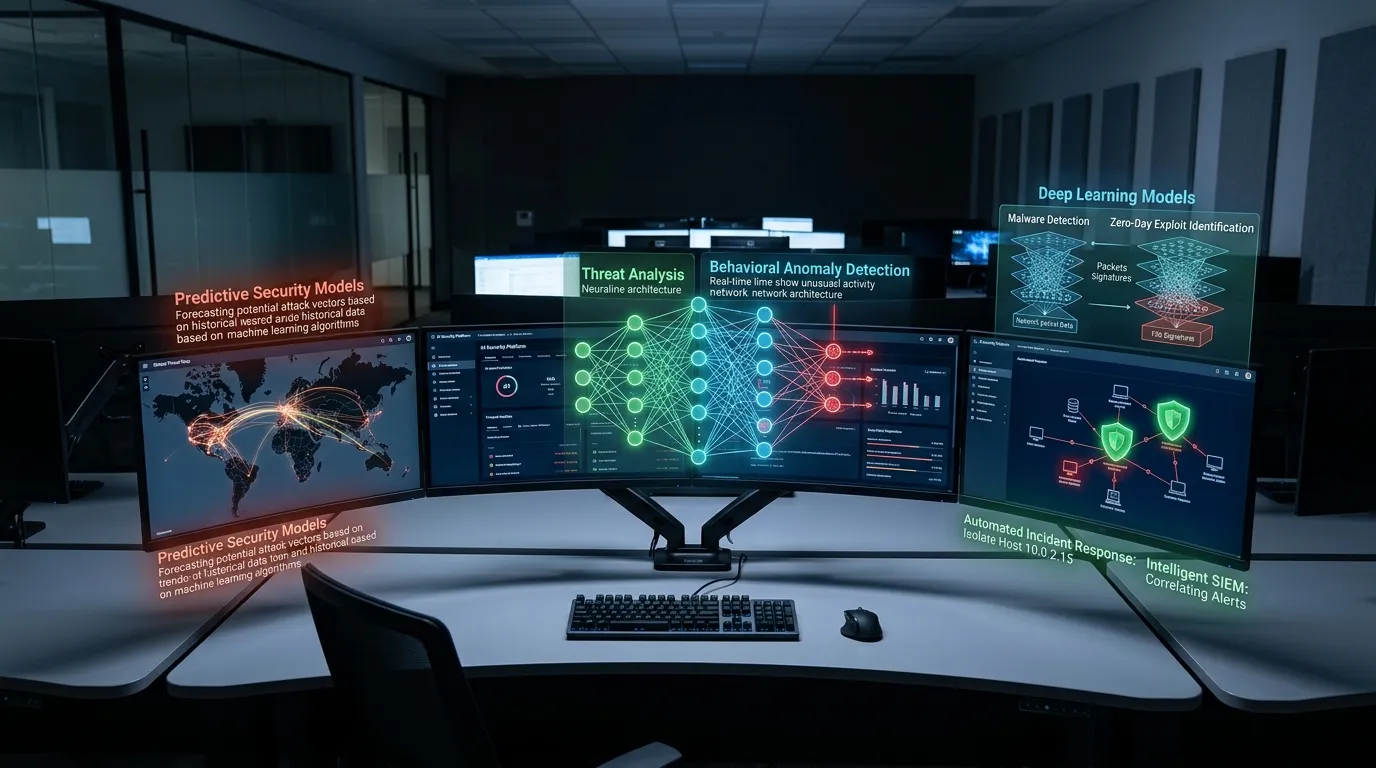
Artificial intelligence is playing a growing role in modern cybersecurity. AI-driven detection systems analyze massive volumes of data — network logs, authentication attempts, behavioral patterns — to identify anomalies that human analysts might overlook. Instead of relying solely on predefined attack signatures, machine learning models can detect subtle deviations from normal activity.
For example, if a user typically logs in from one geographic region during business hours and suddenly attempts access from another country at midnight, AI systems can flag this behavior instantly. This shift toward behavioral analysis improves early detection and reduces response times.
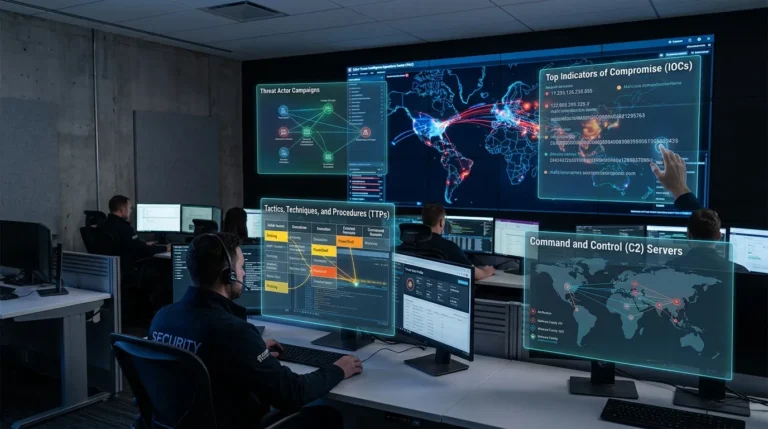
Automation is equally transformative. Security operations centers (SOCs) face overwhelming volumes of alerts daily. Manual analysis is no longer scalable. Security orchestration and automated response (SOAR) platforms integrate detection tools with automated workflows. When a threat is detected, systems can isolate compromised devices, block malicious IP addresses, or revoke credentials automatically.
Automation reduces response time from hours to seconds — a critical advantage during fast-moving attacks.
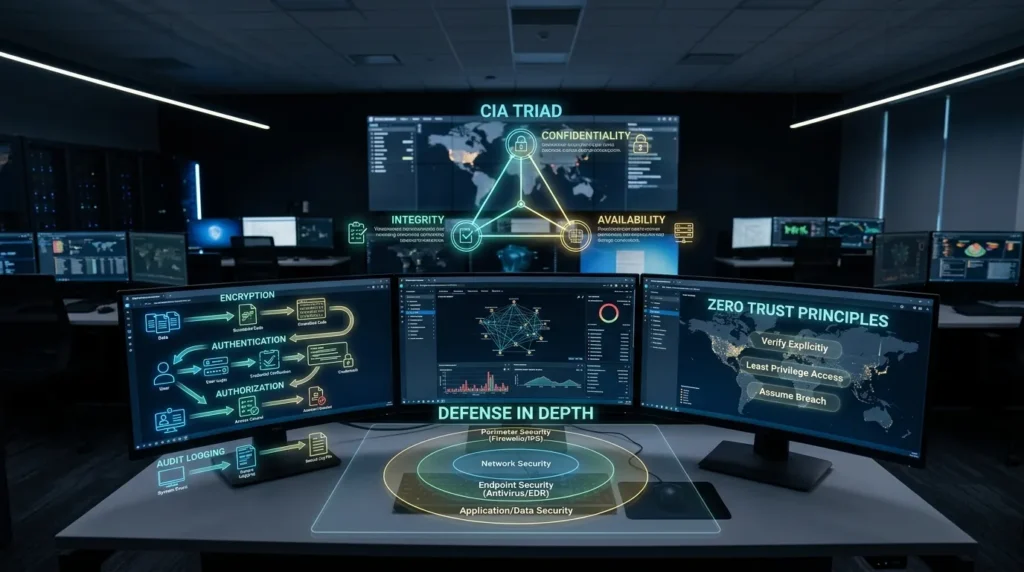
Zero Trust architecture will likely become standard in future cybersecurity frameworks. As discussed earlier, Zero Trust eliminates implicit trust and continuously verifies every access request. In a world where credential theft is common, this approach significantly reduces risk.
Another emerging trend is quantum-resistant encryption. While quantum computing promises breakthroughs in computing power, it also poses potential risks to current encryption algorithms. Researchers are already developing quantum-safe cryptographic methods to protect future data.
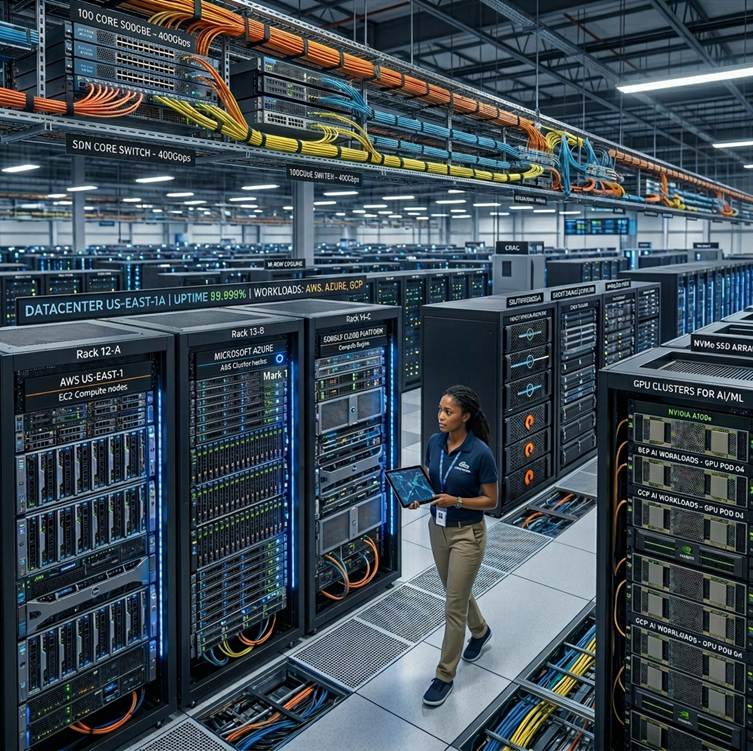
Cloud security will continue evolving as organizations migrate sensitive workloads to platforms like Amazon Web Services and Microsoft Azure. Automated compliance monitoring, identity-based access control, and AI-driven anomaly detection will become default features in cloud-native security architectures.
However, as defenders adopt AI and automation, attackers are doing the same. Cybercriminals increasingly use AI to craft convincing phishing emails, automate vulnerability scanning, and evade detection systems. This creates an arms race between offensive and defensive capabilities.
Future cybersecurity strategies will likely include:
- AI-powered behavioral threat detection
- Automated incident response workflows
- Zero Trust architecture adoption
- Quantum-resistant encryption development
- Advanced threat intelligence integration
Human expertise will remain essential despite growing automation. AI systems can detect patterns and execute predefined actions, but strategic decisions require human judgment. Security leaders must balance automation with oversight to avoid blind reliance on algorithms.
Cybersecurity will also require greater collaboration across industries and governments. Threat actors often operate across borders, targeting multiple sectors simultaneously. Information sharing, coordinated defense strategies, and regulatory alignment will become increasingly important.
Workforce development will be another key focus. As cybersecurity technologies evolve, organizations must train professionals capable of managing complex systems. Addressing the global cybersecurity skills gap will be critical to maintaining resilience.
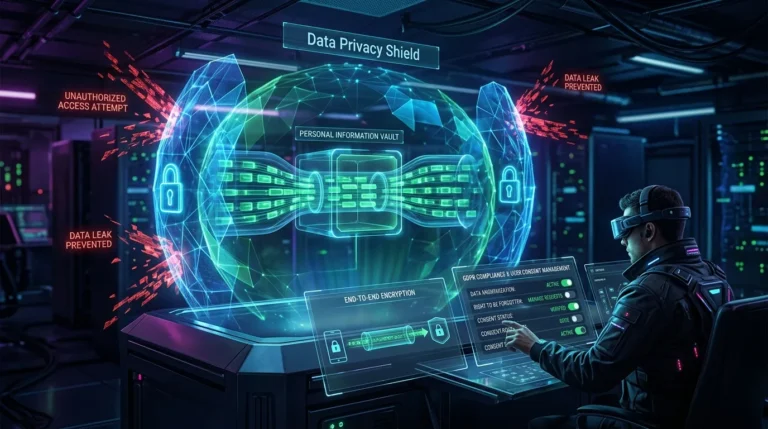
Privacy concerns will also shape the future. As monitoring tools become more advanced, organizations must balance security visibility with ethical data usage. Transparent policies and regulatory compliance will remain central to maintaining trust.
Ultimately, the future of cybersecurity is adaptive. Static defenses cannot survive in a dynamic threat landscape. Systems must continuously learn, adjust, and improve.
Security will increasingly shift from reactive defense to predictive prevention. Instead of waiting for breaches to occur, intelligent systems will anticipate vulnerabilities and recommend corrective action proactively.
The organizations that succeed in this environment will embrace innovation while maintaining strong governance. They will integrate AI responsibly, automate strategically, and cultivate skilled security teams.
Cybersecurity is no longer just about building walls. It is about building intelligent systems capable of evolving alongside emerging threats.
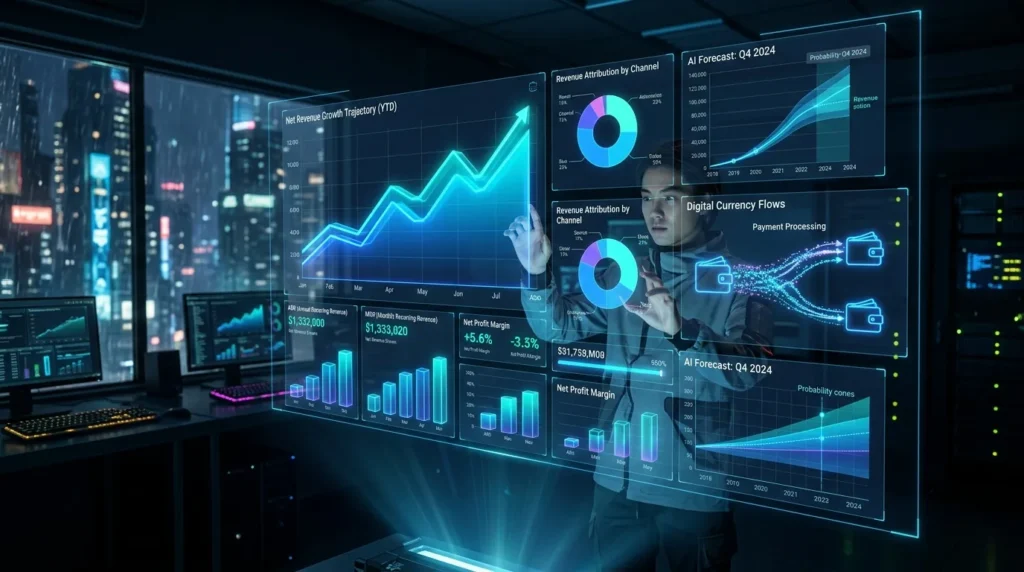
The future will belong to organizations that treat cybersecurity not as a cost center, but as a strategic enabler of trust, resilience, and sustainable growth.