
Energy innovation lies at the heart of global economic development and environmental sustainability. As the world confronts climate change, population growth, and increasing energy demand, deep tech advancements in renewable energy, advanced storage, and nuclear fusion are redefining how power is generated and distributed.
Traditional fossil fuel-based energy systems face growing scrutiny due to carbon emissions and environmental impact. Renewable technologies such as solar and wind have expanded rapidly, yet challenges remain in storage and grid reliability. Emerging deep tech solutions aim to address these limitations.
One of the most ambitious energy innovations is nuclear fusion. Unlike conventional nuclear fission — which splits atoms to release energy — fusion combines atomic nuclei, mimicking the process that powers the sun. Fusion promises nearly limitless energy with minimal long-term radioactive waste and significantly lower environmental impact.
Research institutions and private companies are racing to achieve commercially viable fusion. Organizations such as ITER represent large-scale international collaborations designed to demonstrate sustainable fusion reactions. Meanwhile, private firms pursue alternative reactor designs to accelerate commercialization.
Although fusion remains in experimental stages, breakthroughs in plasma containment and magnetic confinement systems signal progress. Achieving net energy gain — producing more energy than consumed during the reaction — remains a key milestone.
Beyond fusion, energy storage technology is undergoing rapid evolution. Advanced battery systems, including solid-state designs, promise higher energy density and improved safety. Companies like Tesla continue pushing battery innovation to support electric vehicles and grid-scale storage solutions.
Grid modernization is another essential focus. Smart grids integrate IoT sensors, AI-driven demand forecasting, and distributed energy management systems. These technologies enable more efficient distribution and reduce power loss.
Hydrogen energy also represents a promising frontier. Green hydrogen, produced using renewable electricity, can serve as a clean fuel for heavy industry and transportation. However, scaling production cost-effectively remains a challenge.
Key domains within energy innovation include:
- Nuclear fusion research
- Advanced battery technologies
- Smart grid infrastructure
- Hydrogen fuel systems
- Renewable energy optimization
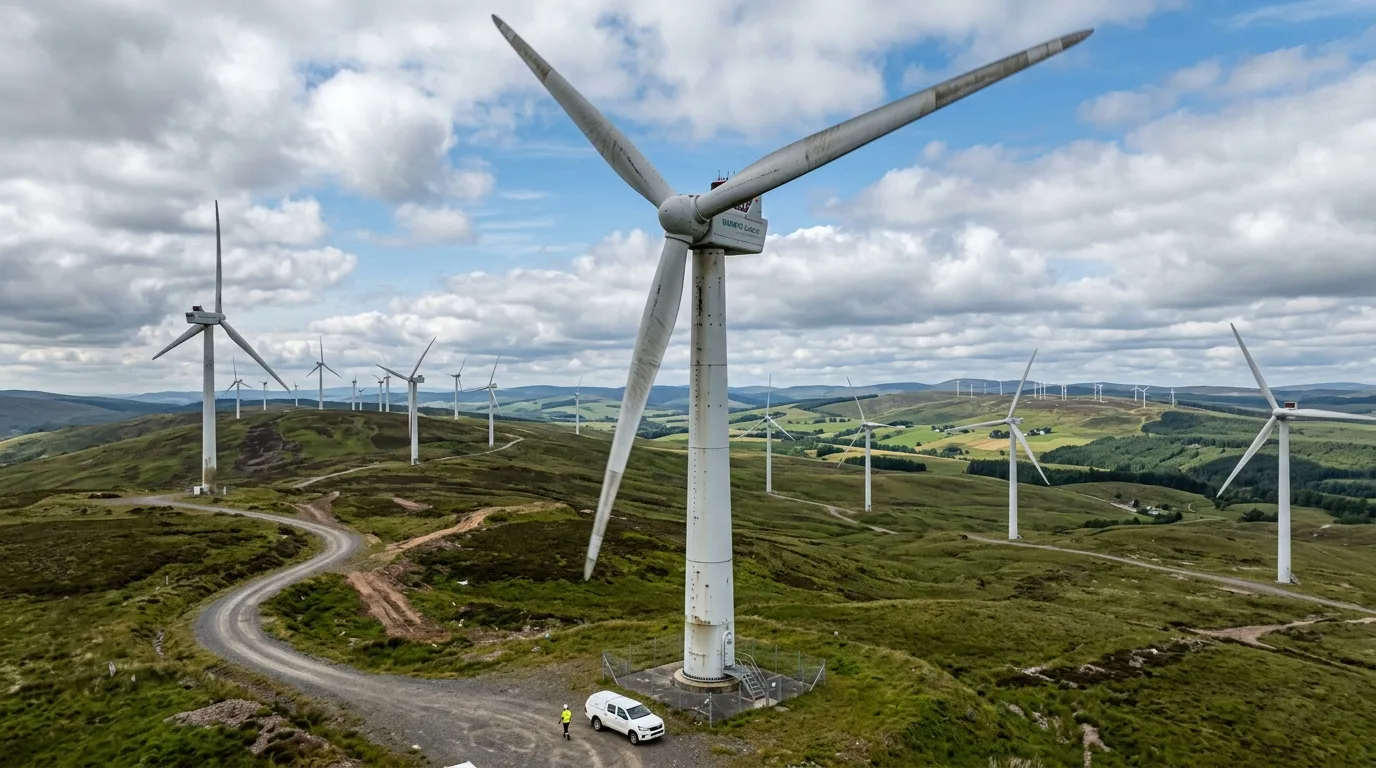
Artificial intelligence increasingly supports energy management. Predictive analytics optimize energy distribution based on consumption patterns. AI models improve efficiency in wind farms and solar arrays by adjusting operational parameters in real time.
However, energy innovation involves significant capital investment and regulatory complexity. Infrastructure development requires long-term planning and policy support. Public-private partnerships often drive progress in deep tech energy projects.
Safety and environmental responsibility remain critical. Nuclear technologies require strict oversight, and renewable infrastructure must balance ecological considerations.
The geopolitical dimension of energy innovation is also significant. Energy independence influences national security and economic stability. Countries investing in advanced energy technologies may gain strategic advantages.
Fusion technology, while still under development, symbolizes the potential of deep tech to solve seemingly insurmountable challenges. If successfully commercialized, fusion could provide abundant clean energy for centuries.
The transition toward sustainable energy systems will not occur overnight. Incremental advancements in storage, grid intelligence, and renewable efficiency will continue shaping near-term progress. Simultaneously, long-term research in fusion and advanced materials pushes the boundaries of possibility.
Ultimately, energy innovation defines the foundation of future technological growth. Every digital system, manufacturing process, and transportation network depends on reliable power.
Deep tech advancements in energy are not merely scientific milestones — they are essential investments in the planet’s long-term sustainability and economic resilience.
The future of energy will determine the future of innovation itself.