
As cyber threats grow more advanced and frequent, organizations are confronting a persistent challenge: a global shortage of skilled cybersecurity professionals. The cybersecurity skills gap has become one of the most pressing issues in digital risk management, prompting enterprises to accelerate investment in automation and managed security services.
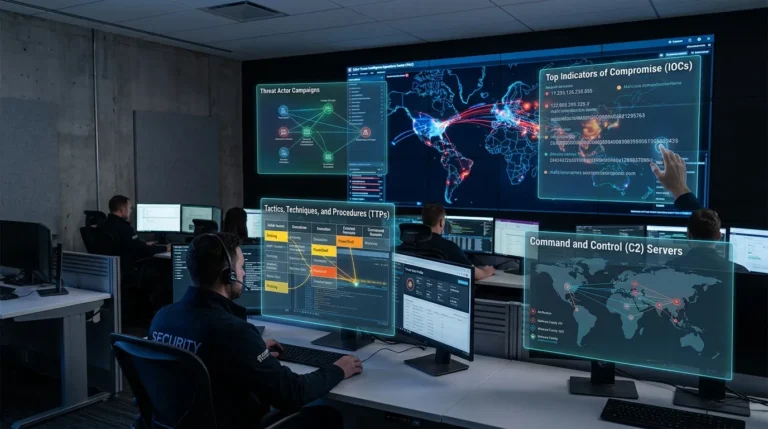
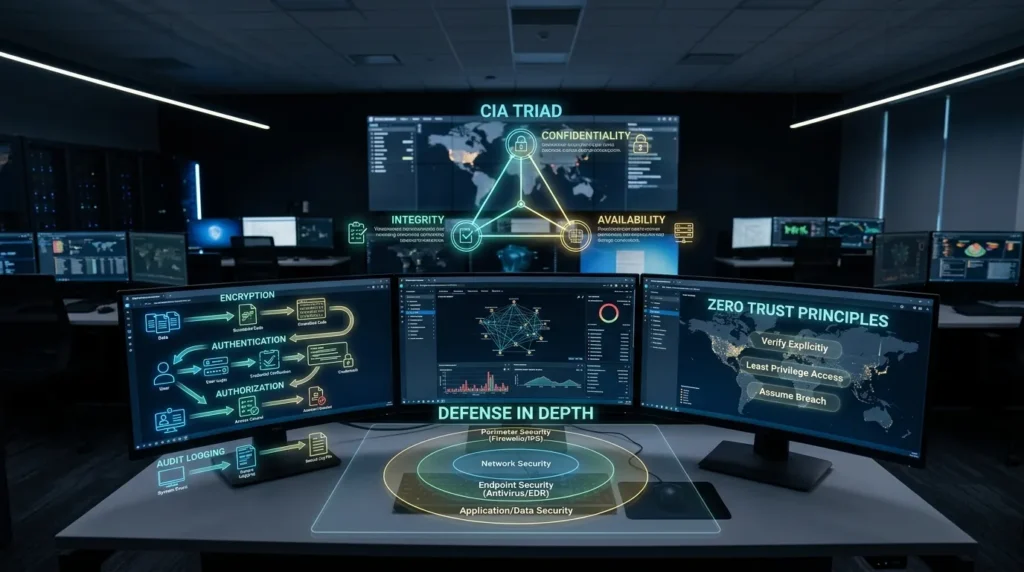
Security operations centers (SOCs) face increasing volumes of alerts generated by cloud platforms, endpoint devices, identity systems, and network monitoring tools. Analyzing and responding to these alerts requires specialized expertise. However, recruiting and retaining qualified cybersecurity talent remains difficult, particularly as demand outpaces supply.
Industry analysts consistently report that unfilled cybersecurity roles expose organizations to prolonged incident response times and increased breach risk. In response, enterprises are adopting automation technologies to augment human capabilities.
Security vendors such as IBM and Palo Alto Networks provide Security Orchestration, Automation, and Response (SOAR) platforms designed to streamline incident management workflows.
Automation tools perform repetitive tasks such as:
- Correlating security alerts
- Blocking malicious IP addresses
- Isolating compromised endpoints
- Generating compliance reports
- Triggering predefined response actions
By automating these processes, organizations reduce alert fatigue and free analysts to focus on complex investigations.
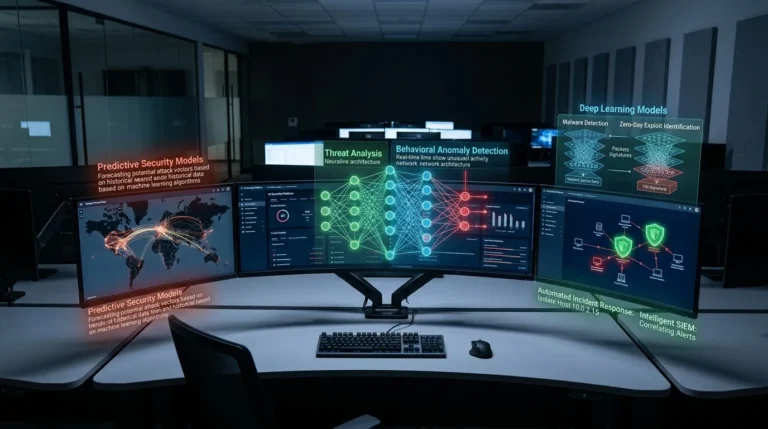
Artificial intelligence further enhances automation capabilities. Machine learning models analyze behavioral patterns and detect anomalies in real time, enabling faster identification of potential threats.
Managed Security Service Providers (MSSPs) are also gaining prominence. These external partners deliver 24/7 monitoring, threat intelligence, and incident response services. For organizations lacking internal resources, MSSPs provide access to specialized expertise and scalable infrastructure.
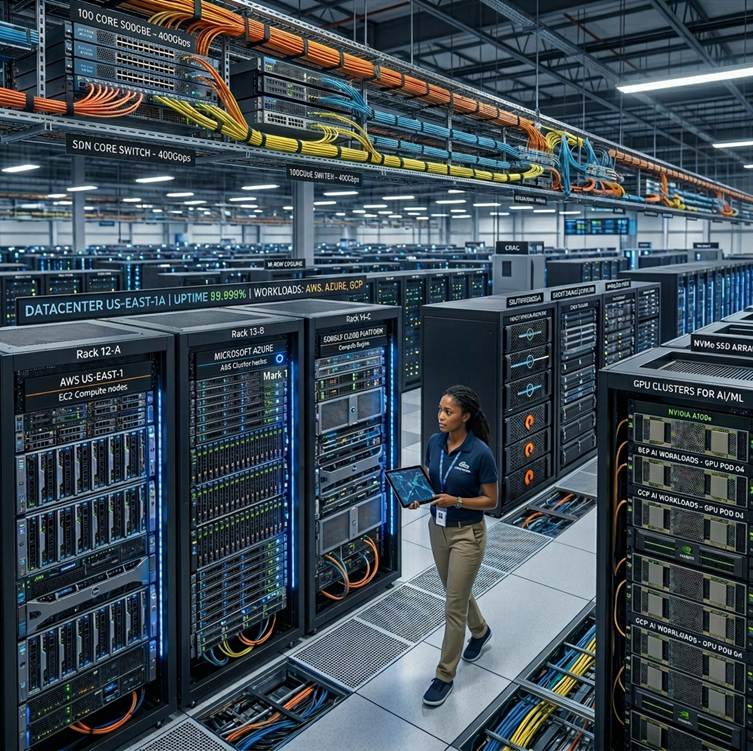
Cloud-based security services, offered by platforms such as Microsoft and Amazon Web Services, integrate automated monitoring and compliance tools directly into cloud environments, reducing the need for manual oversight.
Despite technological advancements, the human element remains critical. Automation supports analysts but does not eliminate the need for skilled decision-making. Complex incidents often require contextual understanding and strategic judgment.
Organizations are addressing the skills gap through multiple strategies:
- Investing in employee upskilling programs
- Partnering with managed security providers
- Deploying AI-driven monitoring tools
- Implementing standardized response playbooks
- Encouraging cross-functional cybersecurity awareness
Upskilling initiatives aim to build cybersecurity competencies within existing IT teams. Certification programs and internal training workshops help bridge knowledge gaps.
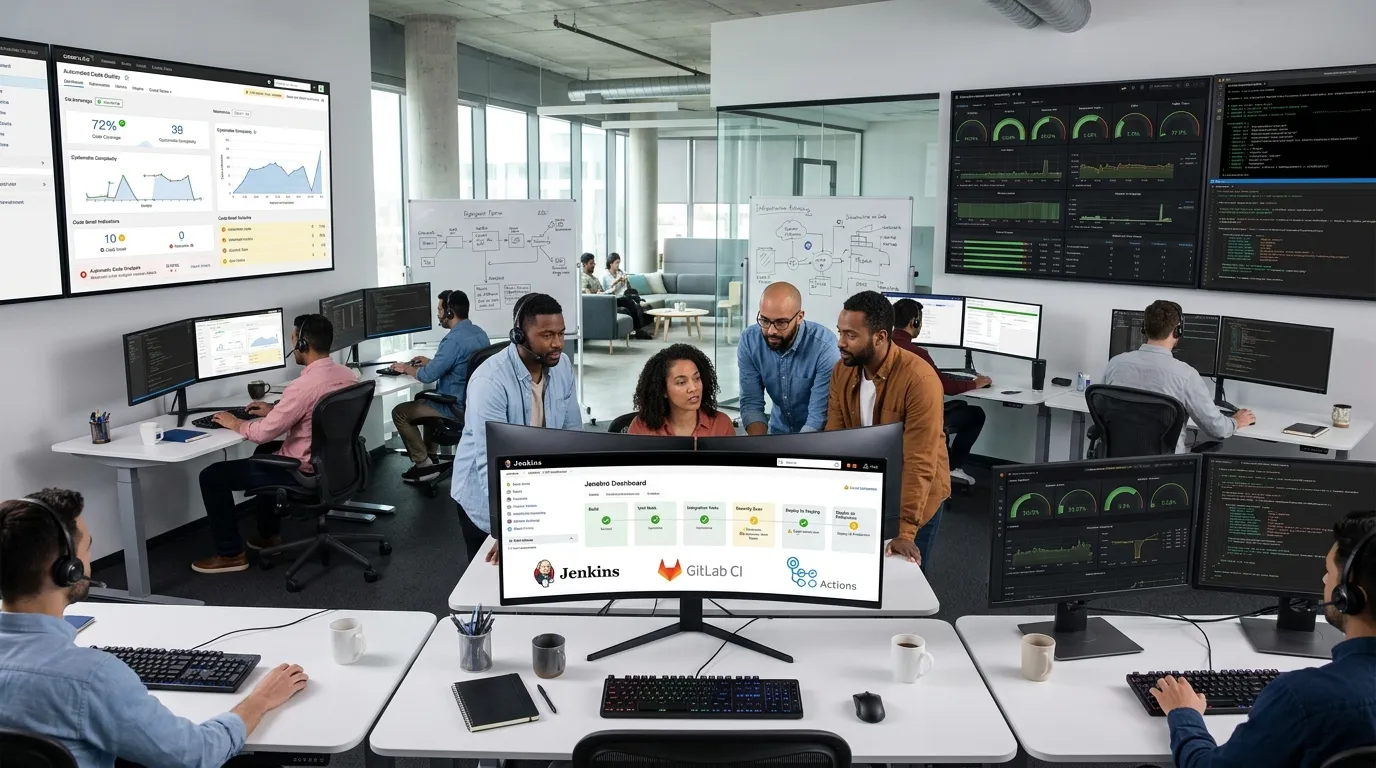
Standardized playbooks improve efficiency. By defining predefined responses for common threat scenarios, organizations reduce ambiguity during incidents.
Remote work models further intensify the skills challenge. Distributed workforces increase attack surfaces, requiring broader monitoring coverage.
Budget considerations also influence strategy. While hiring specialized talent may be costly, automation tools and managed services offer scalable alternatives.
However, overreliance on automation can introduce risk if systems are misconfigured or not regularly updated. Continuous evaluation of automated workflows ensures effectiveness.
Key challenges associated with the cybersecurity skills gap include:
- High competition for experienced professionals
- Rapid evolution of threat landscapes
- Burnout among security teams
- Integration complexity across tools
Industry collaboration and public-private partnerships aim to expand cybersecurity education pipelines.
As cyber threats continue evolving, automation and managed security services are becoming strategic enablers of resilience.
Organizations that blend technology-driven efficiency with human expertise position themselves to navigate an increasingly complex threat environment.
The cybersecurity workforce challenge is unlikely to disappear quickly. However, intelligent automation and strategic partnerships provide sustainable pathways to maintaining robust defense capabilities in the face of talent constraints.