
As organizations deepen their digital transformation efforts, advanced analytics and augmented intelligence are redefining how strategic decisions are made. Rather than replacing human expertise, augmented intelligence enhances it — combining machine-driven insights with human judgment to improve accuracy, speed, and confidence.
Advanced analytics extends beyond traditional reporting and descriptive dashboards. It incorporates predictive modeling, prescriptive recommendations, simulation techniques, and artificial intelligence-driven optimization. These capabilities allow enterprises not only to anticipate outcomes but also to determine optimal actions.
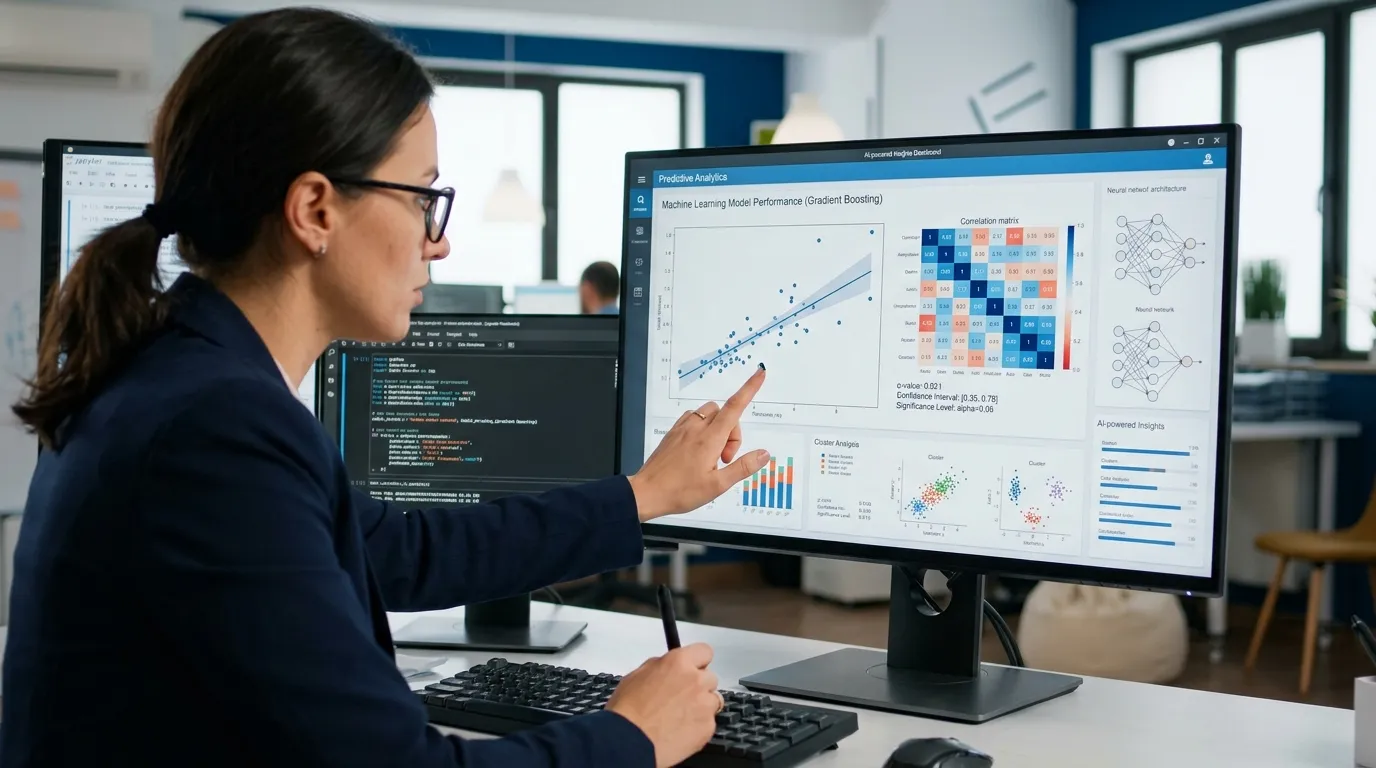
Augmented intelligence emphasizes collaboration between humans and AI systems. Machine learning algorithms analyze vast datasets to surface patterns, while decision-makers interpret results within broader business contexts.
Technology providers such as IBM have positioned augmented intelligence as a core enterprise capability, integrating AI-driven insights into operational workflows and executive dashboards.
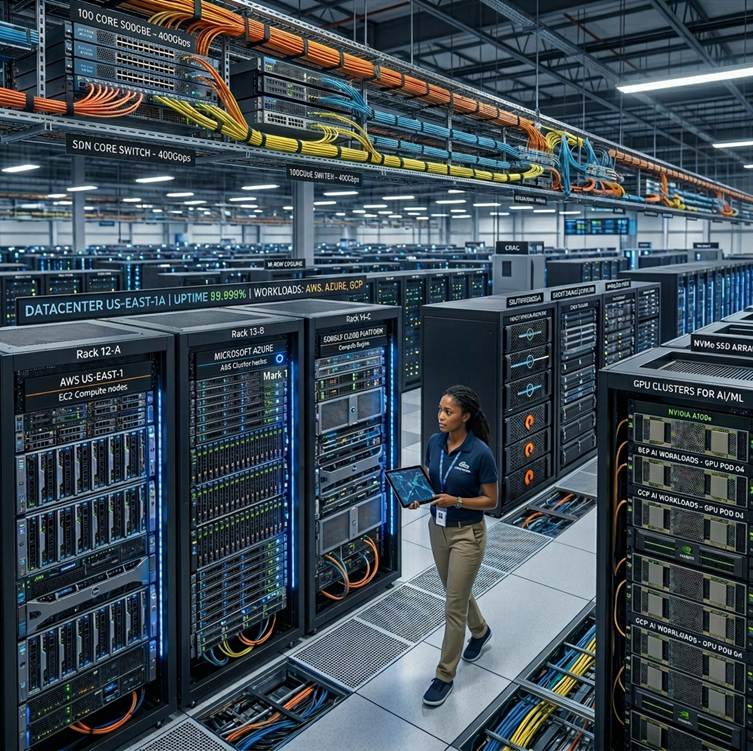
Cloud infrastructure plays a central role in supporting advanced analytics at scale. Platforms such as Microsoft and Google Cloud provide high-performance computing environments capable of processing complex models in real time.
Key capabilities within advanced analytics frameworks include:
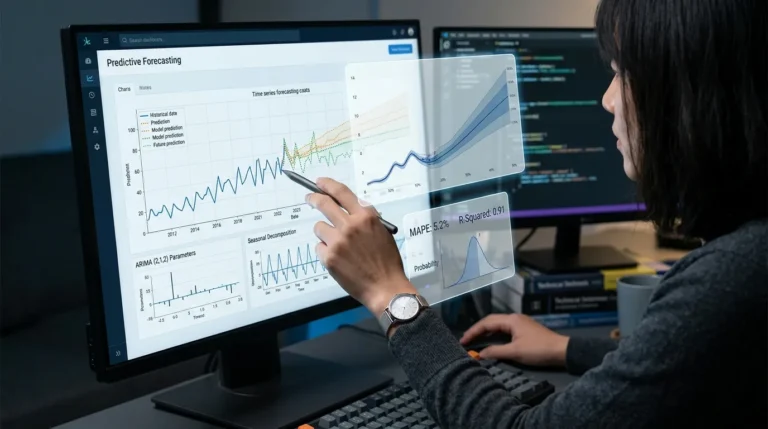
- Predictive forecasting models
- Prescriptive optimization engines
- Scenario simulation tools
- Automated insight generation
- Real-time performance monitoring
Prescriptive analytics builds on predictive insights by recommending specific actions to achieve desired outcomes. For example, supply chain systems can suggest optimal inventory allocations based on demand forecasts and transportation constraints.
Scenario simulation tools allow organizations to model potential outcomes under varying conditions. Executives can evaluate strategic alternatives before implementation, reducing uncertainty.
Augmented analytics platforms increasingly incorporate natural language interfaces. Business users can query data conversationally and receive AI-generated explanations alongside visualizations.
Workforce collaboration is central to augmented intelligence success. Data scientists, analysts, and business leaders must work together to interpret results and validate recommendations.
Explainability remains critical. Transparent AI models build trust among decision-makers, particularly in regulated industries.
Key challenges in advanced analytics adoption include:
- Integrating analytics into existing workflows
- Ensuring data quality consistency
- Managing model lifecycle governance
- Aligning analytics outputs with business strategy
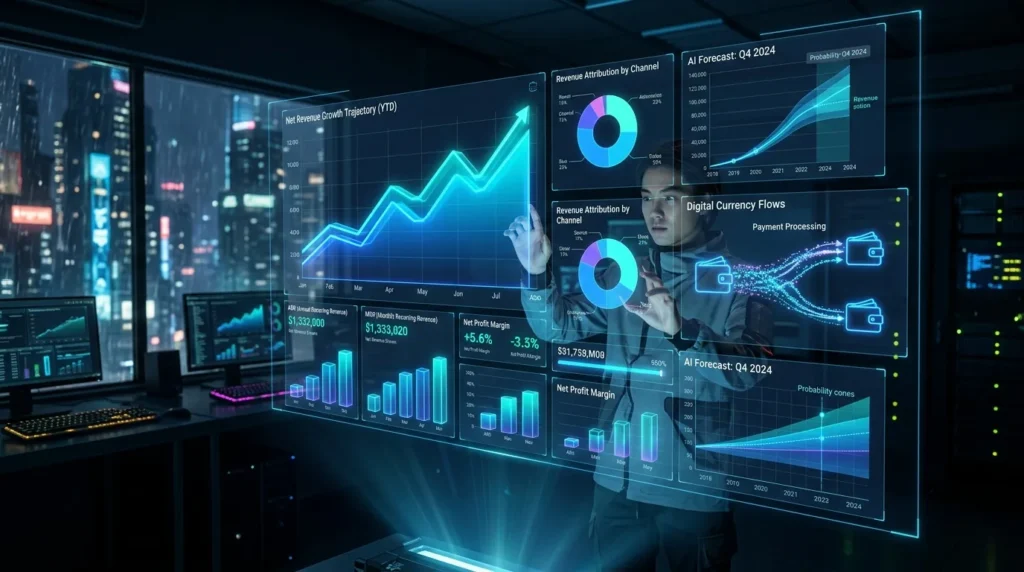
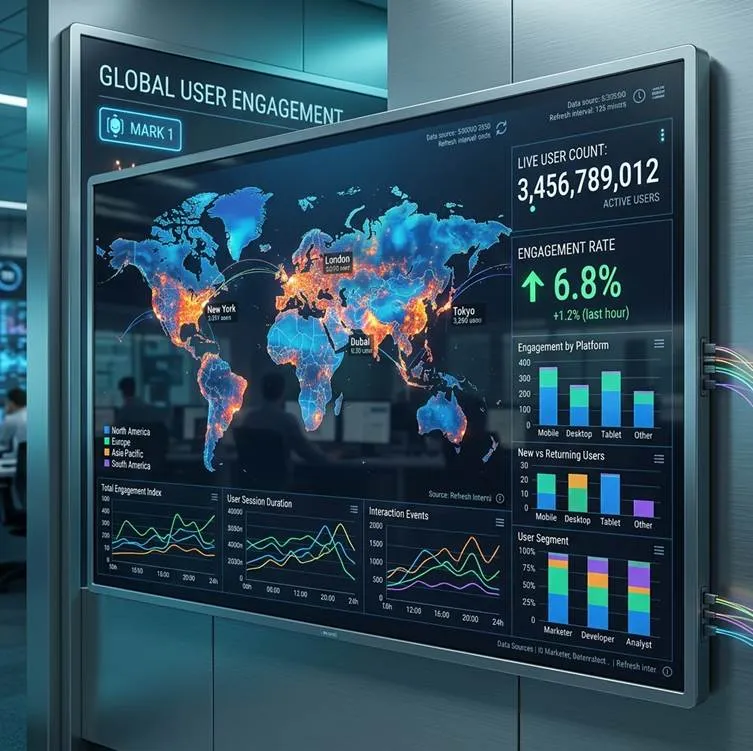
Organizations are embedding analytics directly into operational systems rather than relying solely on standalone dashboards. This integration accelerates decision execution.
Automation enhances efficiency by surfacing insights proactively rather than requiring manual exploration.
Industry analysts note that enterprises leveraging advanced analytics demonstrate stronger adaptability in volatile markets.
Customer experience strategies increasingly depend on real-time, AI-driven personalization.
However, technology alone does not guarantee impact. Leadership commitment, data literacy, and cultural alignment are essential to unlocking full value.
Security and compliance considerations also shape analytics deployment, particularly when handling sensitive datasets.
Advanced analytics shifts enterprise strategy from reactive adjustment to proactive optimization.
Augmented intelligence frameworks enable faster, more informed decisions while preserving human oversight.
As data volumes continue expanding and AI capabilities mature, enterprises that embrace advanced analytics will gain a measurable competitive edge.
The future of decision-making lies not in automation alone, but in intelligent collaboration between human expertise and machine-driven insight.
In an increasingly complex digital economy, augmented intelligence stands as a defining pillar of enterprise innovation and resilience.