
Industry 4.0 — often referred to as the fourth industrial revolution — is reshaping manufacturing and industrial operations through advanced automation, connected systems, and data-driven intelligence. As enterprises modernize production environments, smart manufacturing has become a central component of digital transformation strategies.
Traditional manufacturing models relied on isolated machinery, manual monitoring, and reactive maintenance. Industry 4.0 integrates IoT sensors, AI analytics, robotics, and cyber-physical systems to create interconnected, self-optimizing production environments.
Technology providers such as Siemens and GE Digital deliver industrial IoT platforms that enable predictive maintenance, real-time monitoring, and digital twin simulation.
Core pillars of Industry 4.0 transformation include:
- Industrial IoT (IIoT) sensor integration
- Predictive maintenance algorithms
- Robotics and automation expansion
- Digital twin modeling
- Edge computing deployment
Industrial IoT devices collect real-time data from equipment, enabling centralized dashboards that monitor machine health and production output.
Predictive maintenance uses AI models to identify potential equipment failures before breakdown occurs, reducing costly downtime.
Robotic automation enhances production precision and throughput, particularly in repetitive assembly-line tasks.
Digital twin technology allows manufacturers to simulate factory operations virtually, optimizing layouts and testing process changes before physical implementation.
Edge computing supports low-latency data processing directly within factory environments, improving responsiveness and minimizing reliance on centralized cloud infrastructure.
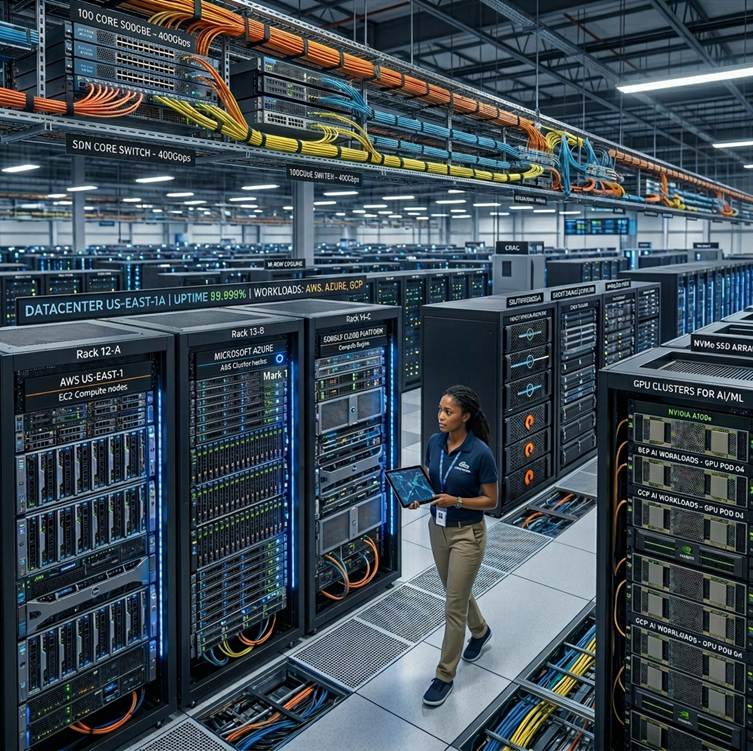
Cloud ecosystems such as Amazon Web Services support large-scale industrial analytics while integrating with on-premise operational technology (OT) systems.
However, Industry 4.0 transformation presents unique challenges.
Common obstacles include:
- Integration of legacy machinery
- Cybersecurity vulnerabilities in connected devices
- Workforce retraining needs
- High capital investment requirements
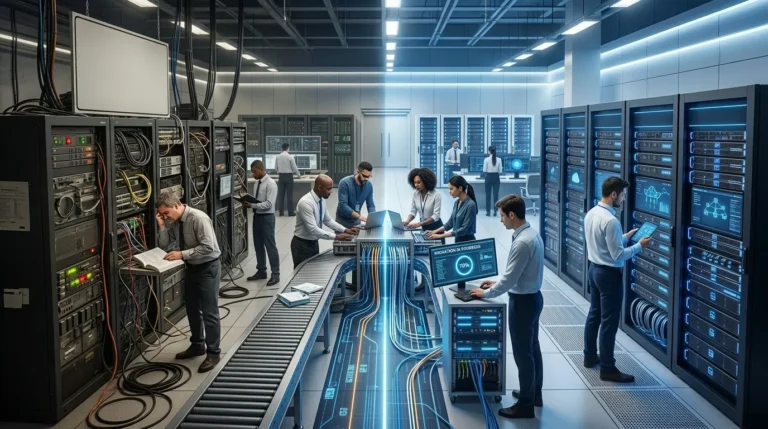
Legacy industrial systems may lack digital connectivity, requiring retrofitting with IoT sensors.
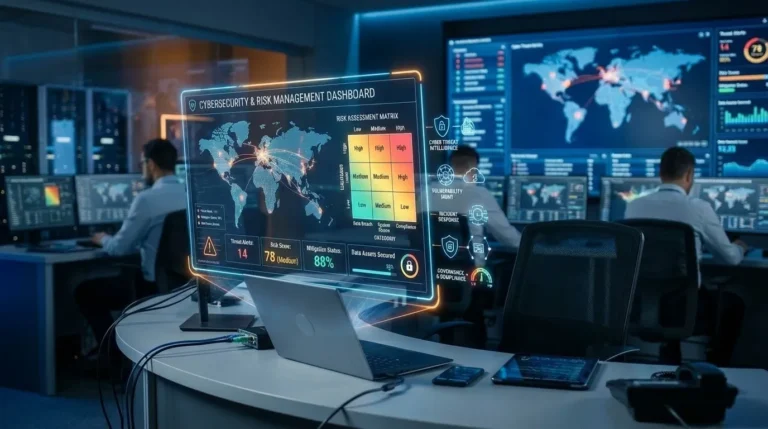
Cybersecurity risk increases significantly when operational technology connects to enterprise IT networks.
Workforce transformation is essential. Technicians must acquire digital skills to manage advanced robotics and analytics platforms.
Capital expenditure planning must align with long-term ROI projections.
Smart manufacturing initiatives are typically evaluated based on:
- Reduced equipment downtime
- Increased production efficiency
- Improved product quality
- Energy consumption optimization
Data integration between supply chain systems and production environments enhances visibility across the entire value chain.
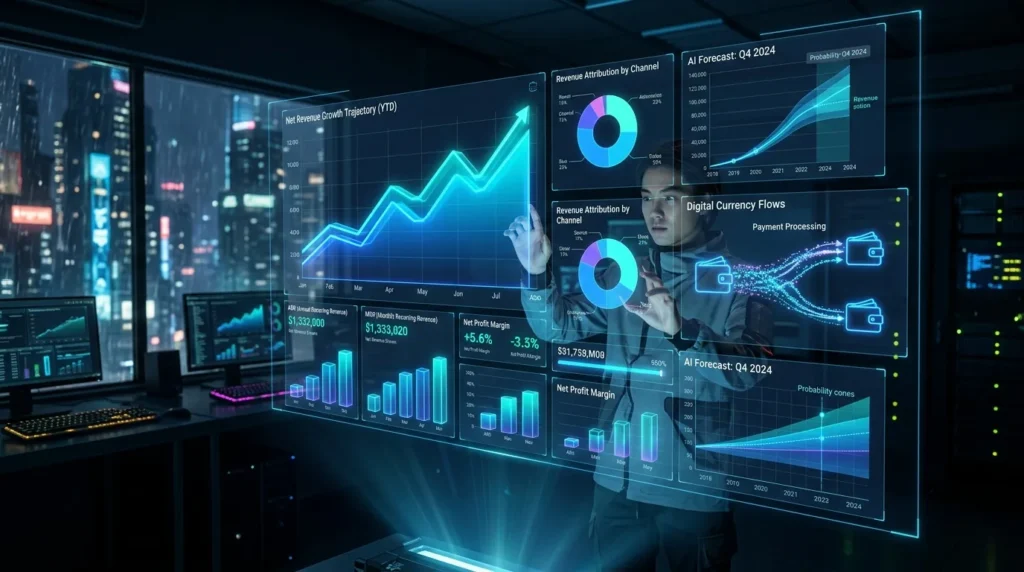
Real-time analytics enables manufacturers to adjust output based on demand fluctuations, improving agility.
Sustainability goals also drive Industry 4.0 adoption. Energy-efficient systems and waste reduction initiatives align with environmental targets.
The convergence of physical operations and digital intelligence defines the essence of smart manufacturing transformation.
Industry 4.0 represents more than technological modernization — it signifies operational reinvention.
As industrial sectors face global competition and supply chain volatility, digitally enabled factories provide resilience and adaptability.
Enterprises that embrace smart manufacturing accelerate productivity while strengthening risk mitigation capabilities.
In the broader digital transformation landscape, Industry 4.0 stands as a powerful example of how deep operational integration drives measurable business impact.