
Brain-computer interface (BCI) technology and broader neurotechnology research are advancing beyond experimental neuroscience laboratories into early-stage clinical and commercial development. Once considered speculative science fiction, direct neural interface systems are now being tested for medical rehabilitation, assistive communication, and long-term cognitive research.
Brain-computer interfaces enable direct communication between the human brain and external digital systems. By capturing neural signals and translating them into actionable commands, BCIs allow individuals to control devices without physical movement.
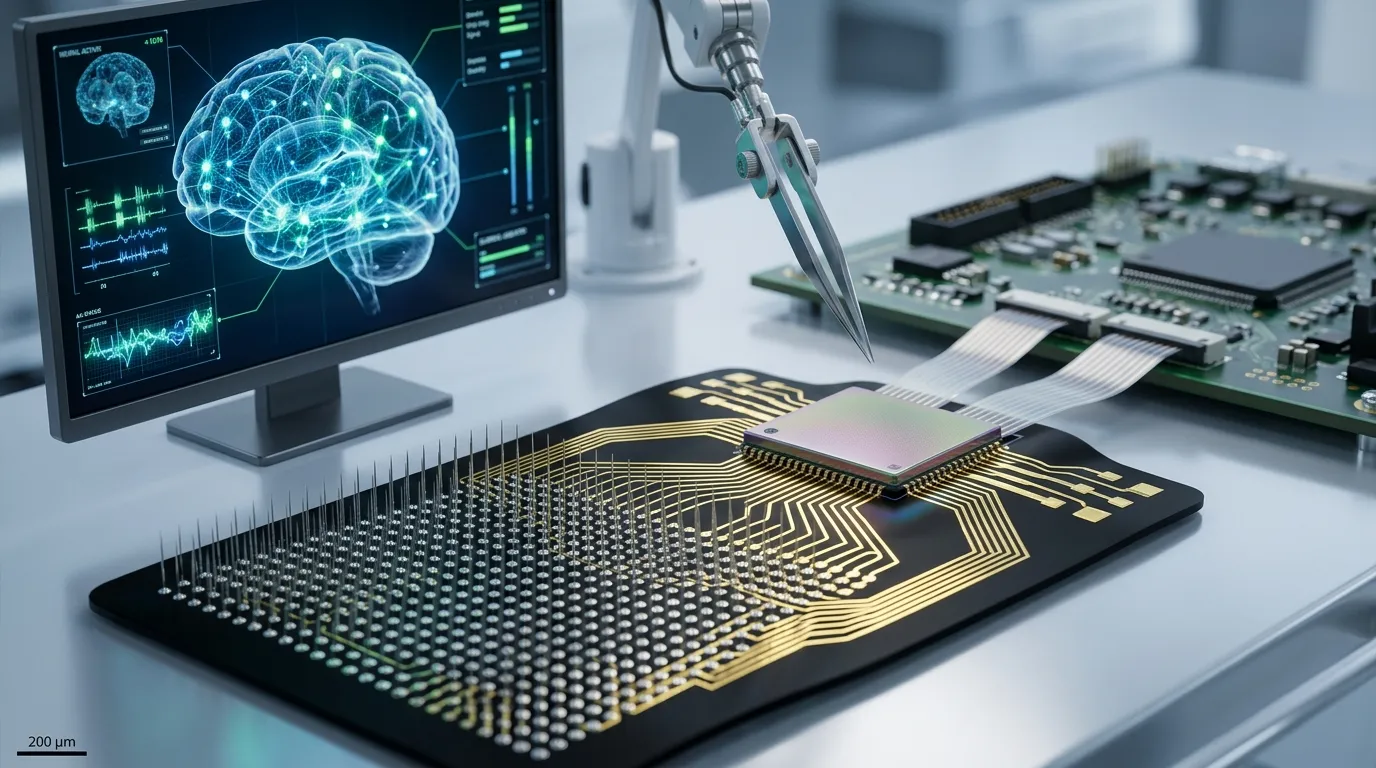
Companies such as Neuralink and Synchron are developing implantable neural devices designed to restore motor function and communication capabilities in patients with neurological impairments.
Early applications primarily focus on medical rehabilitation. Patients with spinal cord injuries or neurodegenerative conditions may regain partial communication or mobility through neural signal translation.
Key areas of neurotechnology advancement include:
- Implantable neural interfaces
- Non-invasive brain signal detection
- AI-driven neural signal decoding
- Neuroprosthetics
- Cognitive health monitoring
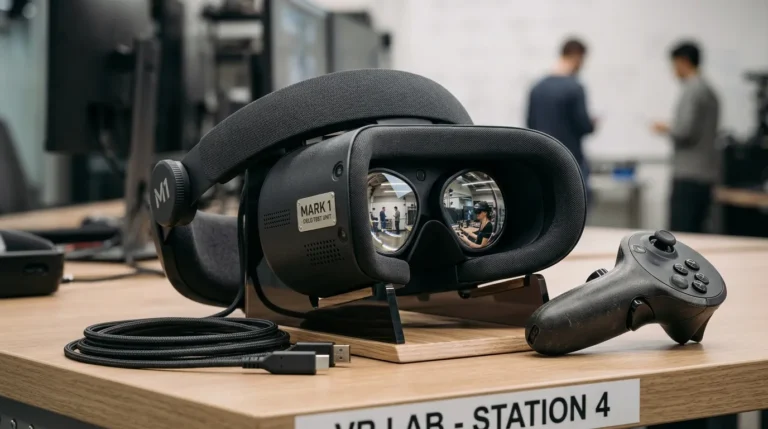
Non-invasive BCI systems use wearable EEG-based sensors to detect brain activity patterns. While less precise than implantable devices, these systems offer safer initial experimentation pathways.
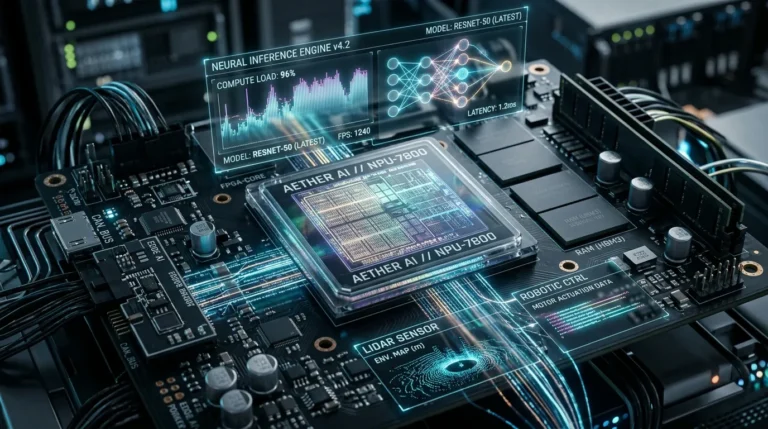
Artificial intelligence plays a crucial role in signal interpretation. Neural data is highly complex and requires advanced machine learning models to translate electrical patterns into meaningful outputs.
In addition to medical applications, neurotechnology research is exploring cognitive enhancement, mental health monitoring, and human-machine collaboration.
However, BCI development introduces significant ethical and regulatory considerations.
Key concerns include:
- Patient safety during surgical implantation
- Long-term neural tissue compatibility
- Data privacy of neural signals
- Ethical boundaries of cognitive augmentation
Regulatory agencies are carefully evaluating clinical trial outcomes to ensure safety standards are met before broad deployment.
Hardware engineering challenges also remain substantial. Implantable devices must be biocompatible, durable, and capable of wireless data transmission without causing tissue damage.
Battery life and signal fidelity represent ongoing engineering hurdles.
Government research agencies and academic institutions continue to collaborate with private companies to accelerate development while maintaining oversight.
Military and defense research organizations are also investing in neurotechnology to explore communication and cognitive resilience applications.
Despite rapid progress, widespread consumer applications remain distant. Most commercial deployment will likely occur in controlled medical environments initially.
From an investment perspective, neurotechnology exemplifies deep tech characteristics — long research cycles, high capital requirements, and transformative potential.
If successful, BCIs could significantly reshape rehabilitation medicine and assistive technology markets.
Public perception will also influence adoption trajectories. Transparent communication regarding safety, privacy, and ethical safeguards will be essential.
As neuroscience converges with artificial intelligence and advanced materials science, brain-computer interfaces represent one of the most ambitious frontiers in emerging technology.
The coming decade will determine whether neurotechnology transitions from experimental prototypes to scalable therapeutic solutions.
While challenges remain significant, ongoing research momentum suggests that neural interface systems are steadily advancing toward broader clinical integration.