
Advanced cyber-physical systems (CPS) are emerging as a foundational layer in modern infrastructure, integrating computation, networking, and physical processes into intelligent, responsive environments. These systems connect sensors, control algorithms, and real-world machinery to create infrastructure capable of self-monitoring and autonomous adjustment.
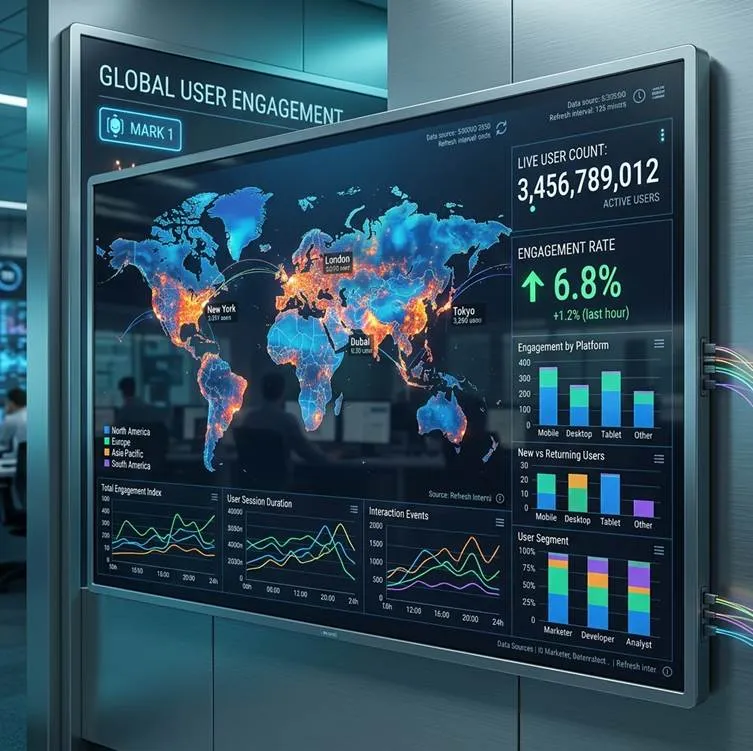
Unlike traditional automation systems, cyber-physical systems combine real-time data collection with AI-driven decision engines. This convergence allows for predictive maintenance, adaptive energy distribution, and real-time safety monitoring.
Industries deploying CPS at scale include transportation, utilities, manufacturing, and urban infrastructure.
Technology providers such as Siemens are integrating digital twin platforms with physical infrastructure, enabling simulation and optimization before operational adjustments are made. Meanwhile, Honeywell develops intelligent building management systems that optimize energy efficiency and security.
Key components of advanced cyber-physical systems include:
- IoT-enabled sensors
- Edge computing infrastructure
- AI-based control algorithms
- Secure communication networks
- Digital twin simulation platforms
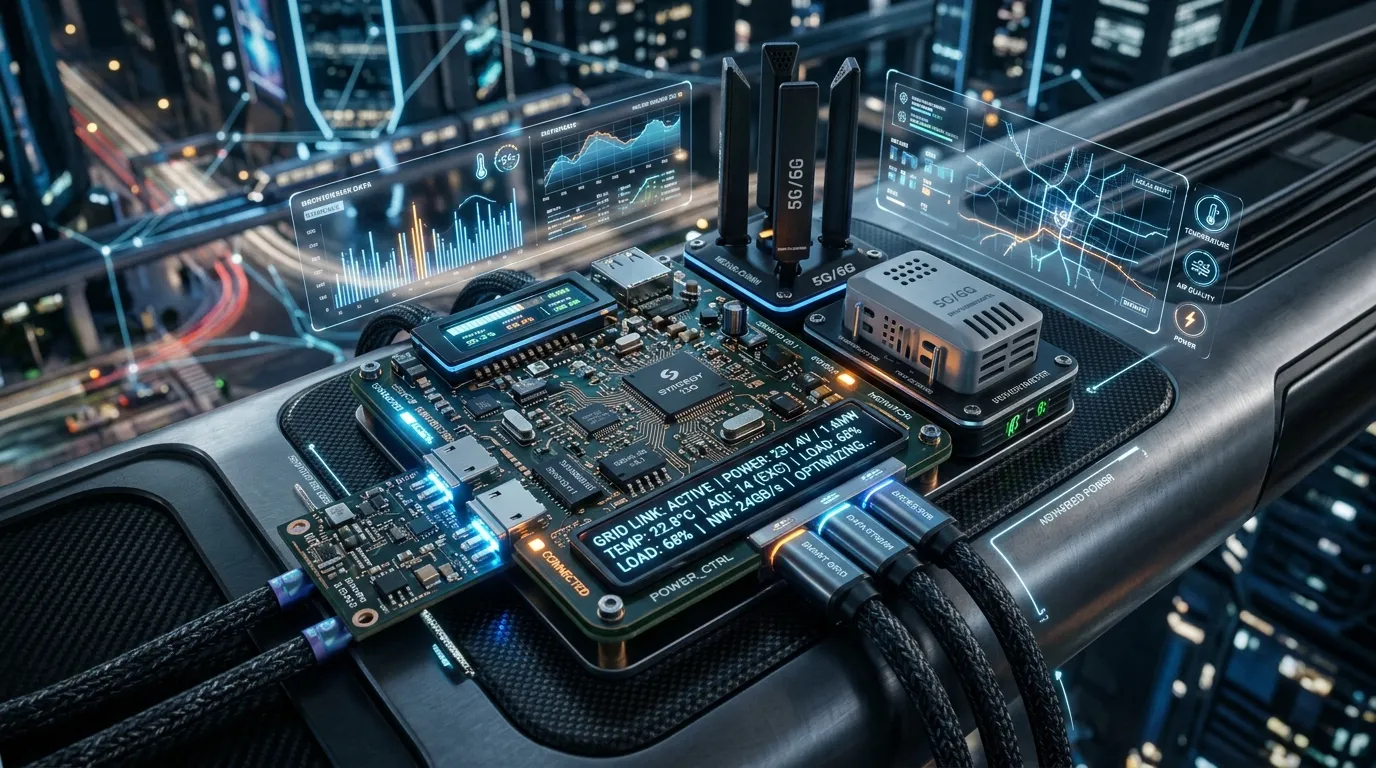
Smart grid systems exemplify CPS in action. Sensors monitor energy flow in real time, while AI algorithms balance supply and demand dynamically to prevent overloads.
Transportation networks are also evolving. Intelligent traffic management systems adjust signals based on congestion patterns, improving urban mobility and reducing emissions.
In manufacturing, CPS enables Industry 4.0 automation. Machines equipped with sensors transmit operational data continuously, allowing predictive maintenance models to anticipate component failure before disruption occurs.
Edge computing plays a critical role in CPS deployment. Instead of sending all data to centralized cloud platforms, local processing reduces latency and ensures rapid response times.
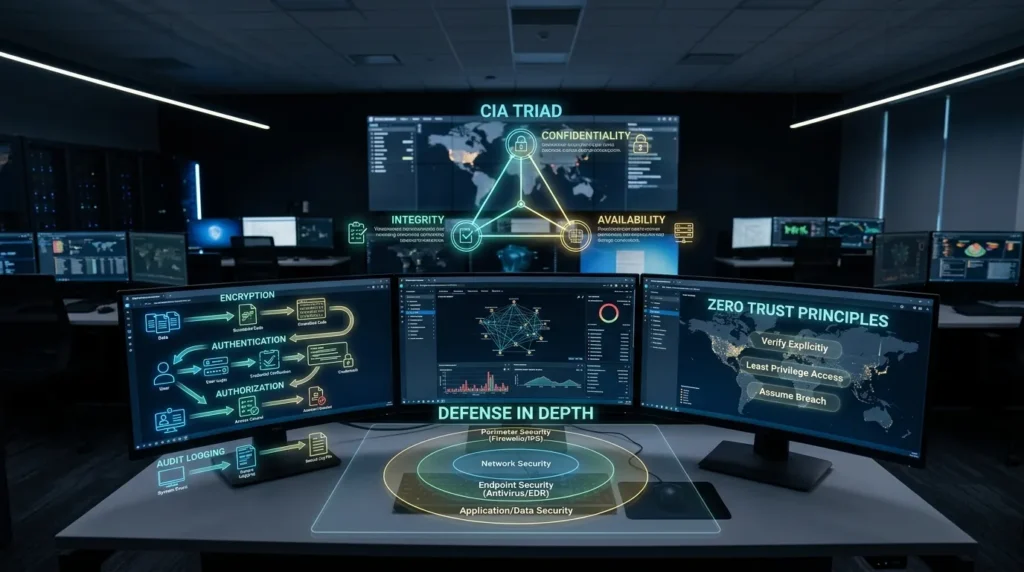
Security considerations are paramount. Because CPS integrates physical infrastructure with digital networks, vulnerabilities can have real-world consequences.
Enterprises deploying CPS must prioritize:
- Network segmentation
- Continuous monitoring
- Firmware integrity validation
- Secure device authentication
Interoperability also presents challenges. Infrastructure systems often involve legacy equipment that must integrate with modern digital layers.
Standardization efforts are underway to improve compatibility across platforms and vendors.
Investment in smart city infrastructure continues to grow as municipalities seek energy efficiency and environmental sustainability improvements.
However, scaling cyber-physical systems requires substantial capital investment and skilled workforce development.
Public-private partnerships are playing an increasing role in funding smart infrastructure projects.
Cyber-physical systems represent a deep tech convergence of hardware engineering, advanced software, and network intelligence.
As urbanization accelerates and industrial digitization expands, CPS will form the backbone of resilient, intelligent infrastructure systems.
The integration of AI-driven control with physical operations marks a new era in infrastructure modernization.
Over the next decade, cyber-physical systems are expected to play a central role in transforming energy distribution, manufacturing automation, and transportation networks worldwide.