

Artificial intelligence is rapidly transitioning from an optional enhancement to a core component of enterprise SaaS product strategy. As competition intensifies and customer expectations evolve, SaaS vendors are embedding AI capabilities directly into workflows, automation engines, and analytics layers to deliver measurable operational value.
Early SaaS platforms focused primarily on digitizing processes. Today, enterprises expect software not only to manage workflows but also to optimize them proactively. AI integration enables predictive insights, intelligent automation, and context-aware recommendations that reduce manual intervention.
Enterprise workflow platforms such as ServiceNow have integrated AI-driven automation into incident management, service routing, and operational prioritization. These capabilities allow organizations to resolve issues more efficiently and allocate resources dynamically.
AI integration within SaaS platforms commonly includes:
- Predictive analytics for operational forecasting
- Intelligent workflow automation
- Natural language search capabilities
- Generative content assistance
- Anomaly detection in transactional systems
Generative AI features are also being embedded into productivity and collaboration tools. Vendors are incorporating AI assistants that draft reports, summarize meetings, and generate insights from structured enterprise data.
Cloud providers such as Microsoft are integrating AI capabilities directly into enterprise ecosystems, accelerating adoption across SaaS platforms.
However, AI integration introduces architectural and governance complexity.
Enterprise buyers now evaluate:
- AI model transparency and explainability
- Data privacy safeguards
- AI workload pricing models
- Model performance monitoring
- Compliance alignment
As AI features often rely on large-scale compute resources, pricing models are shifting toward usage-based billing for AI-specific workloads.
Data security is a major concern. Enterprises require clear documentation outlining how customer data is used for model training and inference.
Vendors must also address model bias risks and ensure continuous performance validation.
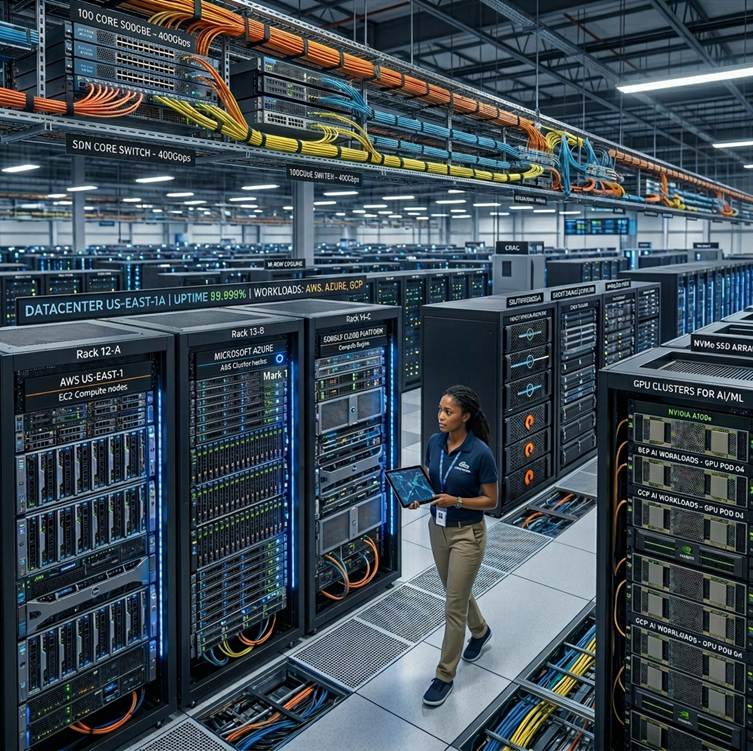
Operationally, AI integration increases infrastructure demand. Vendors must optimize compute efficiency to prevent performance degradation during peak workloads.
From a competitive perspective, AI differentiation is becoming a procurement driver. Enterprises increasingly compare SaaS vendors based on automation depth and predictive accuracy rather than feature quantity alone.
AI adoption also influences retention. Platforms delivering measurable productivity gains through intelligent automation strengthen long-term contract renewal rates.
However, enterprises remain cautious about over-automation. Human oversight and explainability remain critical, particularly in regulated industries.
Vendors that integrate AI responsibly — balancing innovation with governance — are gaining competitive advantage in enterprise markets.
As digital transformation deepens, AI functionality is shifting from marketing differentiator to operational necessity.
SaaS platforms that fail to embed intelligent capabilities risk commoditization, while those that deliver tangible automation value strengthen their strategic position.
AI integration is no longer experimental in enterprise SaaS — it is redefining product roadmaps, pricing strategies, and competitive positioning across the industry.