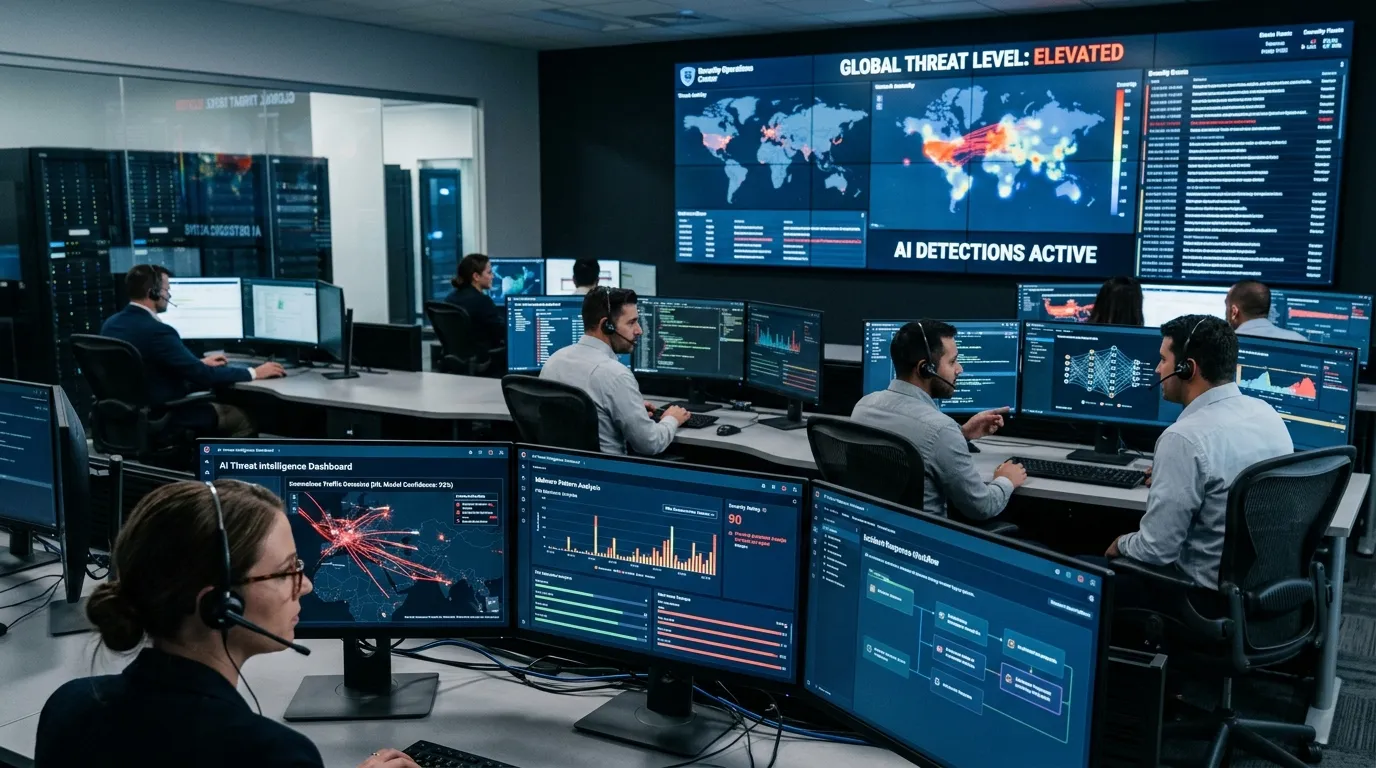

Artificial intelligence is rapidly transforming cybersecurity operations as organizations confront increasingly sophisticated and automated cyber threats. Traditional security systems, built around static rules and signature based detection, struggle to keep pace with evolving attack techniques. AI powered threat detection is emerging as a critical capability for modern security operations centers (SOCs).
Cyberattacks today are faster, more targeted, and often driven by automation. Attackers leverage AI to identify vulnerabilities, generate phishing campaigns, and bypass conventional defenses. In response, defenders are deploying machine learning systems capable of analyzing vast volumes of data in real time to identify anomalies and potential threats.
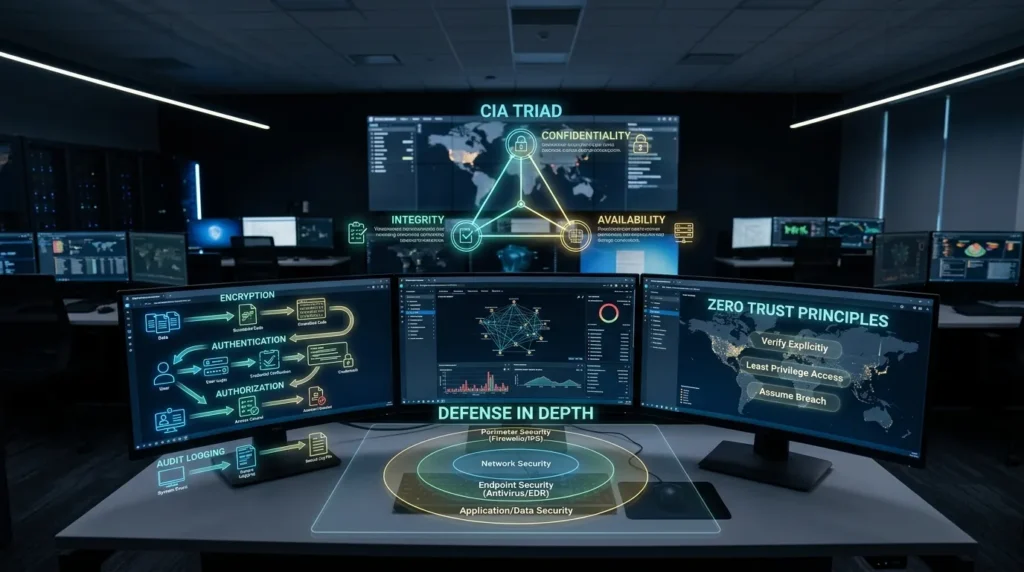
AI-driven security platforms monitor network traffic, user behavior, endpoint activity, and application logs simultaneously. By establishing behavioral baselines, these systems detect deviations that may signal malicious activity. Unlike traditional rule based systems, AI models adapt continuously as new data is processed.
Security vendors such as CrowdStrike and Darktrace have integrated machine learning into endpoint detection and network monitoring solutions, enabling proactive threat identification.
Core capabilities of AI powered cybersecurity include:
- Real-time anomaly detection
- Automated incident prioritization
- Predictive threat intelligence
- Behavioral analytics
- Rapid containment recommendations
One of the primary advantages of AI driven systems is speed. Security teams often face overwhelming volumes of alerts. AI helps filter noise by prioritizing high risk events, reducing alert fatigue and enabling faster response.
Endpoint protection has become a central application area. As employees access systems remotely, endpoints serve as common entry points for attackers. AI powered endpoint detection and response (EDR) tools monitor device activity continuously, identifying suspicious behaviors such as unusual file modifications or unauthorized privilege escalation.
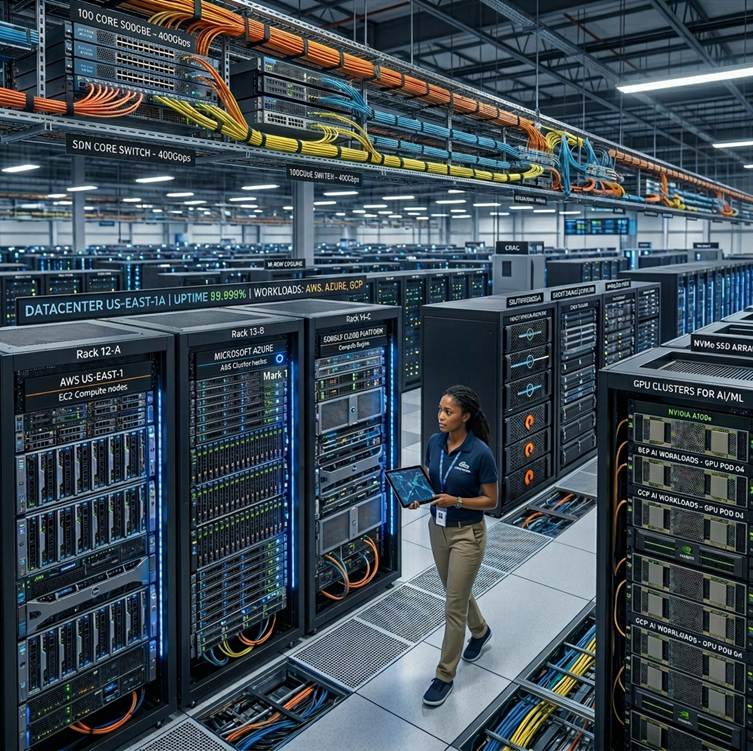
Cloud environments further increase monitoring complexity. Workloads distributed across platforms like Amazon Web Services and Microsoft Azure generate massive event logs. AI driven cloud security platforms analyze these logs to detect configuration anomalies and unauthorized access attempts.
Despite its advantages, AI in cybersecurity presents challenges. Machine learning models require high quality data for accurate analysis. Poor data inputs may result in false positives or missed threats.
Transparency is another concern. Complex AI models may operate as “black boxes,” making it difficult for analysts to understand why specific alerts were triggered. Explainable AI techniques are being integrated to enhance interpretability.
Adversarial attacks also represent a growing risk. Threat actors may attempt to manipulate AI systems by feeding misleading data. Continuous model validation is essential to maintain effectiveness.
Key challenges in AI powered security include:
- Data quality management
- Model bias mitigation
- Continuous algorithm updates
- Skilled workforce requirements
- Integration with legacy systems
Human oversight remains critical. AI enhances detection capabilities, but skilled analysts are required to interpret alerts, validate incidents, and implement remediation strategies.
AI is also improving threat intelligence sharing. By analyzing global threat patterns, systems can predict emerging attack vectors and proactively strengthen defenses.
Industry experts emphasize that AI does not replace cybersecurity professionals but augments their capabilities. Automation handles repetitive analysis tasks, allowing analysts to focus on complex investigations.
As digital infrastructure expands and cyber threats grow more advanced, AI powered detection is becoming essential to maintain resilience.
Organizations that integrate AI into cybersecurity operations gain faster detection cycles, improved response times, and stronger defense against evolving threats.
AI driven security represents a shift from reactive incident response to predictive threat prevention redefining how enterprises protect digital ecosystems in an increasingly automated threat landscape.