

As cyber threats continue to evolve in scale and sophistication, organizations are redefining success in cybersecurity. Rather than focusing solely on prevention, enterprises are increasingly prioritizing cyber resilience — the ability to withstand, respond to, and recover from security incidents while maintaining business continuity.
No organization can guarantee complete immunity from cyberattacks. Phishing campaigns, ransomware operations, insider threats, and supply chain vulnerabilities remain persistent risks. As a result, security leaders are shifting from a purely defensive mindset to a resilience-driven strategy.
Cyber resilience integrates cybersecurity controls with business continuity planning (BCP) and disaster recovery frameworks. The goal is to minimize operational disruption and protect critical functions even during active incidents.
Technology providers such as IBM and Cisco offer integrated security and recovery solutions that combine threat detection with automated response and system restoration capabilities.
Key pillars of cyber resilience include:
- Proactive threat detection
- Incident response preparedness
- Data backup and recovery systems
- Redundant infrastructure
- Crisis communication planning
Incident response planning plays a central role. Organizations develop structured playbooks outlining steps to contain threats, communicate with stakeholders, and restore services. Clear role definitions ensure rapid coordination during high-pressure situations.
Backup strategies have evolved significantly. Secure, offline backups protect against ransomware encryption. Regular testing of backup integrity ensures recoverability when needed.
Cloud infrastructure supports resilience through multi-region deployment and automated failover mechanisms. Platforms such as Amazon Web Services enable geographic redundancy, allowing applications to continue operating even if one data center experiences disruption.
Redundancy extends beyond infrastructure. Organizations diversify vendors and establish alternative communication channels to maintain operations during outages.
Business impact assessments help prioritize critical systems. Not all services require identical recovery timelines. By identifying high-priority assets, organizations allocate resources strategically.
Cyber resilience also incorporates regulatory considerations. Many compliance frameworks require documented recovery procedures and timely incident reporting.
Tabletop exercises and simulated cyberattack drills strengthen preparedness. These exercises expose procedural gaps and improve coordination across departments.
Key challenges in building resilience include:
- Balancing recovery investment with budget constraints
- Maintaining up-to-date incident response plans
- Coordinating across technical and executive teams
- Managing reputational impact during incidents
Communication strategy is often underestimated. Transparent and timely communication with customers, regulators, and partners can mitigate reputational damage during incidents.
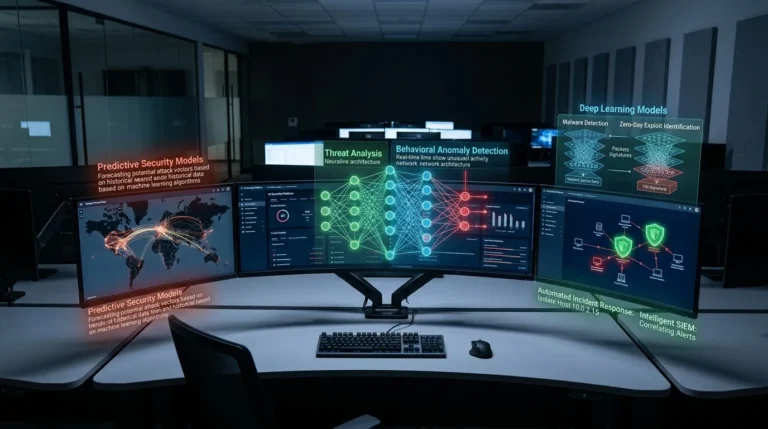
Artificial intelligence enhances resilience efforts. Automated containment systems isolate compromised endpoints immediately upon detection, reducing spread.
Supply chain resilience further strengthens security posture. Ensuring vendors maintain robust recovery capabilities reduces systemic risk.
Industry analysts emphasize that resilience is now a competitive differentiator. Customers and investors increasingly evaluate organizations based on their ability to manage cyber risk effectively.
As digital transformation accelerates, downtime carries significant financial consequences. Continuous service availability has become an expectation.
Cyber resilience does not eliminate risk but transforms how organizations manage it. Preparedness, redundancy, and rapid recovery capabilities define modern security maturity.
In today’s interconnected environment, cybersecurity is not merely about defense — it is about ensuring continuity under pressure.
Organizations that embed resilience into strategy strengthen stakeholder trust and position themselves for long-term operational stability.
Cyber resilience and business continuity planning now stand at the center of modern cybersecurity frameworks — redefining how enterprises safeguard digital operations in an unpredictable threat landscape.