
For many enterprises, the greatest barrier to digital transformation is not lack of vision — it is legacy infrastructure. Decades-old systems, monolithic applications, and tightly coupled architectures often limit innovation, slow product development cycles, and increase operational risk.
Legacy modernization has therefore become a central pillar of enterprise transformation strategy.
Older systems frequently lack API connectivity, cloud scalability, and real-time analytics capabilities. They may also require specialized maintenance skills that are increasingly scarce.
Modernization initiatives aim to replace or refactor these systems to align with cloud-native, modular, and automated architectures.
Technology ecosystems such as Microsoft and IBM offer modernization frameworks and migration services designed to support incremental system transformation.
Common modernization strategies include:
- Application refactoring into microservices
- Containerization and orchestration adoption
- API layer implementation
- Data migration to centralized cloud platforms
- Gradual decommissioning of legacy hardware
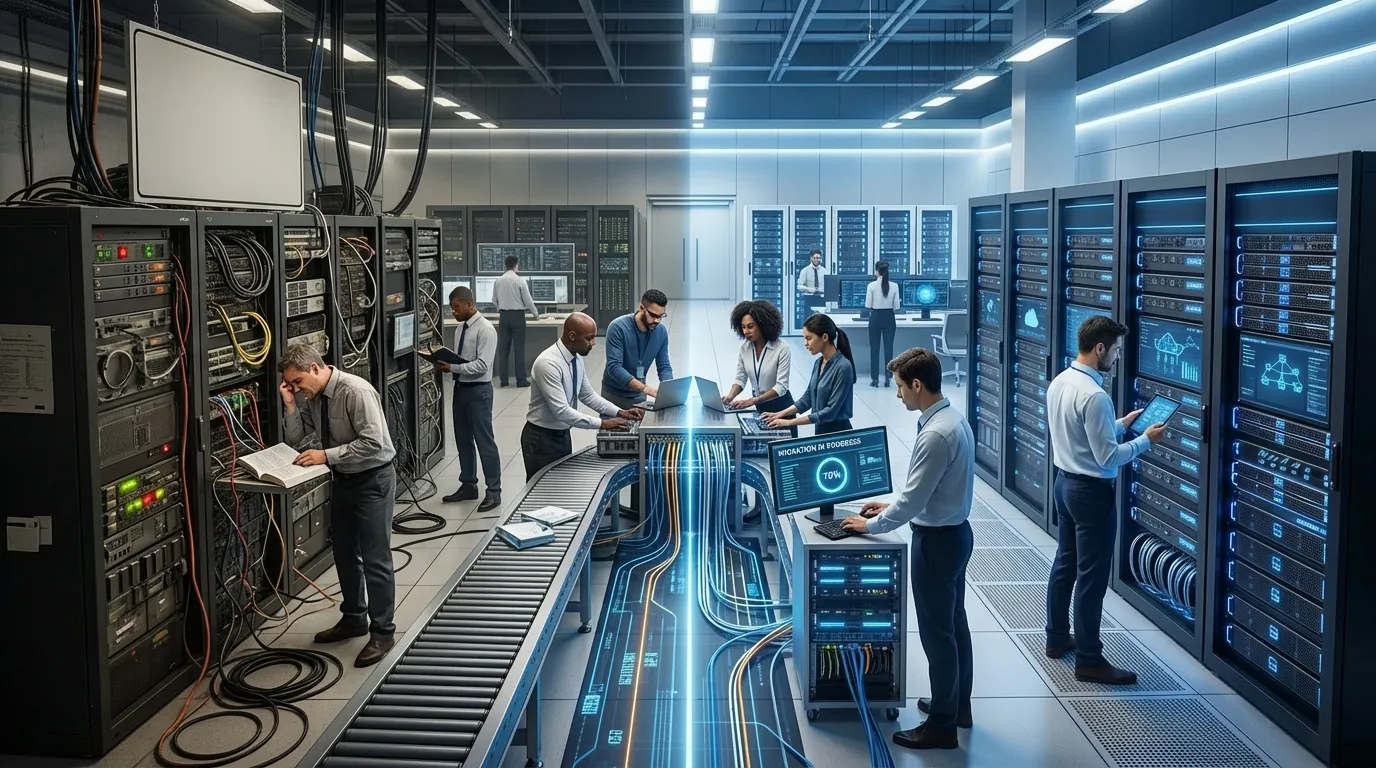
Rather than fully replacing systems in a single transition, enterprises often pursue phased modernization.
Strangler-pattern architectures allow new digital services to gradually replace legacy components without disrupting operations.
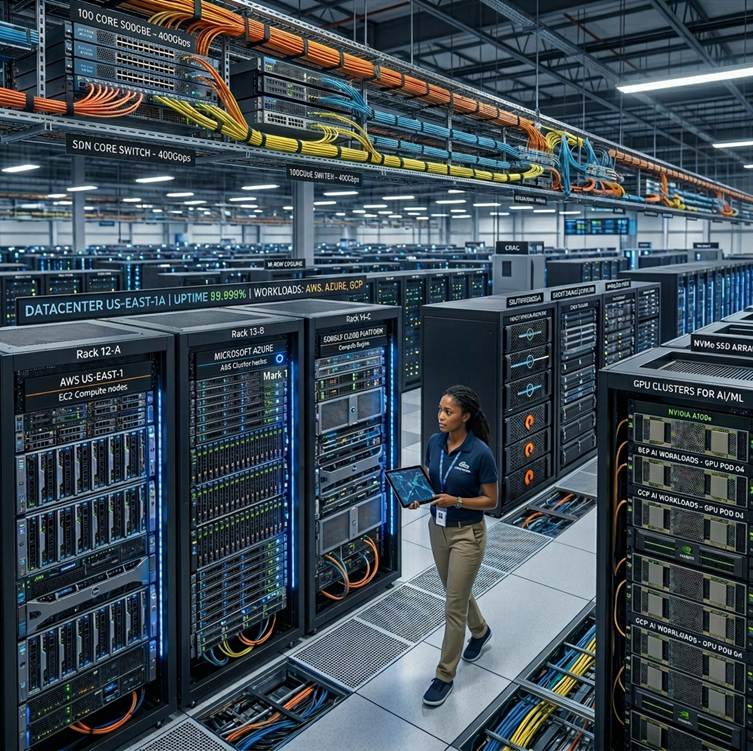
Containerization platforms enable legacy applications to run within cloud-compatible environments, extending system lifespan while preparing for eventual migration.
Technical debt — accumulated inefficiencies and outdated code — is a major concern. As enterprises postpone upgrades, maintenance costs increase and agility declines.
Digital transformation leaders increasingly allocate dedicated budgets for technical debt reduction.
Benefits of modernization include:
- Improved system scalability
- Faster deployment cycles
- Enhanced cybersecurity resilience
- Lower infrastructure maintenance costs
- Better integration with AI and analytics tools
However, modernization projects are complex and resource-intensive.
Key challenges include:
- Business continuity risks during migration
- Integration with legacy data structures
- Organizational resistance to system changes
- Budget allocation constraints
Executive alignment is essential. Modernization must be viewed as strategic investment rather than operational expense.
Hybrid architectures are often maintained during transition periods. Enterprises balance stability of legacy systems with agility of cloud-native platforms.
Data migration presents additional risk. Ensuring data accuracy and compliance during transfer requires rigorous validation processes.
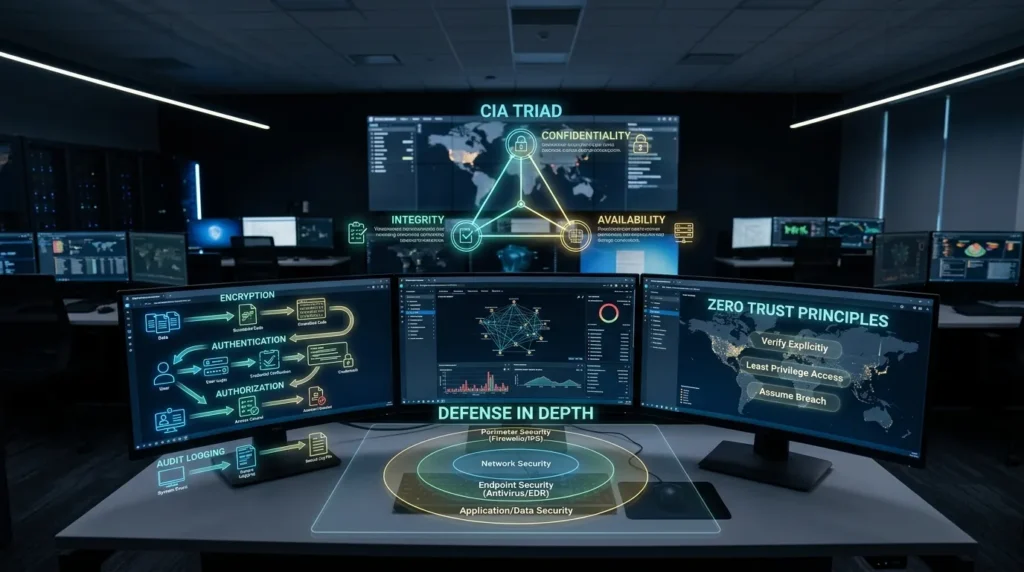
Security improvements are a major modernization driver. Legacy systems may lack modern encryption standards and monitoring capabilities.
Cloud-native infrastructure improves disaster recovery capabilities and reduces single points of failure.
Agile development methodologies support iterative modernization, allowing teams to test and refine components incrementally.
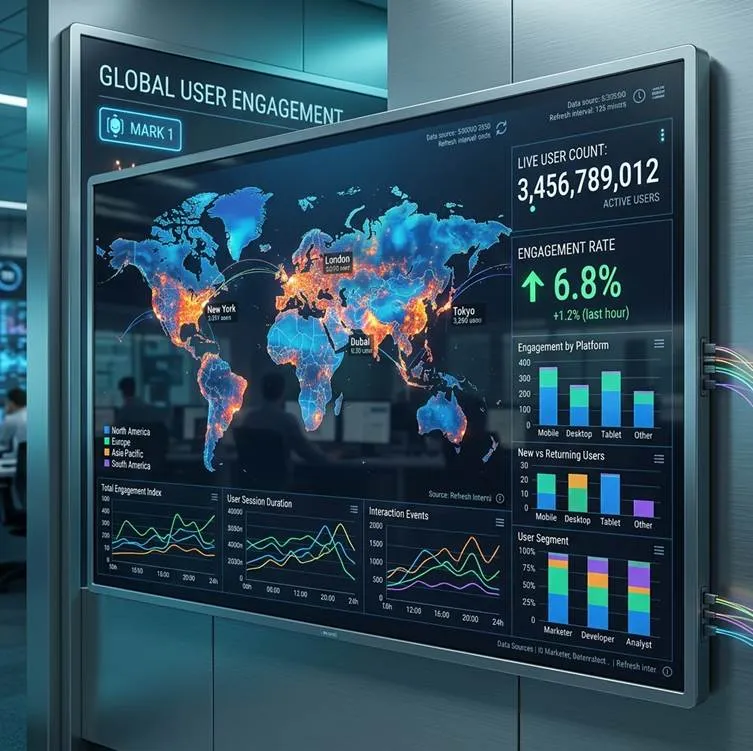
Performance measurement frameworks evaluate:
- Deployment cycle reduction
- Infrastructure cost savings
- Downtime frequency decrease
- System integration speed
Legacy modernization also supports broader transformation goals, including AI adoption and advanced analytics integration.
Without modernized infrastructure, AI deployment often encounters scalability constraints.
Enterprises that proactively reduce technical debt gain operational flexibility and faster innovation cycles.
In competitive markets, outdated systems create bottlenecks that hinder growth and digital responsiveness.
Modernization is not merely a technical refresh — it is a foundational enabler of enterprise agility.
As digital transformation expands into every business function, legacy system modernization becomes a prerequisite for sustainable progress.
Organizations that strategically address technical debt position themselves for long-term resilience and scalability.