

In traditional analytics environments, data was collected, stored, and analyzed in batches. Reports were generated daily, weekly, or monthly. While this approach worked for many operational needs, it often limited responsiveness. In today’s fast-moving digital economy, waiting hours or days for insights can mean missed opportunities or delayed reactions to emerging risks.
Real-time analytics addresses this challenge by processing and analyzing data as it is generated. Instead of relying solely on historical snapshots, organizations gain immediate visibility into events as they unfold.
Streaming data is at the heart of real-time analytics. Modern systems generate continuous data streams from websites, mobile applications, IoT sensors, financial transactions, and connected devices. Each click, swipe, purchase, or sensor reading contributes to an ongoing flow of information.
Real-time analytics platforms capture this streaming data and analyze it instantly, often within milliseconds. This enables organizations to take immediate action.
For example, in financial services, fraud detection systems analyze transactions in real time. If a suspicious pattern emerges, the transaction can be blocked immediately, preventing financial loss. In e-commerce, recommendation engines update product suggestions dynamically based on current browsing behavior. In manufacturing, IoT sensors detect equipment anomalies and trigger maintenance alerts before breakdowns occur.
The architecture behind real-time analytics differs from traditional batch processing systems. Streaming platforms such as Apache Kafka ingest high-velocity data streams reliably and distribute them across processing systems. Processing frameworks analyze the data continuously, identifying patterns, anomalies, or predefined triggers.
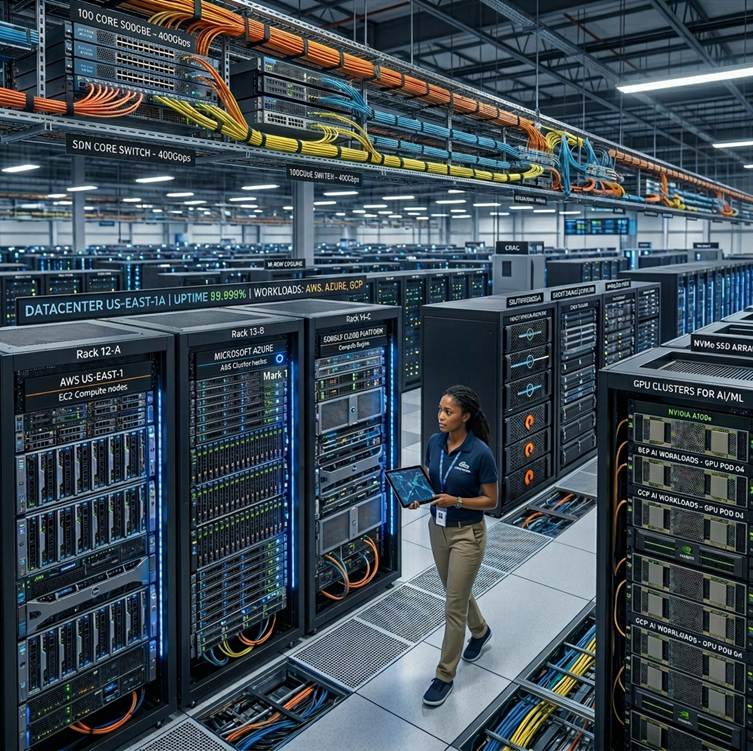
Cloud infrastructure plays a significant role in enabling scalability. Platforms like Amazon Web Services provide managed streaming and analytics services that can scale automatically based on workload demands. This flexibility ensures that systems can handle traffic spikes without performance degradation.
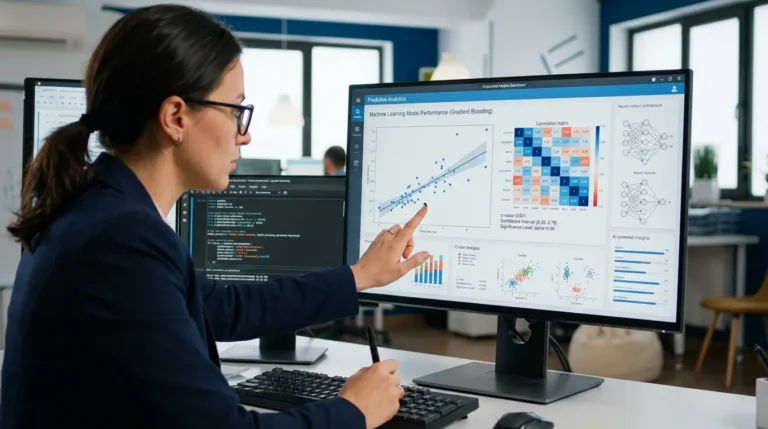
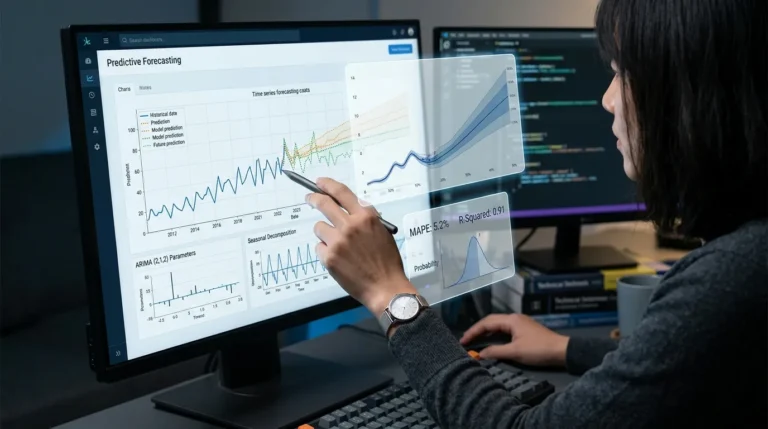
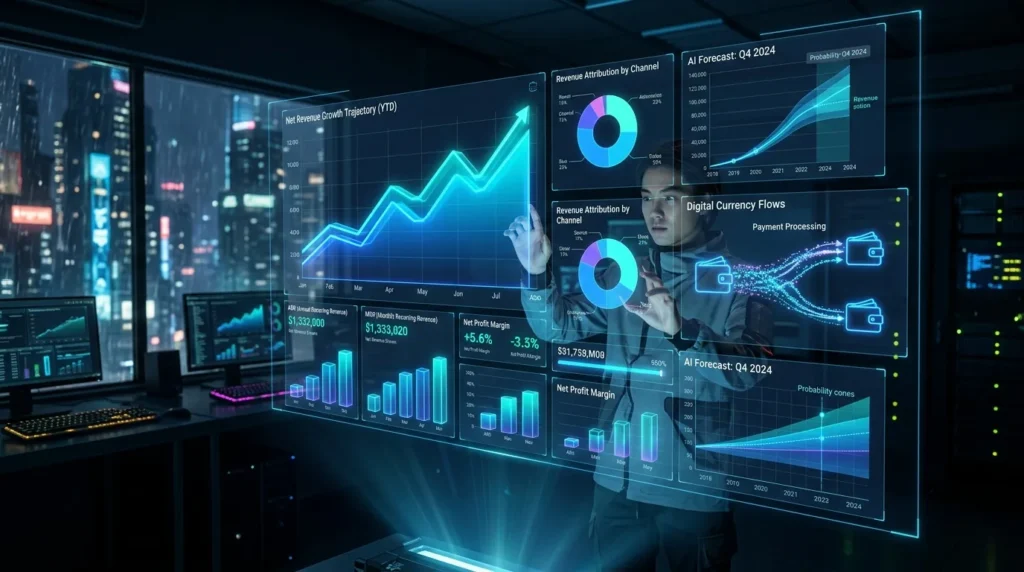
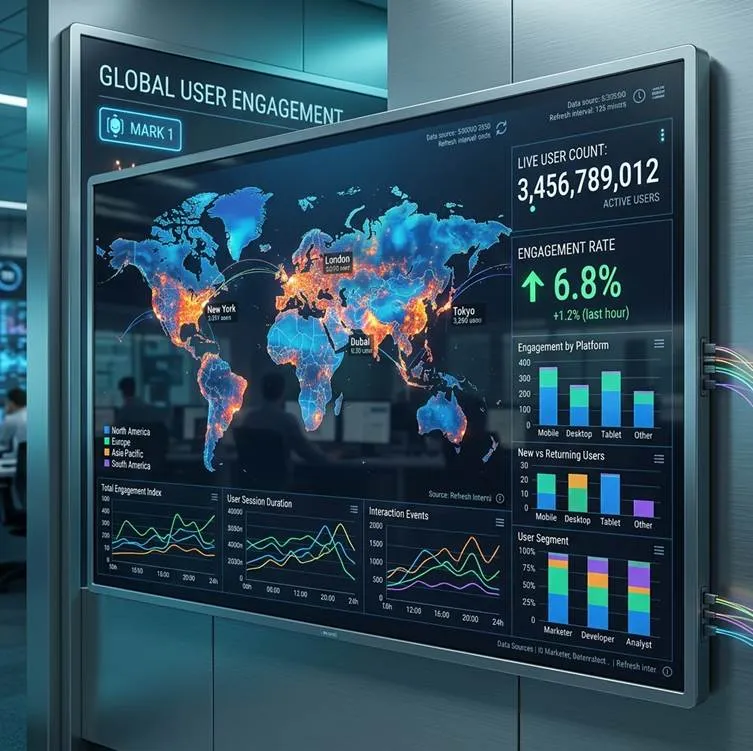
Real-time dashboards complement streaming analytics by presenting live metrics visually. Operations teams monitor system health, marketing teams track campaign performance, and logistics managers oversee supply chain movements — all in real time.
Key components of real-time analytics include:
- Streaming data ingestion platforms
- Event-driven processing engines
- Scalable cloud infrastructure
- Low-latency storage systems
- Live dashboards and monitoring tools
Despite its advantages, implementing real-time analytics introduces challenges. High data velocity requires robust infrastructure capable of handling constant input. Latency must be minimized to maintain immediate responsiveness.
Data accuracy is equally critical. Streaming systems must validate and process data quickly without compromising quality. Error handling and fault tolerance mechanisms ensure reliability even during system failures.
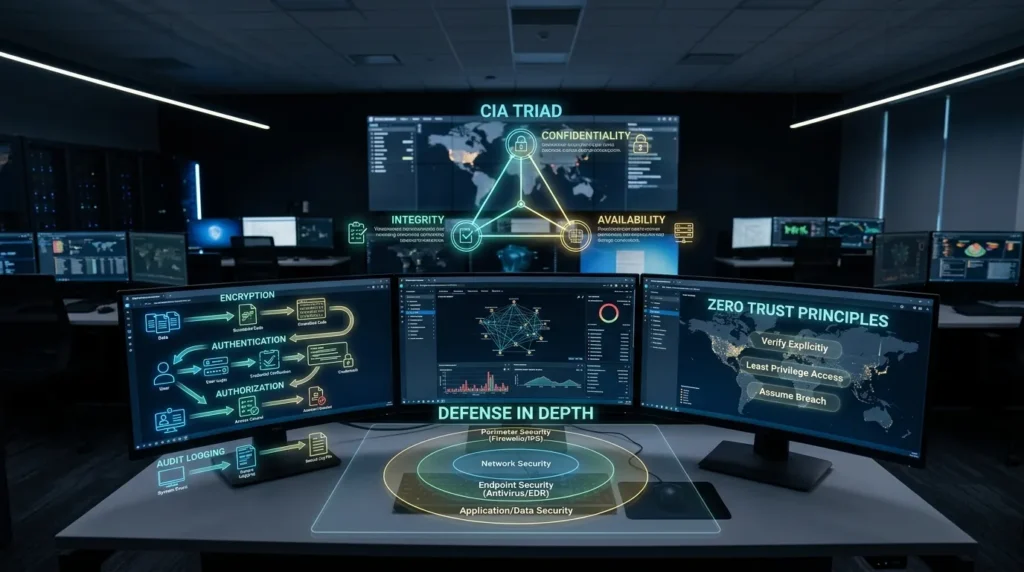
Security considerations also become more complex. Continuous data flows increase exposure to potential breaches. Encryption and access controls must operate efficiently without slowing processing speed.
Another challenge lies in determining when real-time analytics is truly necessary. Not all business decisions require instant insight. Overusing real-time systems can increase infrastructure costs without proportional benefit. Organizations must identify use cases where immediate action creates measurable value.
When applied strategically, real-time analytics provides significant competitive advantages. Companies can respond instantly to market fluctuations, personalize customer experiences dynamically, and prevent operational disruptions proactively.
The shift toward real-time data reflects broader digital transformation trends. Customers expect immediate responses. Markets evolve rapidly. Supply chains operate globally across time zones. Real-time insight enables organizations to keep pace.
Ultimately, real-time analytics moves businesses from reactive decision-making to immediate adaptability. Instead of analyzing yesterday’s performance, leaders act on today’s signals.
In an increasingly connected world, the ability to process streaming data instantly is not just an operational enhancement — it is a strategic imperative. nsights visually is not just a technical skill — it is a strategic capability.