

rganizations are increasingly shifting from traditional batch reporting to real-time analytics as demand grows for immediate insight and rapid decision-making. In fast-moving digital environments, waiting hours or days for data reports can create competitive disadvantages. Real-time analytics powered by streaming data technologies is redefining modern business intelligence.
Historically, enterprises relied on structured data pipelines that processed information in scheduled batches. While effective for historical analysis, this approach limited responsiveness. Today, companies require up-to-the-minute visibility into operational performance, customer behavior, and system health.
Streaming data platforms enable continuous ingestion and analysis of data as it is generated. Transactions, sensor readings, website interactions, and financial updates can be processed instantly, allowing immediate action.
Technology providers such as Confluent and Databricks offer scalable platforms that support high-throughput data streaming and real-time analytics processing.
Key applications of real-time analytics include:
- Fraud detection in financial transactions
- Dynamic pricing optimization
- Real-time supply chain monitoring
- Customer behavior tracking
- IT performance and security monitoring
Financial institutions use streaming analytics to detect suspicious transactions within milliseconds, reducing fraud risk. Retailers adjust pricing dynamically based on demand signals and inventory levels.
IoT ecosystems further amplify the importance of streaming analytics. Manufacturing equipment, smart devices, and connected vehicles continuously generate data that must be processed immediately to ensure safety and efficiency.
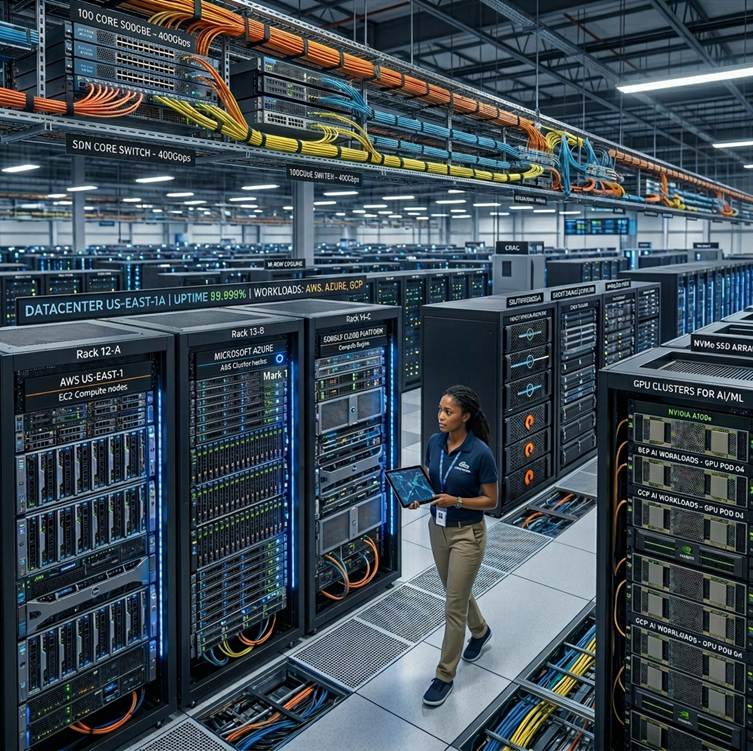
Cloud infrastructure plays a central role in scaling streaming analytics. Platforms such as Google Cloud and Amazon Web Services offer managed streaming services integrated with analytics and storage environments.
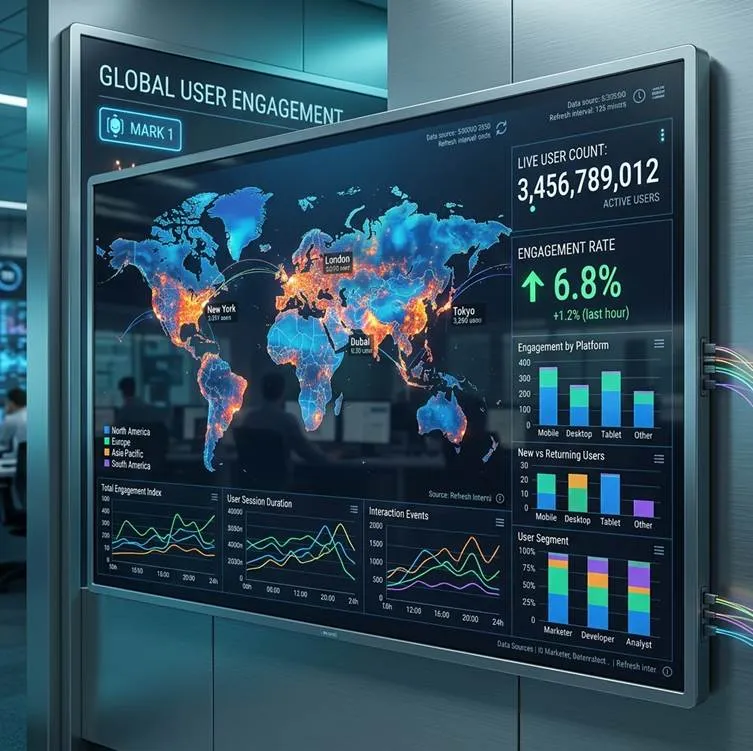
Real-time dashboards provide executives and operational teams with continuous visibility into performance metrics. This enhances situational awareness and supports rapid response.
However, implementing streaming analytics introduces architectural complexity. Data ingestion pipelines must handle high volumes reliably while maintaining low latency.
Data quality remains critical. Inaccurate real-time data can propagate errors quickly. Validation mechanisms and anomaly detection tools help maintain accuracy.
Security considerations also intensify. Streaming systems process sensitive information continuously, requiring encryption and strict access controls.
Key challenges in real-time analytics adoption include:
- Managing infrastructure scalability
- Ensuring consistent data governance
- Integrating streaming with legacy systems
- Controlling operational costs
Organizations often adopt hybrid architectures that combine real-time streaming for operational decisions with batch processing for historical analysis.
Machine learning integration enhances streaming capabilities. Predictive models analyze live data feeds to generate actionable recommendations automatically.
Workforce skills must evolve alongside technology. Data engineers and analytics professionals require expertise in distributed systems and stream processing frameworks.
Industry observers note that real-time analytics increasingly differentiates market leaders. Companies capable of reacting instantly to changing conditions outperform slower competitors.
Customer expectations further reinforce this trend. Consumers expect immediate service updates, personalized recommendations, and rapid issue resolution.
Streaming analytics transforms business intelligence from retrospective reporting to proactive strategy.
As digital interactions accelerate, enterprises that invest in scalable streaming architectures gain improved agility, reduced risk exposure, and stronger competitive positioning.
Real-time analytics is no longer optional in high-velocity markets — it has become foundational to modern data-driven operations.