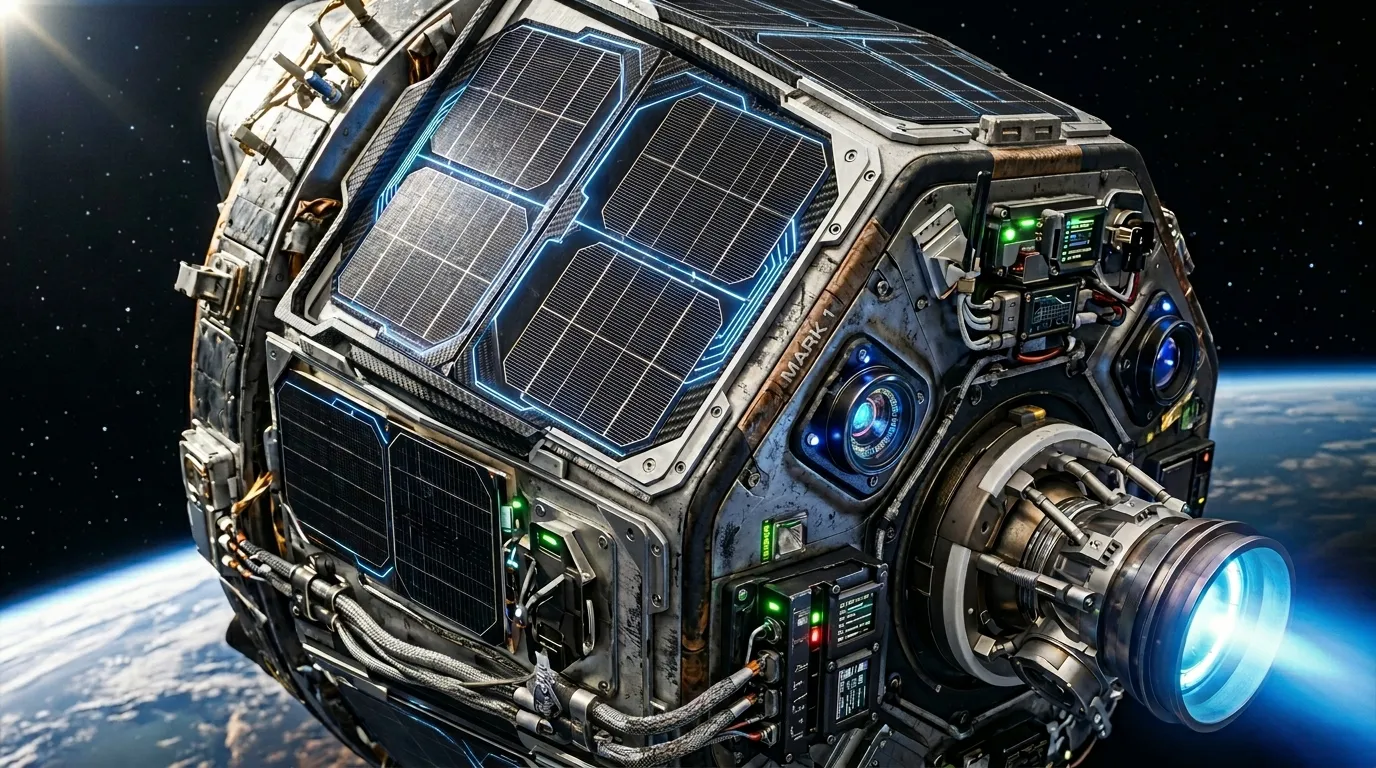

Space technology is undergoing a profound transformation. What was once the exclusive domain of national space agencies is now increasingly driven by private enterprises, startups, and commercial partnerships. Advances in propulsion systems, satellite miniaturization, reusable rockets, and deep-space exploration are accelerating the commercialization of space.
For decades, space exploration was primarily government-led. Agencies such as NASA focused on scientific missions, lunar exploration, and satellite deployment. Today, private companies play a major role in expanding access to space and developing commercially viable applications.
Reusable rocket technology has been a major breakthrough. Companies like SpaceX have demonstrated that rockets can land and be reused, dramatically reducing launch costs. Lower costs enable more frequent missions and open opportunities for commercial satellite deployment, research, and even tourism.
Satellite technology has also evolved significantly. Small satellites — often referred to as CubeSats — are lighter, cheaper, and easier to deploy than traditional systems. These satellites power communication networks, climate monitoring, navigation systems, and Earth observation services.
Companies such as Blue Origin are investing in space tourism and long-term infrastructure development, envisioning future habitats and research facilities beyond Earth.
Key domains within modern space technology include:
- Reusable launch systems
- Satellite communication networks
- Earth observation and climate monitoring
- Space tourism
- Deep-space exploration
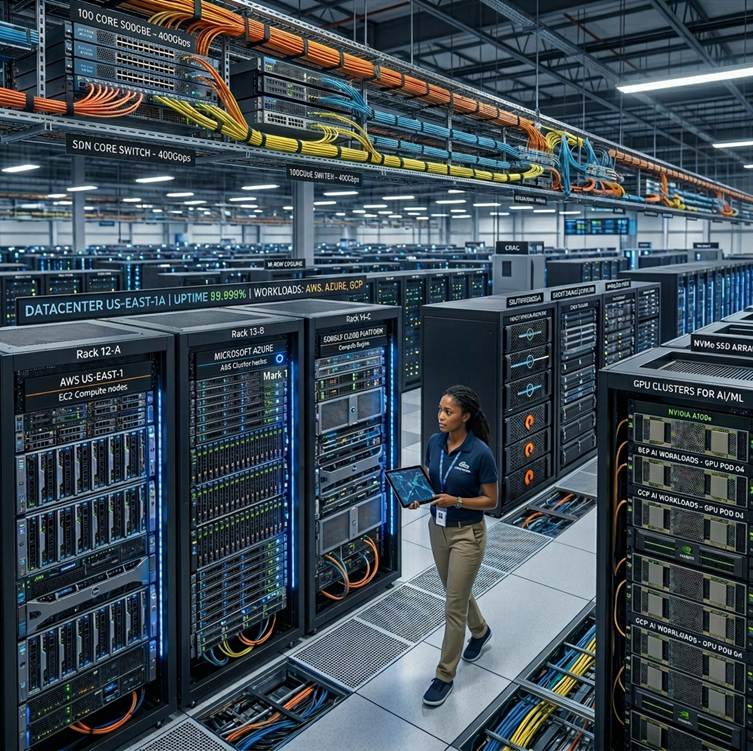
Commercial satellite networks provide global internet connectivity, particularly in remote areas lacking traditional infrastructure. These systems improve access to information and digital services worldwide.
Earth observation satellites contribute significantly to environmental sustainability. High-resolution imaging enables monitoring of deforestation, climate change, agricultural productivity, and disaster response efforts.
Beyond Earth orbit, space agencies and private firms are exploring lunar missions and potential Mars expeditions. Long-term goals include establishing sustainable off-world habitats and resource utilization systems.
However, space technology faces significant challenges.
Launch risks remain high, and failures can be costly. Regulatory frameworks must manage orbital traffic to prevent satellite collisions and space debris accumulation. The increasing number of satellites raises concerns about congestion and long-term sustainability of orbital environments.
Space cybersecurity is also an emerging issue. Satellite systems are critical infrastructure components, supporting navigation and communication. Protecting them from cyber threats is essential.
Economic sustainability remains a key question. While launch costs have decreased, long-term profitability depends on scalable business models and demand for space-based services.
International collaboration plays an important role. Space exploration often involves cross-border partnerships, shared research, and cooperative agreements.
Technological convergence amplifies impact. AI enhances satellite image analysis. Advanced materials improve spacecraft durability. Quantum communication research explores ultra-secure space-based transmission systems.
The commercial space sector represents a deep tech frontier where engineering, physics, and computational science intersect. Innovation cycles are accelerating as private capital and government investment align.
Ultimately, space technology extends humanity’s reach beyond Earth while providing tangible benefits on the ground. Communication, navigation, environmental monitoring, and scientific research all rely on space infrastructure.
As commercialization expands, space will transition from exploration frontier to economic ecosystem — opening new industries and redefining technological ambition.