

As enterprises expand digital ecosystems through cloud services, SaaS platforms, and external partnerships, cybersecurity risk is no longer confined to internal networks. Supply chain and third-party cyber risk have become major concerns for executive leadership, as vulnerabilities within vendor ecosystems can expose organizations to significant operational and reputational damage.
Modern enterprises rely on interconnected digital services. Payment processors, logistics partners, software vendors, cloud providers, and managed service providers all integrate into enterprise systems. While these partnerships enhance efficiency and innovation, they also introduce additional risk exposure.
High-profile cyber incidents involving third-party vendors have demonstrated how a vulnerability outside an organization’s direct control can impact thousands of downstream clients. Attackers increasingly target suppliers and software providers as indirect entry points into larger networks.
Security firms such as FireEye and CrowdStrike emphasize the importance of continuous vendor risk assessment and threat monitoring across supply chains.
Key risk areas in supply chain cybersecurity include:
- Software vulnerabilities in vendor platforms
- Compromised update mechanisms
- Excessive third-party access privileges
- Insufficient vendor security controls
- Lack of visibility into subcontractors
One of the most complex challenges is limited transparency. Organizations often lack full visibility into how vendors manage their own cybersecurity practices. A partner’s security weakness can become an enterprise vulnerability.
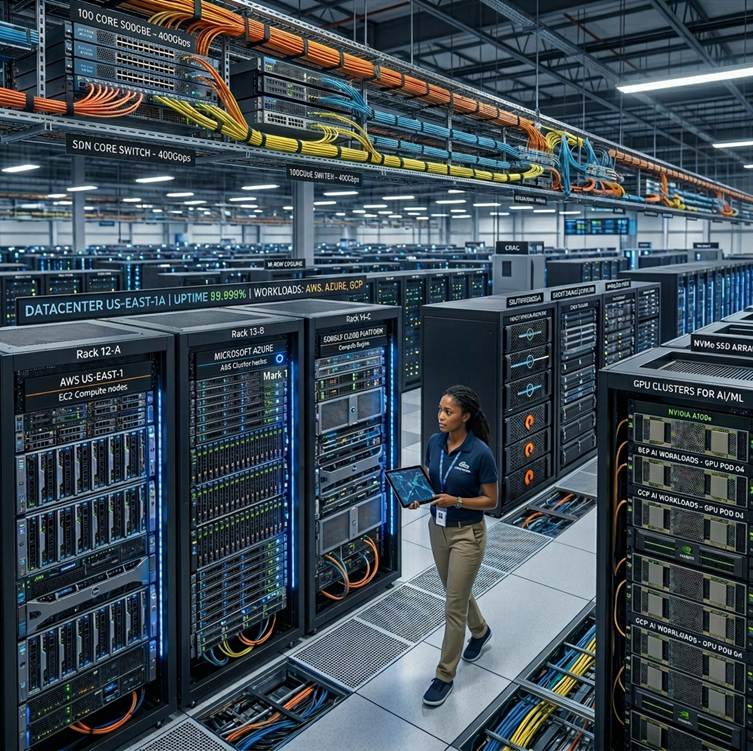
Cloud platforms such as Amazon Web Services and Microsoft Azure provide secure infrastructure frameworks, but responsibility for vendor access governance still rests with enterprises.
Third-party access management has become a priority. Vendors frequently require privileged access to systems for maintenance and integration. Without strict access controls and monitoring, these accounts may become entry points for attackers.
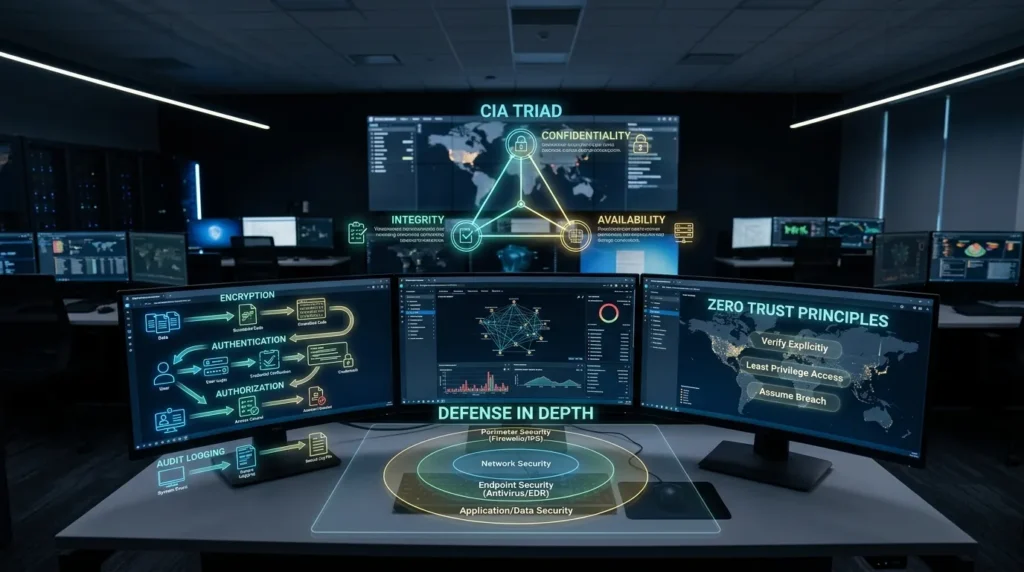
Zero Trust frameworks are increasingly applied to third-party relationships. Access is granted based on least-privilege principles, and activity is monitored continuously.
Vendor risk management programs typically include:
- Security questionnaires and audits
- Contractual security obligations
- Continuous monitoring of vendor threat exposure
- Incident reporting requirements
- Access control enforcement
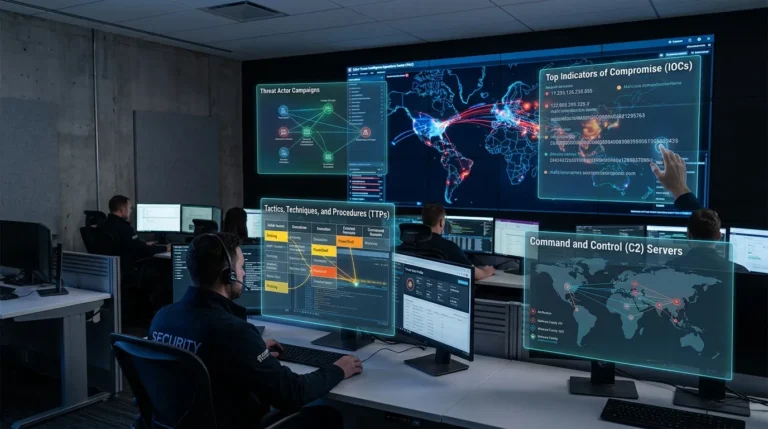
Automated tools now assess vendor security posture using threat intelligence feeds and public risk indicators. Continuous evaluation replaces periodic assessments, allowing organizations to detect emerging risks in real time.
Regulatory expectations are also evolving. Data protection laws increasingly require organizations to ensure third-party compliance with security standards. Failure to manage vendor risk can result in financial penalties and reputational harm.
Supply chain attacks have grown more sophisticated. Attackers may insert malicious code into legitimate software updates or exploit weaknesses in widely used platforms. These attacks can spread rapidly before detection.
Key challenges in managing supply chain risk include:
- Complex multi-tier vendor networks
- Limited transparency into subcontractors
- Balancing collaboration with security controls
- Monitoring vendor compliance continuously
Incident response planning must account for third-party scenarios. Clear communication channels with vendors ensure coordinated response during security events.
Board-level awareness of supply chain risk has increased significantly. Executives recognize that cybersecurity resilience extends beyond internal defenses.
Organizations are adopting more rigorous vendor onboarding processes, requiring demonstration of security certifications and compliance adherence before integration.
Despite enhanced awareness, eliminating supply chain risk entirely is unrealistic. Instead, enterprises focus on risk reduction and rapid response capabilities.
Collaborative information sharing between organizations further strengthens collective defense. Industry groups and cybersecurity alliances share intelligence on emerging threats targeting vendor ecosystems.
Supply chain cybersecurity represents a shift in defensive thinking — from isolated enterprise protection to ecosystem-wide resilience.
As digital partnerships continue expanding, proactive vendor governance, continuous monitoring, and Zero Trust access controls will remain central to safeguarding interconnected systems.
Cybersecurity maturity increasingly depends not only on internal safeguards but also on the strength of the broader digital supply chain.