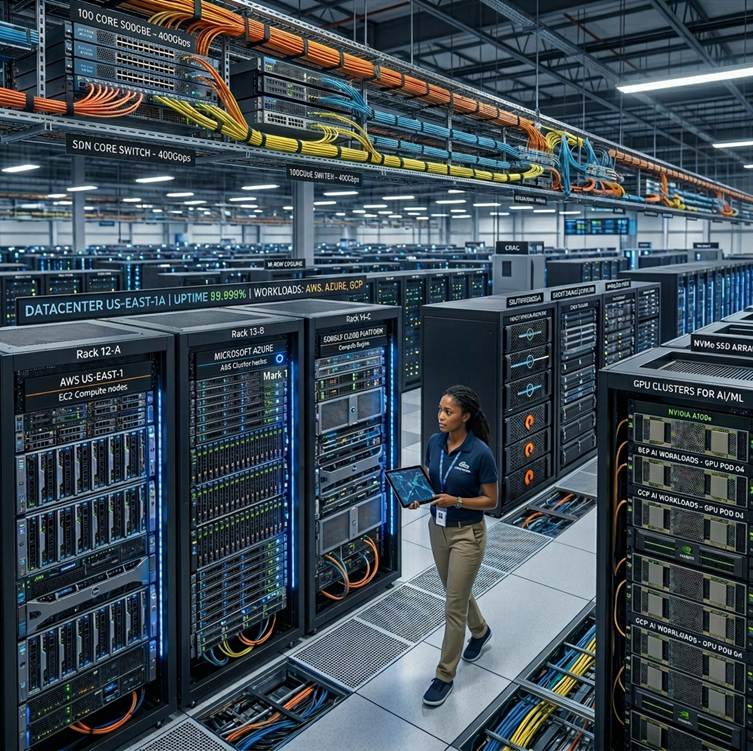
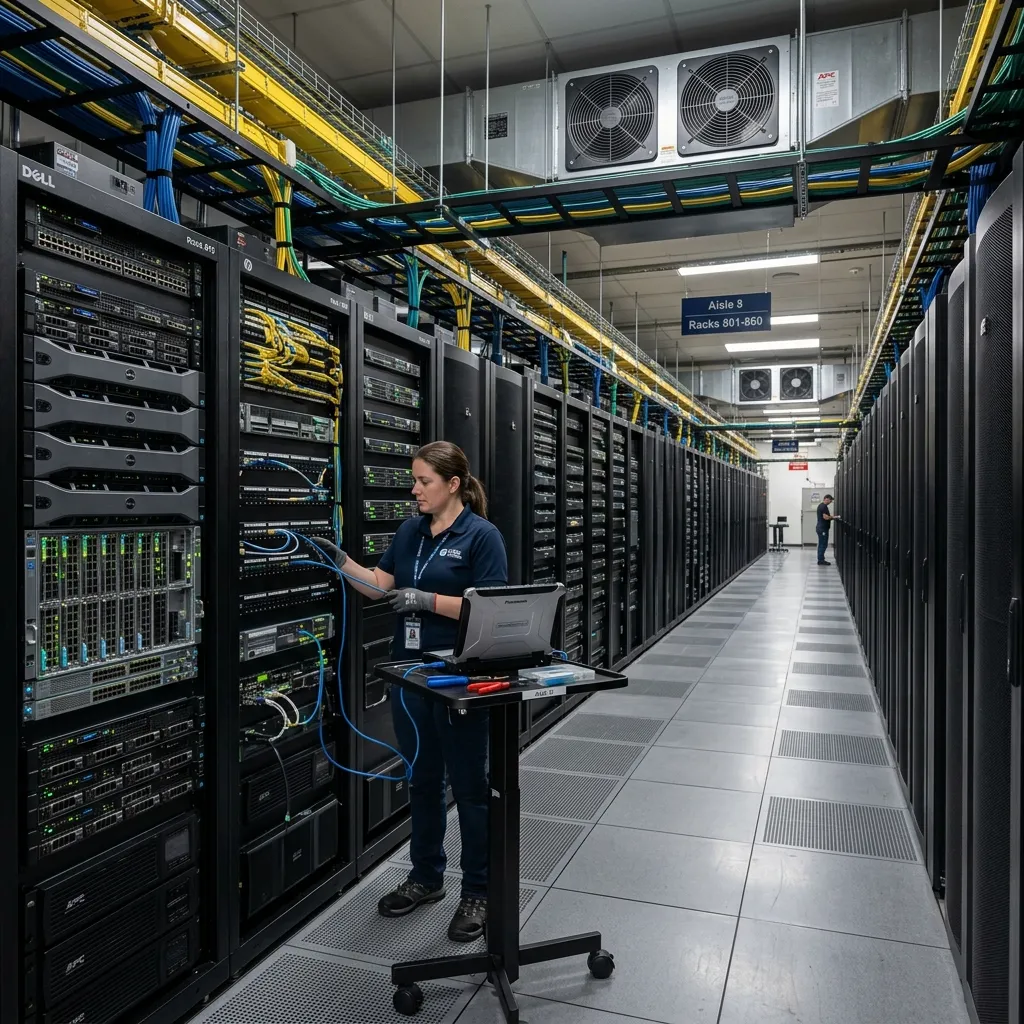

Sustainability has become a defining consideration in enterprise infrastructure strategy. As organizations expand cloud adoption and digital services, attention is increasingly turning toward the environmental impact of large-scale data centers and distributed computing systems. Sustainable cloud infrastructure is no longer a niche concern — it is emerging as a strategic priority aligned with corporate responsibility and long-term operational efficiency.
Modern cloud environments require vast computational resources. Data centers consume significant amounts of electricity to power servers, cooling systems, and networking equipment. As digital demand grows — fueled by AI workloads, streaming services, analytics platforms, and IoT ecosystems — energy consumption continues to rise.
In response, cloud providers are investing heavily in green data center initiatives. Companies such as Google and Microsoft have committed to renewable energy sourcing and carbon reduction strategies across global infrastructure operations. These efforts include using wind and solar energy, improving cooling efficiency, and optimizing hardware utilization.
Sustainable infrastructure strategies extend beyond energy sourcing. Efficiency improvements in hardware design reduce power consumption per compute unit. Advanced cooling technologies — including liquid cooling and AI-driven temperature optimization — minimize waste and enhance performance.
Enterprises selecting cloud providers increasingly evaluate sustainability credentials alongside cost and performance metrics. Environmental, Social, and Governance (ESG) reporting frameworks encourage organizations to account for carbon emissions associated with digital operations.
Key pillars of sustainable cloud infrastructure include:
- Renewable energy-powered data centers
- Energy-efficient server hardware
- Workload optimization and resource scaling
- Carbon footprint transparency
- Responsible hardware lifecycle management
Workload optimization plays a central role in sustainability. Auto-scaling systems ensure that computing resources expand during peak demand and contract during low usage periods, preventing unnecessary energy consumption.
Virtualization and containerization technologies also contribute to efficiency. By maximizing server utilization rates, organizations reduce the need for excess hardware.
Sustainability is closely linked to cost management. Energy-efficient infrastructure lowers operational expenses over time. Optimization strategies deliver both environmental and financial benefits.
Edge computing further influences sustainability discussions. While edge systems reduce data transmission and latency, they introduce additional distributed infrastructure. Designing energy-efficient edge devices becomes essential to balance performance with environmental responsibility.
Regulatory frameworks in various regions are introducing stricter energy standards for data centers. Enterprises operating globally must ensure compliance with evolving environmental policies.
Supply chain considerations also factor into sustainable infrastructure planning. Responsible sourcing of raw materials for hardware components and ethical recycling practices are becoming part of vendor evaluation processes.
Key challenges include:
- Balancing performance demands with energy efficiency
- Accurately measuring digital carbon footprints
- Managing hardware disposal responsibly
- Coordinating sustainability reporting across global operations
Cloud providers are offering tools that help enterprises measure the environmental impact of their workloads. Visibility into carbon usage supports informed decision-making and aligns IT operations with sustainability goals.
Industry analysts observe that sustainable infrastructure is evolving from a marketing initiative to a competitive differentiator. Customers and investors increasingly favor organizations demonstrating environmental responsibility.
As digital transformation accelerates, infrastructure growth must align with sustainability commitments. The long-term viability of digital ecosystems depends not only on performance and security but also on environmental stewardship.
Sustainable cloud infrastructure represents a convergence of innovation and responsibility. Enterprises that integrate green principles into infrastructure strategy strengthen brand reputation, reduce operational risk, and contribute to broader environmental objectives.
The evolution toward energy-efficient, carbon-conscious infrastructure signals a new chapter in cloud computing — one where digital progress and sustainability move forward together.