

Sustainable digital transformation is emerging as a defining theme in enterprise modernization strategies. As organizations accelerate cloud adoption, automation, and AI integration, they are simultaneously aligning transformation roadmaps with Environmental, Social, and Governance (ESG) priorities.
Digital transformation is no longer evaluated solely by operational efficiency or revenue growth. Increasingly, stakeholders expect measurable sustainability impact, transparent governance frameworks, and responsible technology deployment.
Enterprises are integrating ESG objectives directly into transformation initiatives, ensuring that modernization efforts contribute to long-term environmental and social goals.
Technology providers such as Microsoft and SAP are embedding sustainability analytics and carbon tracking tools within enterprise software platforms.
Core components of sustainable digital transformation include:
- Carbon footprint measurement and reporting
- Energy-efficient cloud infrastructure adoption
- Responsible AI governance frameworks
- Ethical supply chain monitoring
- ESG data transparency dashboards
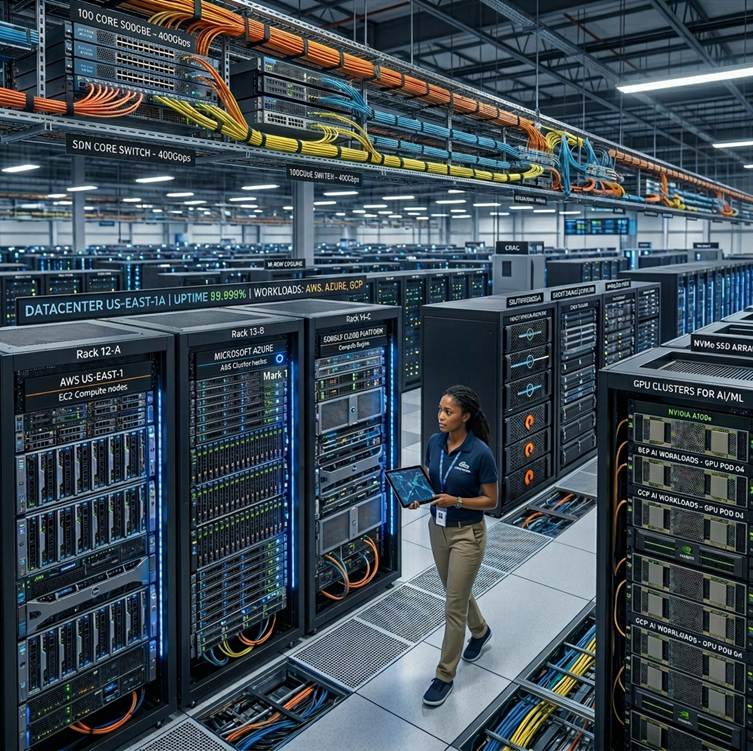
Cloud migration plays a central role in sustainability strategies. Modern cloud data centers are often more energy-efficient than legacy on-premise infrastructure.
Cloud providers such as Google Cloud publish renewable energy commitments and sustainability benchmarks, influencing enterprise cloud selection decisions.
Enterprises are also using digital tools to track Scope 1, Scope 2, and Scope 3 emissions across supply chains.
Advanced analytics platforms help organizations identify high-emission processes and optimize energy consumption.
AI-driven optimization supports sustainable logistics routing, predictive maintenance to reduce resource waste, and smart building energy management.
However, digital transformation itself consumes significant energy resources, particularly in AI model training and data center operations.
Balancing innovation with environmental responsibility requires deliberate infrastructure planning and carbon-conscious architecture design.
ESG integration also extends to governance practices.
Enterprises are implementing:
- Transparent data governance frameworks
- AI ethics review boards
- Supplier compliance monitoring
- Cybersecurity risk oversight
Responsible AI deployment has become a prominent focus. Organizations are evaluating model bias, explainability, and fairness before implementing AI-driven decision systems.
Digital transparency tools allow companies to publish ESG performance dashboards for investors and stakeholders.
Regulatory requirements are increasing pressure for standardized ESG reporting.
Digital transformation initiatives now incorporate compliance automation to streamline reporting obligations.
Workforce considerations are equally important. Sustainable transformation includes inclusive digital access, employee reskilling programs, and equitable technology deployment.
Investment analysis increasingly factors ESG maturity into long-term valuation.
Digital initiatives aligned with sustainability objectives often attract favorable investor attention.
Common challenges in sustainable transformation include:
- Accurate emissions measurement
- Data integration across global supply chains
- Balancing short-term costs with long-term ESG ROI
- Aligning executive incentives with sustainability targets
Leadership alignment remains critical. Sustainability must be embedded within corporate strategy rather than treated as an isolated initiative.
Digital tools enable measurable accountability, allowing enterprises to track environmental performance in real time.
Sustainable digital transformation reflects a broader shift: technology modernization must align with societal expectations and environmental stewardship.
Enterprises that integrate ESG metrics into transformation roadmaps strengthen resilience and brand trust.
As global markets increasingly prioritize sustainability, digital transformation strategies that ignore ESG integration risk long-term reputational and regulatory challenges.
In the next decade, sustainable digital transformation will likely become a baseline expectation rather than a competitive differentiator.
Organizations that successfully align innovation, efficiency, and environmental responsibility position themselves for durable growth in a digitally interconnected economy.