
Synthetic biology and advanced bioengineering are rapidly transitioning from experimental research domains into commercially viable deep tech sectors. By combining biology, engineering principles, and computational modeling, scientists are designing biological systems capable of producing materials, medicines, and fuels with enhanced efficiency and sustainability.
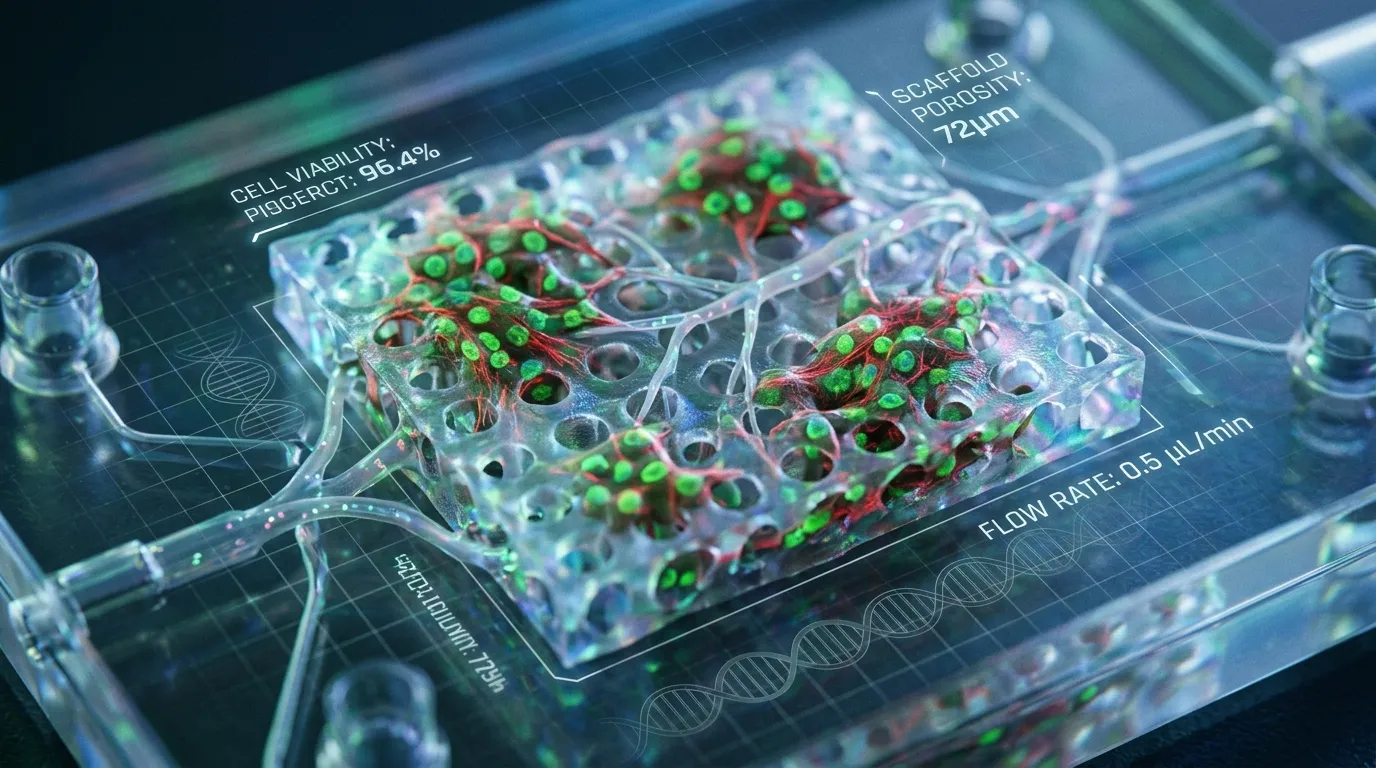
Unlike traditional biotechnology, which modifies existing biological processes incrementally, synthetic biology focuses on redesigning genetic structures and constructing new biological pathways. This approach enables programmable cells that perform specific industrial functions.
Companies such as Ginkgo Bioworks are developing bioengineered organisms capable of producing specialty chemicals, enzymes, and sustainable materials. Meanwhile, firms like Moderna have demonstrated the scalability of mRNA platforms, showcasing how programmable biological systems can be deployed rapidly in healthcare applications.
Key applications driving synthetic biology adoption include:
- Precision medicine and personalized therapeutics
- Sustainable biofuel production
- Biomanufacturing of specialty chemicals
- Agricultural crop enhancement
- Biodegradable material development
In healthcare, bioengineering enables targeted therapies designed at the molecular level. Gene-editing technologies and RNA-based treatments allow researchers to address previously untreatable diseases.
Industrial manufacturing is also evolving. Engineered microbes can produce complex compounds traditionally derived from petrochemical processes, reducing environmental impact.
Agriculture benefits from genetically optimized crops designed for improved yield, drought resistance, and pest resilience.
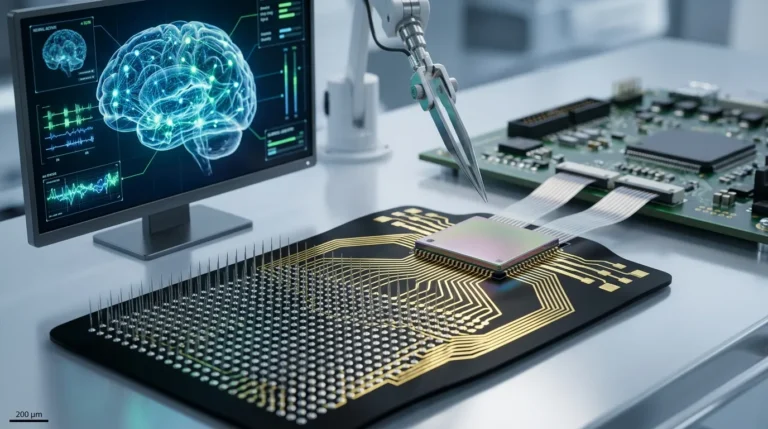
Artificial intelligence plays a central role in accelerating synthetic biology. Machine learning algorithms model protein structures and predict gene interactions, significantly reducing research timelines.
Despite rapid innovation, synthetic biology faces regulatory and ethical challenges.
Key considerations include:
- Biosecurity and containment safeguards
- Ethical oversight in gene editing
- Regulatory approval processes
- Public perception and trust
Regulatory agencies are developing updated frameworks to address emerging bioengineering capabilities.
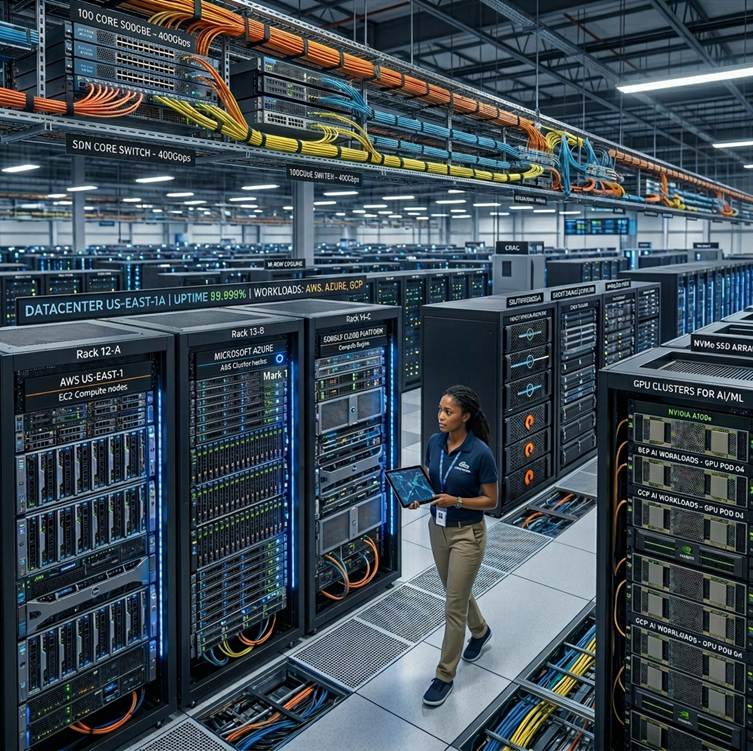
Scaling laboratory breakthroughs into industrial production environments also presents engineering challenges. Fermentation systems, quality control protocols, and supply chain management must be optimized for commercial deployment.
Investment in synthetic biology startups has grown substantially as venture capital firms recognize the long-term potential of programmable biology platforms.
Cross-disciplinary collaboration remains essential. Advances require expertise spanning molecular biology, computational science, and industrial engineering.
Governments are supporting research initiatives to strengthen national bioinnovation capacity, recognizing its importance in healthcare security and sustainable manufacturing.
Synthetic biology represents a defining deep tech domain — characterized by high scientific complexity, transformative potential, and long commercialization cycles.
As programmable biological systems become more refined, enterprises across pharmaceuticals, agriculture, and manufacturing are exploring strategic partnerships.
Bioengineering is not merely an extension of biotechnology — it is redefining how industries harness biological systems for scalable innovation.
In the coming decade, synthetic biology is expected to play a foundational role in sustainable materials development, medical breakthroughs, and environmentally responsible industrial processes.