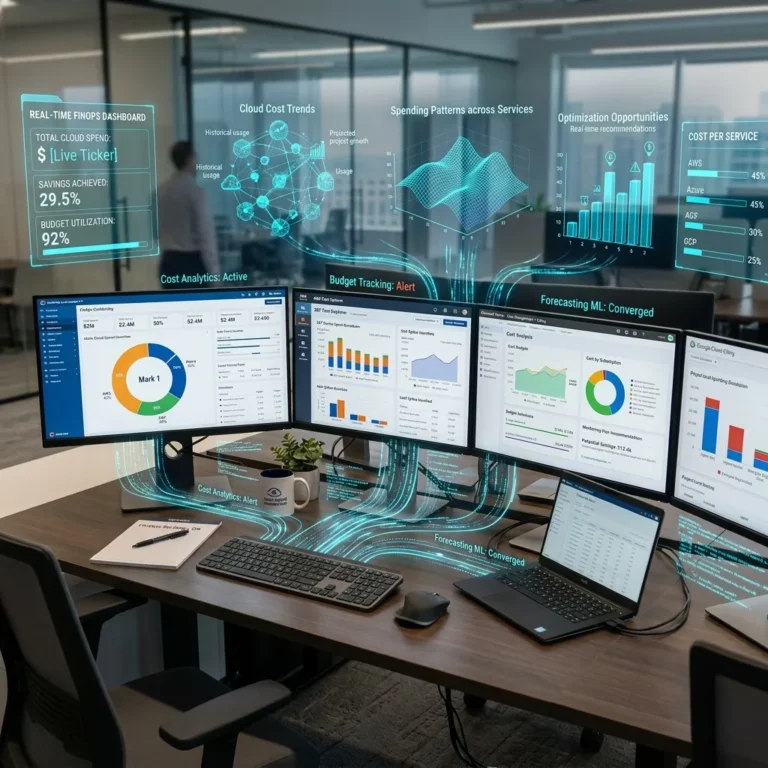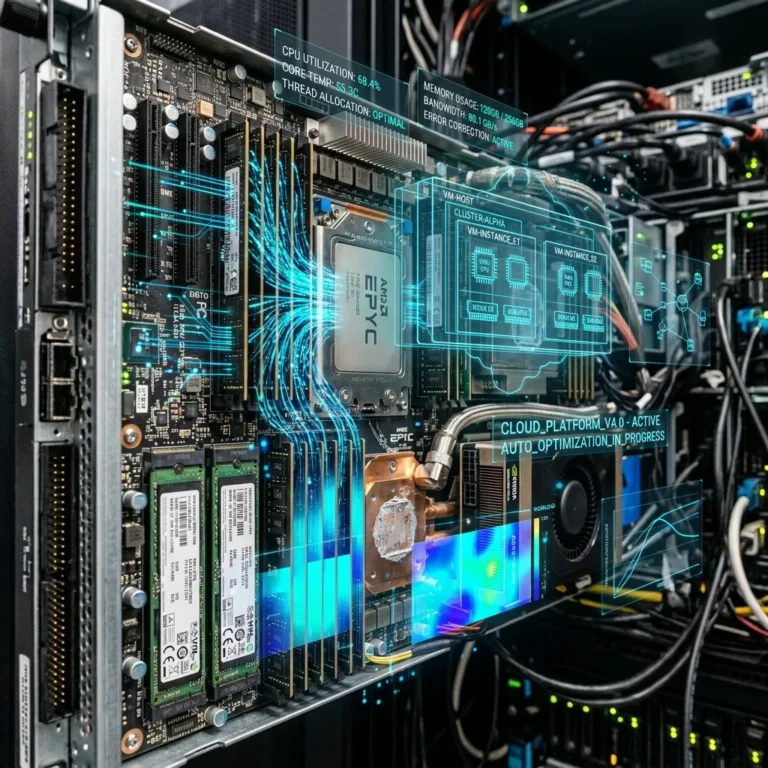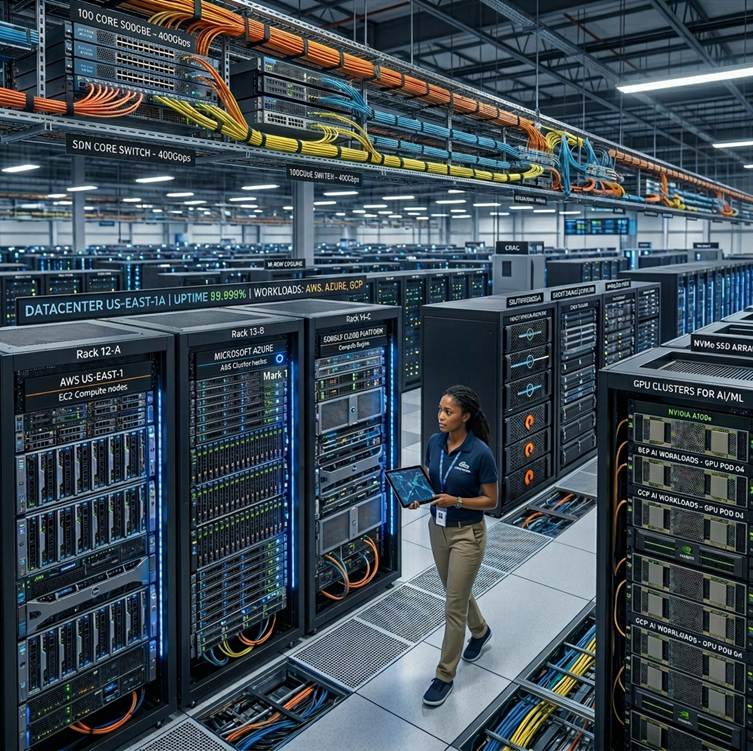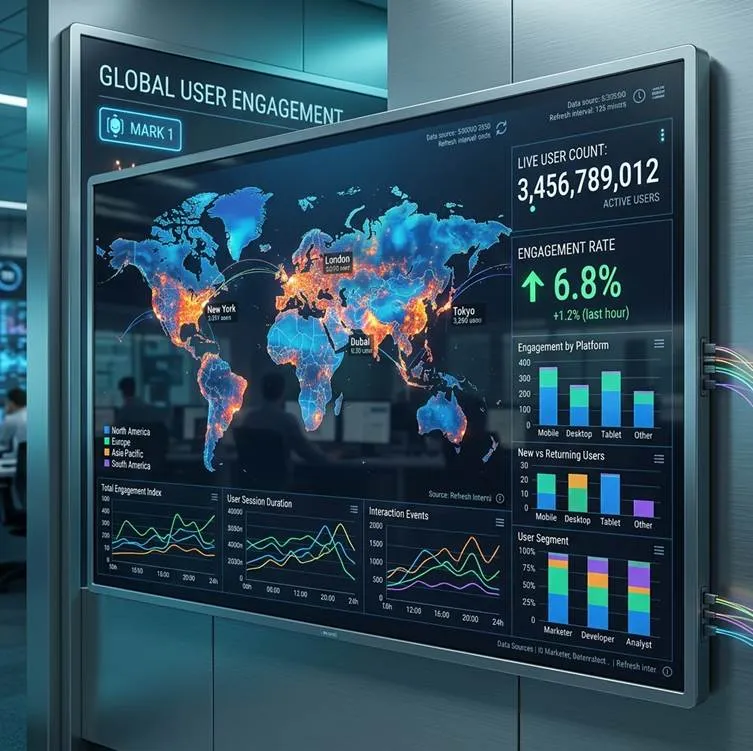
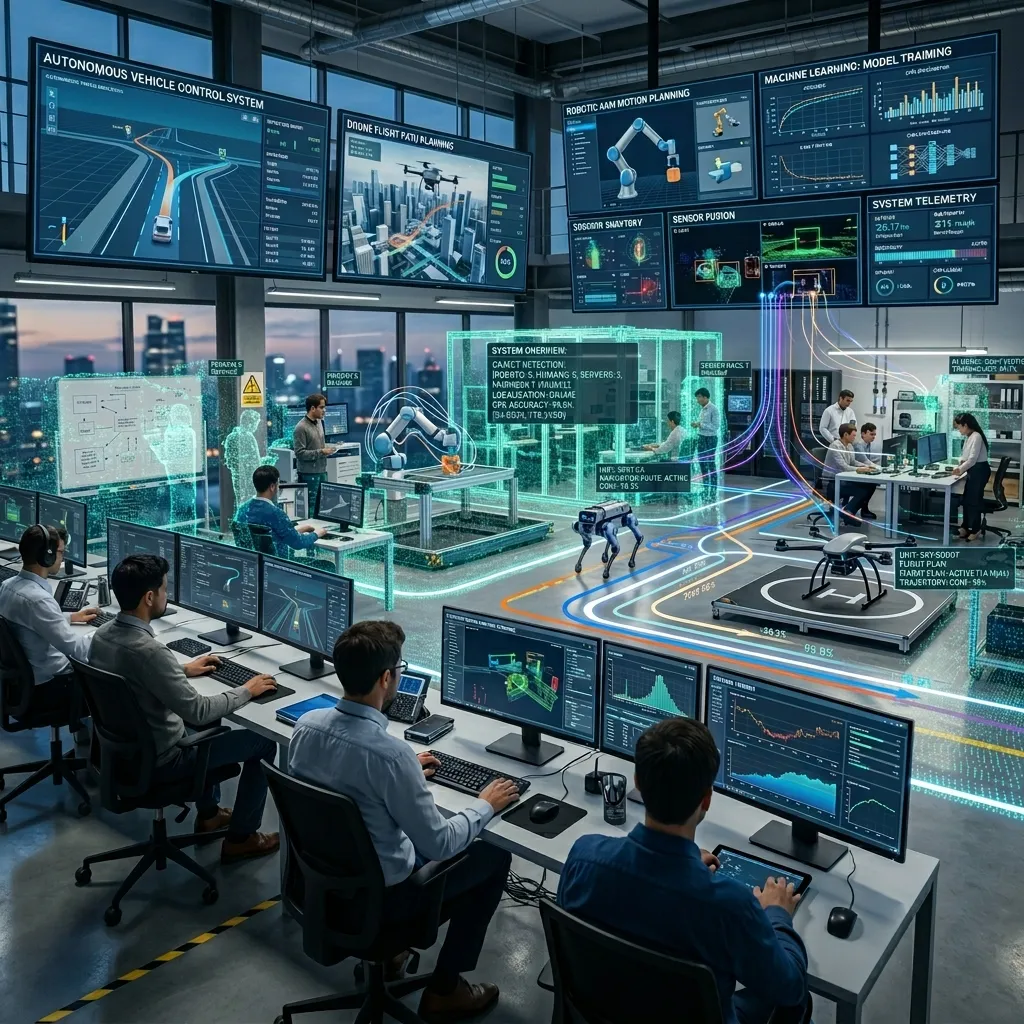

Cloud infrastructure has already transformed how organizations build and operate digital systems. What began as virtualized compute delivered over the internet has evolved into a complex ecosystem of managed services, container orchestration platforms, serverless environments, and global networking layers. Yet even with all this progress, cloud infrastructure continues to evolve.
The next phase of cloud is not simply about scale — it is about intelligence, automation, and autonomy.
Infrastructure is moving toward systems that optimize themselves, secure themselves, and heal themselves with minimal human intervention.
From Reactive Operations to Autonomous Systems
Historically, infrastructure management has been reactive. Engineers monitored systems, responded to alerts, scaled resources manually, and patched vulnerabilities as they appeared. Automation reduced manual effort, but humans still made most strategic decisions.
Today, cloud platforms increasingly embed intelligence directly into infrastructure.
Machine learning models analyze performance metrics and recommend scaling adjustments. Cost optimization tools suggest reserved capacity purchases. Security platforms detect anomalies using behavioral analysis rather than static rules.
The trajectory is clear: infrastructure is becoming predictive rather than reactive.
Providers such as Amazon Web Services, Microsoft Azure, and Google Cloud Platform continue investing heavily in AI-driven optimization services that analyze massive telemetry datasets to improve reliability and efficiency.
The future cloud will not simply host applications — it will actively manage and optimize them.
AI-Driven Performance Optimization
Artificial intelligence is already influencing cloud operations. Observability platforms collect enormous volumes of metrics, logs, and traces. AI systems analyze this data to detect subtle patterns that may precede failures.
Instead of waiting for CPU utilization to exceed a threshold, predictive systems can forecast resource exhaustion before it occurs. Instead of reacting to outages, automated systems can proactively reallocate resources.
This predictive scaling enhances both performance and cost efficiency.
AI-driven anomaly detection also strengthens security. Rather than relying solely on predefined rules, behavioral models identify deviations from normal usage patterns. This improves detection of sophisticated attacks.
Over time, AI will likely integrate directly into infrastructure orchestration layers, adjusting configurations dynamically without manual input.
Infrastructure as Code Evolves into Policy as Code
Infrastructure as Code has already transformed deployment processes. The next evolution is Policy as Code — embedding governance, compliance, and security policies directly into deployment workflows.
Rather than relying on manual review processes, automated systems enforce rules consistently. For example:
- Encryption requirements can be validated automatically.
- Public exposure of storage services can be blocked by default.
- Resource tagging policies can be enforced programmatically.
This approach reduces human error and ensures compliance across distributed environments.
Policy engines integrate with container orchestration systems such as Kubernetes, enabling automated governance at scale.
The future cloud environment will treat policy as a first-class citizen alongside infrastructure definitions.
Platform Engineering and Internal Developer Platforms
As cloud complexity increases, organizations are investing in platform engineering teams. These teams build internal developer platforms (IDPs) that abstract underlying infrastructure complexity.
Instead of interacting directly with raw cloud services, developers use standardized templates and self-service portals. These platforms enforce security, cost, and compliance policies automatically.
Platform engineering reduces cognitive load for developers while maintaining governance standards.
In the future, internal platforms may incorporate AI assistants that recommend optimal infrastructure configurations based on application requirements.
Infrastructure becomes a curated service rather than a raw resource.
Edge Computing and Distributed Architectures
The next wave of cloud evolution also includes edge computing. While traditional cloud data centers remain central, latency-sensitive workloads increasingly require compute resources closer to end users.
Edge computing distributes processing power geographically, reducing latency for applications such as IoT, real-time analytics, and augmented reality.
This distributed model introduces new architectural challenges. Managing consistency, security, and observability across centralized and edge environments requires sophisticated coordination.
Future cloud infrastructure will seamlessly integrate central and edge environments into unified control planes.
Sustainability and Energy Optimization
As global cloud usage expands, sustainability becomes a critical consideration. Data centers consume significant energy resources. Cloud providers are investing in renewable energy sources and energy-efficient hardware designs.
AI-driven optimization also contributes to sustainability by reducing resource waste. Efficient auto scaling minimizes idle compute consumption. Intelligent workload placement optimizes hardware utilization.
Future infrastructure decisions will increasingly consider environmental impact alongside cost and performance.
Sustainable cloud operations will become a competitive differentiator.
The Rise of Autonomous Infrastructure
The ultimate vision of cloud infrastructure evolution is autonomy. In an autonomous environment:
- Systems detect performance anomalies automatically.
- Resources scale dynamically without manual thresholds.
- Security threats trigger automated containment actions.
- Cost optimization recommendations execute automatically.
Human oversight remains essential, but day-to-day operational tasks diminish.
Autonomous infrastructure does not eliminate engineers — it elevates their role. Instead of maintaining servers, engineers design systems and policies that guide automated behavior.
This shift parallels trends in other industries, where automation enhances productivity rather than replacing expertise.
Emerging Characteristics of Future Cloud Infrastructure
- Predictive scaling driven by machine learning
- Automated compliance enforcement through policy-as-code
- Integrated AI-based threat detection
- Unified management across central and edge environments
- Sustainability-aware workload optimization
These characteristics define the next generation of cloud platforms.
Challenges in the Transition
Despite promising advancements, autonomous infrastructure introduces challenges. Over-reliance on automation can obscure system behavior. AI models require training data and oversight. Governance must ensure transparency in automated decision-making.
Organizations must balance automation with accountability.
Trust in autonomous systems grows gradually through rigorous testing, observability, and fallback mechanisms.
The Human Element in an Automated Future
Even as infrastructure becomes more intelligent, human expertise remains indispensable. Architects define system boundaries. Engineers design secure application logic. Governance teams establish compliance frameworks.
Automation enhances decision-making but does not replace strategic thinking.
The future cloud environment will be collaborative — human judgment augmented by machine intelligence.
Conclusion
Cloud infrastructure has evolved from simple virtualized compute to a sophisticated, distributed, and highly automated ecosystem. The next phase centers on intelligence, autonomy, and integration.
AI-driven optimization, policy-as-code governance, platform engineering, edge distribution, and sustainability initiatives collectively shape the future landscape.
Infrastructure is no longer static hardware hidden in data centers. It is a living, adaptive system that responds to changing demands in real time.
The organizations that thrive in this environment will be those that embrace automation thoughtfully, integrate intelligence responsibly, and maintain strong governance alongside innovation.