

Enterprise SaaS has already transformed how organizations deploy and manage software, but the next phase of evolution is even more profound. The future of SaaS is being shaped by artificial intelligence, automation, composable architecture, and platform ecosystems that extend far beyond standalone applications. As digital transformation accelerates globally, SaaS platforms are evolving from operational tools into intelligent business enablers.
One of the most significant forces shaping the future of SaaS is artificial intelligence.
AI is increasingly embedded directly into enterprise platforms rather than offered as separate analytics tools. Modern SaaS applications now include predictive insights, automated workflows, anomaly detection, and natural language interfaces. Instead of simply storing and processing data, platforms analyze patterns and recommend actions.
For example, CRM platforms such as Salesforce integrate AI-driven forecasting and customer behavior prediction directly into dashboards. These capabilities shift SaaS from reactive reporting systems to proactive decision-support environments.
Automation is another transformative trend. Enterprises seek efficiency, especially in repetitive administrative processes. SaaS platforms now integrate robotic process automation (RPA), workflow automation, and event-driven triggers. When systems communicate seamlessly through APIs, complex business processes can execute with minimal human intervention.
Automation reduces operational costs while increasing accuracy and speed. However, it also requires careful governance to ensure transparency and accountability in automated decision-making.
The rise of platform ecosystems further defines the future of enterprise SaaS. Rather than offering isolated tools, SaaS providers increasingly position themselves as central hubs around which third-party applications integrate. Open APIs, developer marketplaces, and partner ecosystems expand functionality beyond core features.
Companies like ServiceNow and Workday have built extensive ecosystems allowing customers to extend capabilities through integrations and custom modules. This platform-centric approach increases customer stickiness and long-term retention.
Composable enterprise architecture supports this trend. Instead of relying on monolithic systems, organizations assemble modular SaaS components tailored to specific needs. APIs act as connectors, enabling flexible, best-of-breed technology stacks.
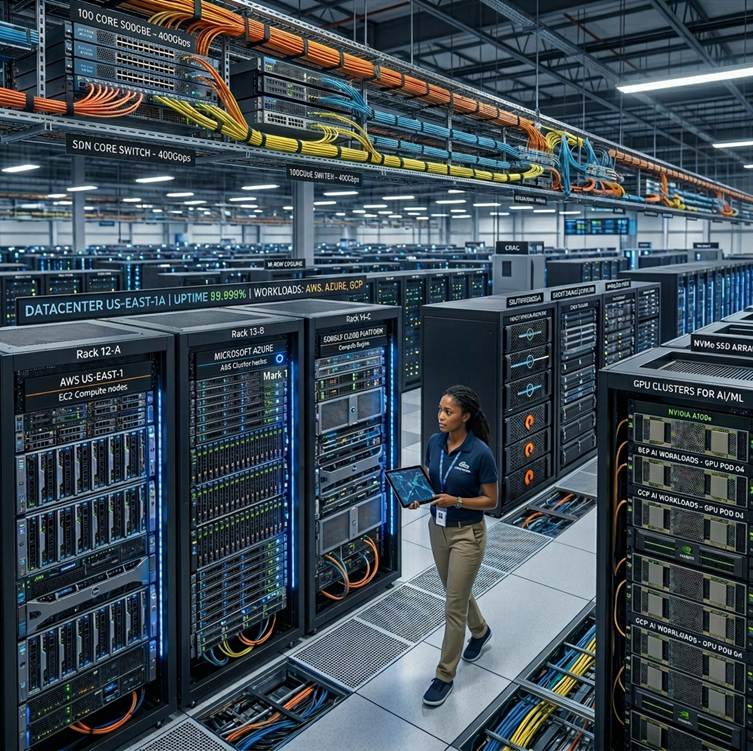
Cloud infrastructure remains foundational to future SaaS innovation. Providers such as Amazon Web Services and Microsoft Azure continue enhancing scalability, global reach, and advanced AI services. SaaS platforms leverage these capabilities to expand performance and reliability.
Data-driven personalization is also becoming standard. SaaS interfaces adapt dynamically based on user behavior and role. Personalized dashboards, contextual recommendations, and automated alerts enhance productivity.
Security will remain a defining priority. As SaaS adoption grows, threat actors increasingly target cloud-based platforms. Zero Trust principles, continuous authentication, and advanced encryption will shape security architecture.
Key trends shaping the future of enterprise SaaS include:
- AI-powered analytics and recommendations
- End-to-end workflow automation
- API-driven platform ecosystems
- Composable architecture
- Enhanced security frameworks
- Real-time data integration
The subscription economy itself continues evolving. Flexible consumption models, usage-based billing, and hybrid pricing strategies reflect shifting enterprise expectations. Customers increasingly demand value alignment — paying proportionally to outcomes achieved.
Low-code and no-code development platforms are also expanding SaaS accessibility. Business users can build workflows, dashboards, and integrations without deep technical expertise. This democratization of development accelerates innovation within organizations.
Sustainability considerations may also influence SaaS strategy. Energy-efficient cloud infrastructure and carbon-conscious data center operations align with corporate environmental commitments.
Another emerging dimension is generative AI integration. Language models and intelligent assistants embedded within SaaS platforms enable conversational interfaces for complex tasks. Users may query data, generate reports, or automate workflows using natural language prompts.
However, with increasing intelligence comes responsibility. Data privacy, bias mitigation, and ethical AI practices will shape regulatory frameworks and customer expectations. Transparent governance becomes essential.
The competitive landscape of enterprise SaaS will likely consolidate around platform leaders capable of offering integrated ecosystems. Smaller providers may differentiate through niche specialization or deep vertical expertise.
Ultimately, the future of enterprise SaaS is not just about delivering software through the cloud — it is about delivering intelligent, adaptive systems that enhance strategic decision-making.
SaaS platforms are becoming operating systems for digital enterprises. They centralize data, orchestrate workflows, and provide real-time insight across organizational functions.
As businesses continue navigating rapid technological change, enterprise SaaS will serve as both infrastructure and innovation engine.
The next generation of SaaS will not simply support business operations — it will help shape business strategy itself.