
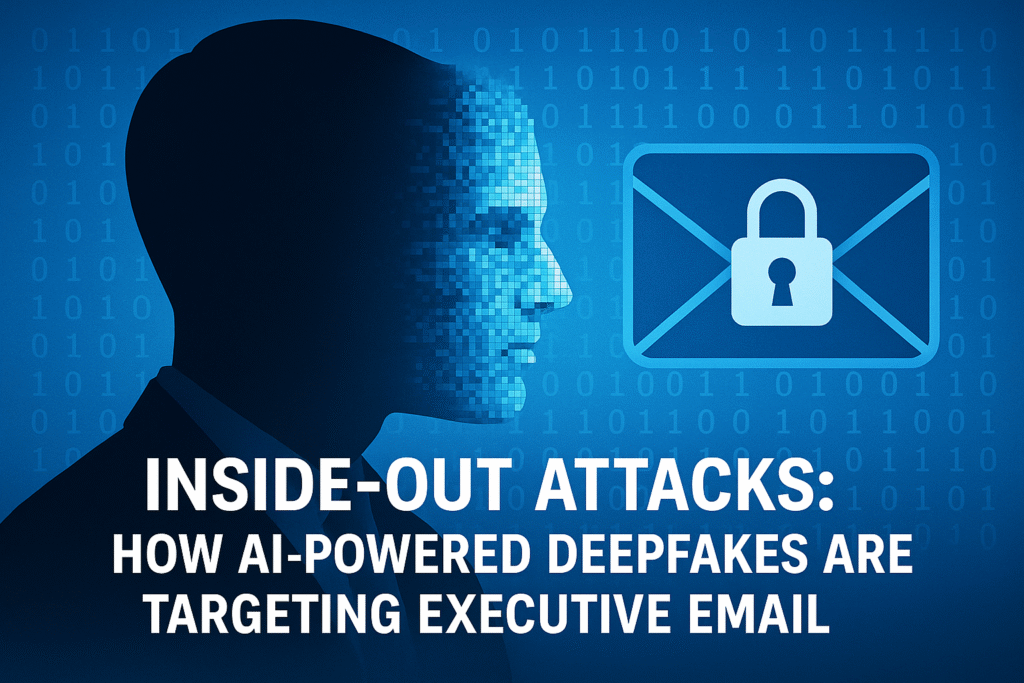
Introduction: The New Face of Cyber Deception
Artificial intelligence has brought many groundbreaking innovations to industries worldwide, but it has also opened the door to a dangerous new class of cyber threats — deepfakes. These AI-generated videos, images, and audio recordings are becoming so realistic that they are nearly impossible to detect with the naked eye. Originally a niche technology for creative purposes, deepfakes are now being weaponized by cybercriminals to conduct scams, disinformation campaigns, corporate sabotage, and even political manipulation.
In 2025, the deepfake threat is more sophisticated than ever, and its impact on business security, public trust, and personal reputations is escalating rapidly. Let’s explore how this technology works, why it’s so dangerous, and what organizations can do to protect themselves.
What Exactly Is a Deepfake?
The term “deepfake” comes from deep learning, the AI technique used to generate them, and “fake,” for obvious reasons. Using advanced neural networks — particularly Generative Adversarial Networks (GANs) — deepfakes can create incredibly convincing video or audio of a person saying or doing something they never actually did.
Some examples include:
- A CEO video call where the person on screen is actually an AI-generated impostor.
- Fake news footage showing political leaders making controversial statements.
- AI-generated audio messages imitating a familiar voice to request urgent financial transfers.
The key danger is believability — even trained professionals can be fooled, and detection tools are still playing catch-up.
Why Deepfakes Are a Major Cybersecurity Concern
While deepfakes started as a novelty in entertainment and social media, cybercriminals quickly realized their potential for:
- Corporate Fraud – In 2023, a British energy firm was tricked into wiring $243,000 after scammers used deepfake audio to impersonate its CEO.
- Business Email Compromise 2.0 – Instead of a suspicious email, an employee might receive a video conference invite “from the boss” with fake visuals and voice.
- Reputation Damage – Deepfake videos of executives engaging in unethical acts can tank stock prices overnight.
- Phishing on Steroids – When a fake video is attached to an email or shared internally, employees are far more likely to trust it.
- Political and Social Manipulation – During elections, deepfake content can sway public opinion before fact-checkers have time to respond.
The cost of deepfake-related cyberattacks is projected to exceed $25 billion globally by 2030 if trends continue unchecked.
Recent High-Profile Incidents
- February 2024 – A multinational bank’s Asian branch lost $35 million after a video call between “executives” turned out to be entirely deepfake-generated.
- August 2024 – A synthetic audio scam targeted a major law firm, requesting sensitive client data under the pretense of “urgent litigation needs.”
- Ongoing Political Operations – State-sponsored actors are using deepfake propaganda to spread misinformation during conflicts, making fact-checking harder than ever.
The Technology Behind the Threat
Deepfake generation tools are no longer exclusive to AI researchers. Open-source software, online marketplaces, and even subscription-based “deepfake-as-a-service” providers have made it possible for anyone — from hobbyists to hackers — to produce realistic fakes in hours, not weeks.
Key advancements fueling this rise:
- GANs (Generative Adversarial Networks) – Competing neural networks that refine each other’s output for hyper-realism.
- Voice Cloning – AI systems that can mimic a person’s voice from just a few seconds of audio.
- Real-Time Rendering – Tools that can alter faces and voices during live video calls.
Detection Challenges
Detecting deepfakes is a race against time. While companies like Microsoft and Intel have developed AI-powered detectors, these tools have limitations:
- They often lag behind new deepfake generation techniques.
- Detection success rates drop drastically in compressed videos (like those sent via messaging apps).
- Skilled attackers can manipulate lighting, background noise, and facial expressions to bypass automated detection.
How Businesses Can Defend Against Deepfake Threats
Defending against deepfake cyberattacks requires a multi-layered approach:
- Employee Awareness Training
- Teach staff about the existence and dangers of deepfakes.
- Conduct internal “deepfake drills” to test recognition skills.
- Teach staff about the existence and dangers of deepfakes.
- Multi-Channel Verification
- For sensitive requests (like fund transfers), require confirmation via multiple channels (email + phone + in-person verification).
- For sensitive requests (like fund transfers), require confirmation via multiple channels (email + phone + in-person verification).
- Leverage Deepfake Detection Tools
- Use AI-based video authentication software to verify real-time calls and shared media.
- Partner with vendors specializing in media forensics.
- Use AI-based video authentication software to verify real-time calls and shared media.
- Digital Watermarking
- Encourage the use of invisible watermarks in official videos to prove authenticity.
- Encourage the use of invisible watermarks in official videos to prove authenticity.
- Policy Development
- Create internal guidelines for handling suspicious media content.
- Create internal guidelines for handling suspicious media content.
- Cyber Insurance
- Invest in policies that specifically cover AI-driven fraud.
- Invest in policies that specifically cover AI-driven fraud.
Looking Ahead: The Arms Race Between Creators and Detectors
Deepfake technology isn’t going away — in fact, it’s expected to become even more realistic and harder to detect. Quantum computing could one day accelerate both creation and detection, intensifying the cat-and-mouse game between attackers and defenders.
The best strategy for businesses isn’t to hope for perfect detection but to build resilience:
- Foster a culture of skepticism toward unexpected digital communications.
- Implement robust verification protocols.
- Stay informed about emerging AI threats.