Physical Address
304 North Cardinal St.
Dorchester Center, MA 02124
Physical Address
304 North Cardinal St.
Dorchester Center, MA 02124

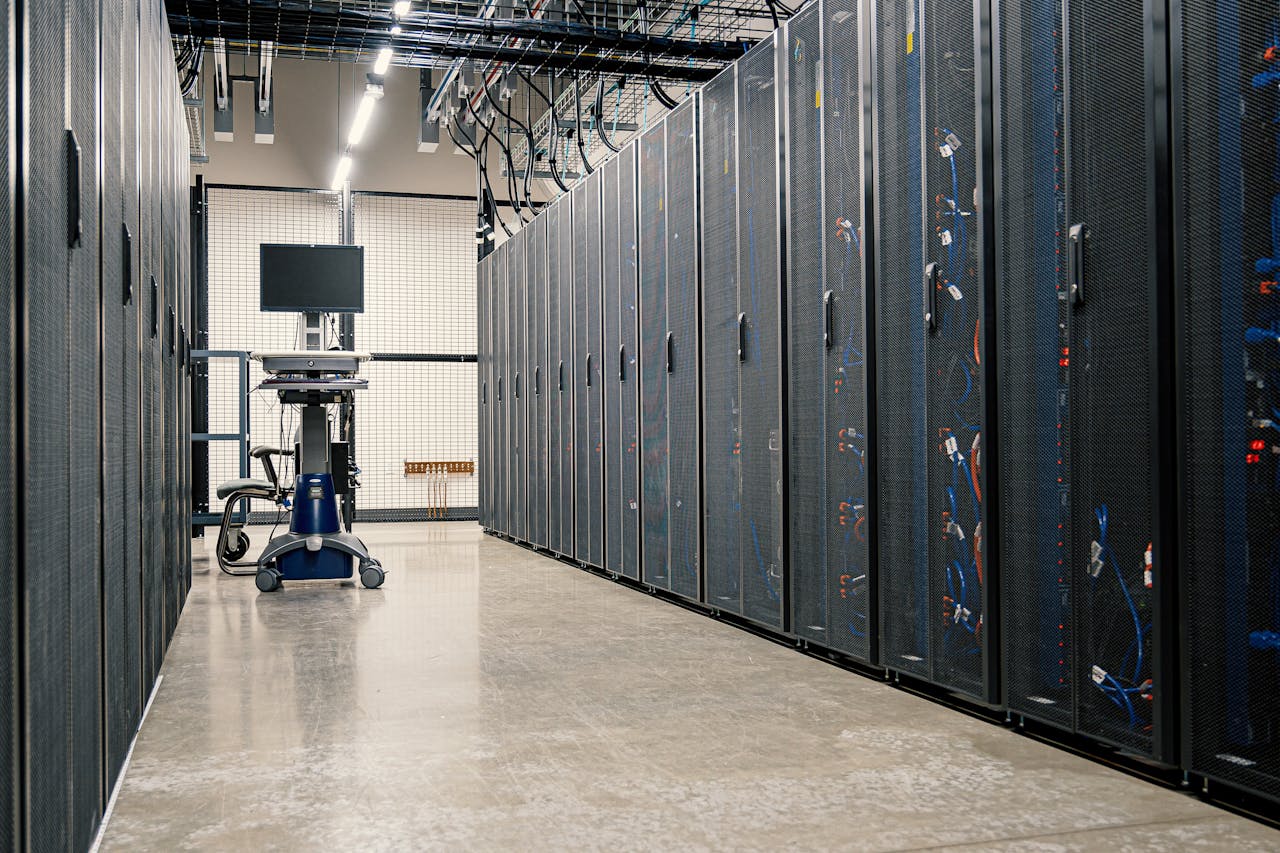
Enterprises across industries are accelerating investments in cloud and infrastructure modernization as digital transformation initiatives mature. Organizations are no longer viewing cloud adoption as a cost-saving measure alone; instead, they are positioning scalable infrastructure as a strategic foundation for innovation, resilience, and competitive growth.
The shift reflects a broader recognition that legacy IT environments cannot support modern business demands. Increasing reliance on data analytics, artificial intelligence, remote work, and global digital services has intensified the need for infrastructure that can scale dynamically while maintaining security and reliability.
Cloud platforms have become central to this transformation. Providers such as Amazon Web Services, Microsoft Azure, and Google Cloud continue expanding enterprise-grade services that support advanced analytics, container orchestration, and hybrid deployment models. These platforms offer elastic computing capacity, enabling organizations to adjust resources based on real-time demand.
Industry analysts note that hybrid and multi-cloud strategies are gaining traction. Rather than relying on a single cloud provider, enterprises are distributing workloads across multiple environments to enhance resilience and reduce vendor dependency. Hybrid architectures that integrate on-premisesystems with public cloud services are also widely adopted, particularly in regulated industries.
Infrastructure modernization extends beyond cloud migration. Organizations are increasingly adopting containerization and orchestration tools such as Kubernetes to improve deployment efficiency and scalability. Containers allow applications to run consistently across diverse environments, reducing compatibility issues and accelerating development cycles.
Security remains a top priority as infrastructure becomes more distributed. With applications and data spanning multiple cloud regions and endpoints, enterprises are implementing Zero Trust frameworks and advanced identity management systems to safeguard digital assets. Infrastructure teams are embedding security controls directly into architecture design rather than treating them as afterthoughts.
The growing demand for AI-ready infrastructure is also shaping investment priorities. Training and deploying machine learning models require high performance computing capabilities and specialized hardware such as GPUs. Cloud providers are expanding AI infrastructure offerings to meet enterprise demand for scalable model training environments.
Edge computing is emerging as another significant trend. As IoT devices and real-time analytics applications proliferate, processing data closer to the source reduces latency and enhances responsiveness. Edge infrastructure complements centralized cloud platforms, enabling distributed processing while maintaining centralized management.
Sustainability considerations are influencing infrastructure strategies as well. Enterprises are evaluating cloud providers based on energy efficiency, carbon reduction commitments, and sustainable data center operations. Infrastructure optimization not only reduces costs but also aligns with broader environmental objectives.
Despite strong momentum, challenges persist. Legacy system integration remains complex, particularly for organizations operating mission critical applications. Data migration, compliance requirements, and skill gaps can slow transformation initiatives. Many enterprises are investing in workforce development programs to build cloud and DevOps expertise internally.
Industry observers emphasize that infrastructure transformation is no longer optional. Competitive pressures and digital first customer expectations require agility that traditional IT models cannot provide. Organizations that modernize infrastructure gain faster time to market, improved reliability, and greater scalability.
Key trends shaping the cloud and infrastructure landscape include:
The broader technology ecosystem continues evolving rapidly. Infrastructure decisions now influence innovation capacity across departments, from product development to customer engagement.
Enterprises that treat cloud and infrastructure as strategic enablers rather than purely operational utilities are positioning themselves for sustained growth. Modern infrastructure supports experimentation, rapid deployment, and data driven insight, forming the backbone of digital competitiveness.
As organizations continue modernizing, cloud and infrastructure remain at the center of enterprise transformation agendas shaping how businesses operate, innovate, and scale in a digital first world.